"Cave Allegory: Unveiling Names & Categories in Plato's Masterpiece"
The Allegory of the Cave, famously Дelled by Plato, is a profound exploration of perception, reality, and human nature. It's an depths metaphor, packed with names and categories that play crucial roles in deciphering its philosophical message.
Let's delve into the core names and categories that populate this captivating allegory, beginning with the central characters: the prisoners and the philosopher.
Names and Characters in the Allegory
The cast in Plato's allegory is minimal yet potent. The main characters are the prisoners and the philosopher, each embodying distinct roles and perspectives.
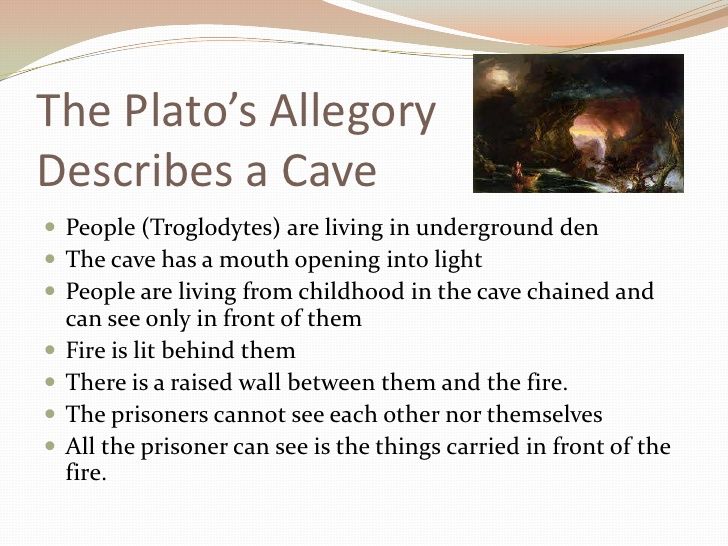


The Prisoners
The prisoners, chained since birth, represent the average human condition. They are symbolically bound by their preconceived notions and lack of exposure to the world beyond their immediate experience. Their names are not specified, as they collectively embody the human tendency to mistake shadows for reality.
The Philosopher
The philosopher, on the other hand, is a unique entity who dares to question the nature of reality. Unlike the prisoners, he's willing to venture into the unknown, priced by curiosity and driven by a desire to understand the true essence of things. Plato's use of the term 'philosopher' is expansive, encompassing anyone with an unquenchable thirst for knowledge and truth, regardless of their social status or academic qualifications.


Now, let's explore the categories Plato employs to illustrate the journey towards enlightenment.
Categories of Experience
The Allegory of the Cave traverses various categories of experience, each illustrating a different level of understanding and truth.
Shadows
Shadows in the cave represent our initial understanding of the world, shaped by our limited experiences and preconceived notions. They are the illusions we take for reality, much like the prisoners mistaking the shadows of objects for the objects themselves.


Reflected Images
Reflected images represent an improvement in understanding, where we begin to realize that our initial perceptions were merely shadows. The philosopher sees the reflected images of the sun, the fire, and other objects, understanding that these are representations, but still not the truth itself.
The Sun
The sun, in the allegory, symbolizes absolute truth, theForm or essence of the Good. It represents the ultimate reality towards which one should aspire. Catching a glimpse of the sun, the philosopher understands the true nature of the world and humankind's place in it.
Plato's allegory is not just a story about a cave and its inhabitants. It's a timeless exploration of how we gain, lose, and ultimately, understand wisdom. It calls upon us to question our perceptions, seek truth, and embrace the journey of a philosopher.


So, what's your cave? What are your shadows, reflections, and what's your sun? The power of Plato's allegory lies in its ability to inspire introspection and spark the urge to question. Embrace the uncertainty, seek the truth, and let your journey towards enlightenment begin.
Related Articles

Allegory of the Cave Quotes: Plato's Timeless Insights
The Allegory of the Cave, presented by Plato in his work "The Republic," is a profound exploration of reality, illusion, and perception. It's a cornerstone in...

"The Cave Drawing: Plato's Allegory of the Cave Unveiled"
The Allegory of the Cave, depicted on the walls of Plato's Academy in ancient Athens, is a renowned philosophical allegory drawn by the Greek philosopher...

The Allegory of the Cave: Plato's Timeless Visual Tale
The Allegory of the Cave, an iconic parable presented by ancient Greek philosopher Plato, has stood the test of time as a profound metaphor for the human...

Understanding Plato's Allegory of the Cave: A Simple Explanation
The Allegory of the Cave is one of Plato's most famous philosophical thoughts, often found in his work "The Republic". But diving straight into it can be like...

Crystal Cave Diggy: Unveiling Hidden Treasures
Nestled deep within the heart of Crystal Canyon, welcomes one of nature's most breathtaking architectural marvels: Crystal Cave Diggy. This stunning...

"Unveiling Marvels: The Best Discord Server Names"
Choosing the right name for your Discord server can be as challenging as it is exciting. The name you pick will not only represent your community but also...