Understanding Plato's Allegory of the Cave: A Simple Explanation
The Allegory of the Cave is one of Plato's most famous philosophical thoughts, often found in his work "The Republic". But diving straight into it can be like trying to understand a complex piece of art without knowing its brushstrokes. So, let's make Plato's abstract ideas a little more accessible, like unveiling a painting one layer at a time.
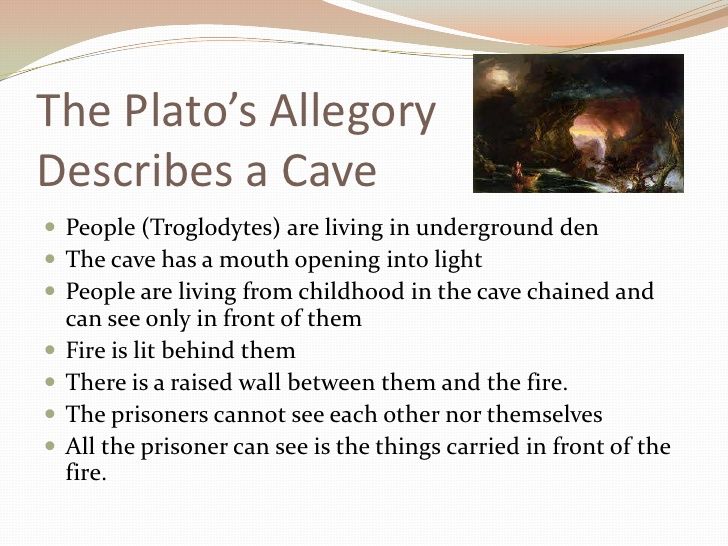
Imagine a group of people who've spent their entire lives sitting in a cave, facing a blank wall. They've never seen the outside world or themselves - just shadows cast on the wall by a fire behind them and objects passing by. This is Plato's allegory, and it's all about perception, reality, and the journey to enlightenment. Now, let's break down this fascinating thought experiment.
Understanding the Cave Dwellers
The cave dwellers know nothing beyond their shadowy world. They've created a language and a culture based entirely on these shadows. To them, these shadows are reality. This represents Plato's belief that many people mistake the world of senses for true reality.


The cave dwellers even have a system of awards and honors for those Shadows that cast the most distinct and flickering shapes, much like how in our society, we reward celebrities or influencers based on their perceived popularity or 'likes'. It's a commentary on how we often value things that are mere impressions, rather than true substance.
The Prisoners' Liberation
Now, one of the prisoners is freed from their chains. Initially, they're confused and uncomfortable, blinded by the light of the fire. This symbolizes the disturbance and stress that comes with leaving one's comfort zone and encountering the truth.


picture a baby bird leaving its shell for the first time. It's frightening, but it's a necessary step towards a greater understanding of the world and their place in it.
Ascending to the Sun
The freed prisoner keeps climbing out of the cave, towards the sun. Plato uses the sun here to represent reason, truth, and the Good (his ultimate philosophical idea). The more the prisoner ascends, the more they understand not just the sun, but also the objects that cast shadows - plants, animals, people, and lastly, the things themselves, and finally, ideas.
This journey symbolizes the path towards enlightenment. The more we understand the true nature of things, the better we can understand the world and our role in it. Plato believed that philosopher-kings - those who understand the Good - are necessary to lead society.


The Return to the Cave
The enlightened prisoner, now burst with knowledge and wisdom, decides to return to the cave to share their newfound understanding. This is Plato's idea of the philosopher's duty to give back to society.
But here's the catch: when they return, their eyes are now adjusted to the light of truth. So, they can barely see the shadows they once called reality. The other prisoners, still chained and looking at the shadows, see the returned prisoner as.blinded and foolish because they can't see the shadows as clearly as before.
Backlash Against the Enlightened
The cave dwellers mock and reject the returned prisoner because they challenge their perception of reality. They don't understand how the prisoner could have left their old ways and now speak of truth and reality. This reflects how societies often reject those who think freely or challenge the status quo.


However, Plato suggests that it's the duty of the enlightened to continue to point out the truth, despite the backlash. They must strive to free others, starting with the lucky few who can also handle the light - those who are open to new ideas and willing to question their current beliefs.
The Allegory of the Cave is a powerful reminder that our perceptions aren't always reality. It encourages us to question, explore, and seek truth. So, let's not stay chained in our caves, accepting shadows as our world. Let's strive to understand the sun - reason, truth, and the Good - and help others do the same. After all, as Plato once said, "The only true wisdom is knowing you know nothing."
Related Articles

Understanding Monopolies for Kids: A Simple Explanation
Imagine you're in a world where there's only one ice cream shop. It's the only place you can buy ice cream, and it sets the prices. This might seem like a...

Allegory of the Cave Quotes: Plato's Timeless Insights
The Allegory of the Cave, presented by Plato in his work "The Republic," is a profound exploration of reality, illusion, and perception. It's a cornerstone in...

"The Cave Drawing: Plato's Allegory of the Cave Unveiled"
The Allegory of the Cave, depicted on the walls of Plato's Academy in ancient Athens, is a renowned philosophical allegory drawn by the Greek philosopher...

Understanding Clauses: A Simple Explanation for Kids
Imagine you're writing a story or a letter. You've probably noticed that you don't just write one long paragraph from start to finish. Instead, you use little...
"Cave Allegory: Unveiling Names & Categories in Plato's Masterpiece"
The Allegory of the Cave, famously Дelled by Plato, is a profound exploration of perception, reality, and human nature. It's an depths metaphor, packed with...

Understanding "One Down, Five Up": A Simple Explanation
Ever heard the phrase "one down and five up"? It's a term often used in real estate to describe a unique and appealing property situation. But what exactly...