Maze Pages for Kindergarten: Fun Learning Activities
Crafting maze pages for kindergarten can be a delightful and educational task, combining fun design with learning opportunities. These pages not only stimulate a child's imagination but also assist in the development of crucial cognitive skills. Let's delve into the engaging world of maze pages tailored for young learners.
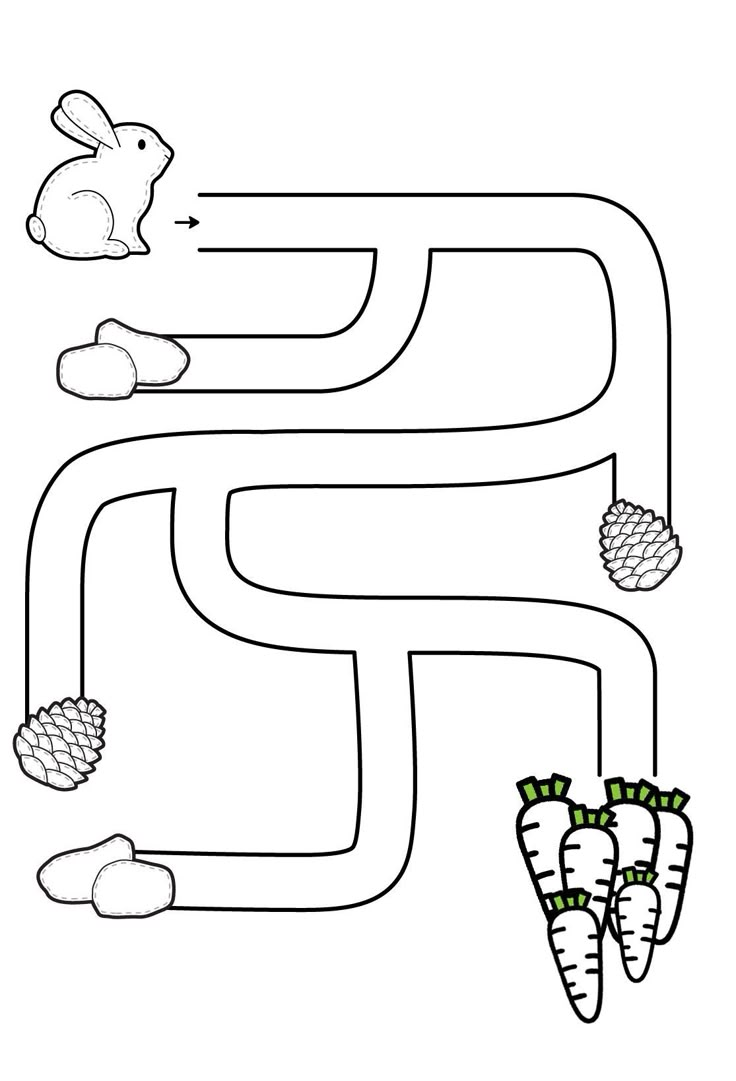
The concept of maze pages is simple yet powerful. It presents a path or series of paths from a starting point to a destination, which the child must navigate through by drawing, tracing, or connecting dots. This format encourages problem-solving, hand-eye coordination, and patience, all of which are vital for kindergarten-aged children.
Designing Engaging Maze Pages
Creating captivating maze pages involves a balance of complexity and simplicity. The paths should be challenging yet achievable, deterring frustration and fostering a sense of accomplishment upon completion.


Theme your maze pages to capture your child's interest. Animals, fairy tales, and everyday scenarios can create immersive mazes that spark curiosity and engagement.
Age-Appropriate Difficulty Levels
Kindergarten children's cognitive abilities and fine motor skills vary. Offering maze pages of different difficulty levels ensures each child finds a suitable challenge. Start with simple, wide paths and gradually introduce intersecting and looping routes as their skills develop.


Moreover, consider the size of the maze and the spacing between lines. Larger mazes and wider lines are more manageable for younger children, while smaller, more intricate mazes cater to those with stronger fine motor skills.
Variations to Keep it Fresh
Introduce variations to prevent boredom and encourage critical thinking. One-way mazes, where dead ends lead back to the start, promote perseverance. Multiple-route mazes, where different paths lead to the same destination, encourage exploration and strategic thinking.
també, consider introducing simple educational elements into your maze pages. Numbered or lettered sequences along the path can reinforce early learning concepts, while simple questions at key points can encourage reading and problem-solving skills.


Benefits of Maze Pages for Kindergarteners
Maze pages provide a plethora of benefits for kindergarten-aged children. They help improve visual perception, spatial awareness, and hand-eye coordination. The task of following the path trains the child's fine motor skills, contributing to better pencil grip and control.
Completing a maze fosters a sense of pride and accomplishment, boosting a child's self-esteem and confidence. The process also teaches important emotional regulation skills, such as managing frustration and patience when encountering challenges or dead ends.
Tips for Effective Use
When using maze pages, encourage children to work independently, fostering self-reliance. However, be available for guidance and offer praise for effort, not just completion. This encourages a growth mindset and resilience.



Use maze pages as a tool for differentiation. Observe each child's progress and provide harder or easier mazes as needed. This ensures each child works at their appropriate level, fostering engagement and success.
In conclusion, maze pages offer a wealth of benefits for kindergarten-aged children, from improving cognitive skills to boosting self-confidence. By incorporating them into early learning activities, we nurture growth and set a strong foundation for future academic success.
Related Articles
Maze Pages for Kindergarten Classroom Activities
Unlocking young minds through play and discovery is a cornerstone of early childhood education. One engaging and educational tool proving increasingly popular...

Halloween Math: Engaging Kindergarten Number Activities
Get ready to tapping into your little ones' creativity and fun this Halloween with engaging Halloween number activities for Kindergarten! These activities not...

Doraemon Coloring Pages: Fun & Educational Activities
Doraemon, the beloved cat robot from the future, has been entertaining children and adults alike for decades. One of the many ways fans express their love for...

Coloring Pages for Kids: Fun and Educational Art Activities
Coloring pages for kids have been a long-standing favorite in homes, classrooms, and playdates for generations. These simple yet engaging activities offer a...

Sequencing Activities for Toddlers: Fun and Easy Learning
Introducing your little one to the fascinating world of sequencing can be a rewarding and intellectually stimulating journey. Sequencing, a fundamental concept...

Kindergarten Game Background: Fun Learning Setup
Welcome to Kindergarten, a delightful and award-winning game developed by Mooon AG that has captivated millions of players worldwide with its unique blend of...