Maze Pages for Kindergarten Classroom Activities
Unlocking young minds through play and discovery is a cornerstone of early childhood education. One engaging and educational tool proving increasingly popular among kindergartens are maze pages. Not just a fun pastime, maze pages are a subtly effective way to enhance children's cognitive and motor skills. Let's delve into the world of maze pages and their benefits for kindergarteners.
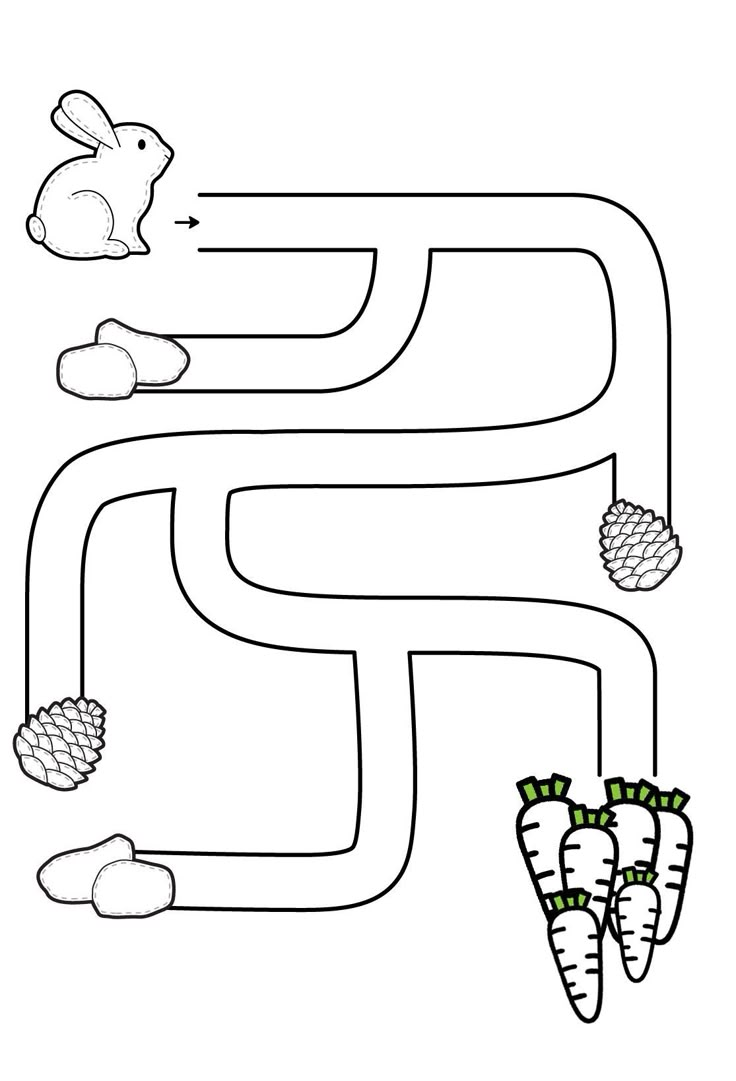
Maze pages, essentially single-sided puzzles, require children to trace a solution path from start to finish, often around intricate designs or through complex layouts. This seemingly simple activity is a treasure trove of learning opportunities for kindergarteners.
Cognitive Benefits of Maze Pages
The act of solving maze pages engages several cognitive functions in young children. It sharpen their problem-solving skills, boost hand-eye coordination, and foster spatial awareness.


Moreover, maze pages stimulate sequential thinking. Children learn to plan ahead and visualize multiple steps to achieve a single goal – a critical skill in developing their logical reasoning and decision-making abilities.
Improving Fine Motor Skills
Maze pages are a tactile learning experience. Holding a pencil, maintaining grasp, and guiding it along the maze paths improve fine motor skills necessary for writing and drawing. As children constrain their pencil movements to the maze's narrow paths, they learn to control their movements, building dexterity and precision.


This enhanced control over pencil movement translates into cleaner, more legible handwriting, contributing to improved academic performance in later years.
Boosting Language and Vocabulary
Maze pages can incorporate theme-based designs: cities, forests, or even alphabets. As children navigate these mazes, they engage with new vocabulary and reinforce language learning.
For instance, a city-themed maze could introduce children to various professions, denominalizables, and new vocabulary like 'highway', 'sidetrack', or 'emergency exit'. This holistic engagement of learning senses – visual, tactile, and auditory – leaves a lasting impact on their memory and language development.




Integrating Maze Pages into Kindergarten Curricula
Maze pages are incredibly versatile teaching aids, adaptable to various themes and educational goals. They can be used in creative ways to support other learning activities, como putting together a puzzle, following a recipe, or understanding a map.
While providing constructed mazes is a fun starting point, creating personal mazes using Ligneul or stick figures encourages children's creativity and self-expression. Schools can also make this collaborative, involving the children in creating maze challenges for each other, fostering a sense of community and collective learning.
Making Maze Pages Accessible for All
To accommodate diverse learning abilities, mazes can be differentiated by difficulty levels. Large, simple mazes are perfect for beginners, while complex, winding paths challenge more advanced solvers.


Additionally, using different colored mazes can cater to children with visual impairments, providing tactile cues and enhancing their independent learning experience.
In kindergartens across the globe, maze pages are transforming learning into play. They are neither too challenging nor too simple, offering just the right amount of stimulation to engage children's imagination, intellect, and physical development. Moreover, they provide a perfect outlet for kids to express themselves and learn at their own pace, making learning – quite literally – a walk in the park.
Related Articles
Maze Pages for Kindergarten: Fun Learning Activities
Crafting maze pages for kindergarten can be a delightful and educational task, combining fun design with learning opportunities. These pages not only stimulate...

Halloween Math: Engaging Kindergarten Number Activities
Get ready to tapping into your little ones' creativity and fun this Halloween with engaging Halloween number activities for Kindergarten! These activities not...

Doraemon Coloring Pages: Fun & Educational Activities
Doraemon, the beloved cat robot from the future, has been entertaining children and adults alike for decades. One of the many ways fans express their love for...

Coloring Pages for Kids: Fun and Educational Art Activities
Coloring pages for kids have been a long-standing favorite in homes, classrooms, and playdates for generations. These simple yet engaging activities offer a...

Kindergarten Pattern Coloring Pages
Kindergarten-aged children often love engaging in creative and educational activities. One such activity that's both fun and promotes learning is coloring. But...

Coloring Pages Cooking: Fun & Easy Food Art Activities
Embark on a delectable artistic journey with kids in the kitchen through the captivating world of coloring pages cooking! This interactive and fun approach to...