Image Tech: Revolutionizing Visuals
The intersection of image and technology is a vibrant and dynamic field, transforming various industries from art to science.Combining visual elements with advanced technology has led to innovations like artificial intelligence-driven image recognition and 3D imaging.
At the core of this synergy lies the evolution of image capture and processing. From the earliest cameras to the latest smartphones, our ability to record and manipulate visual data has expanded exponentially, paving the way for tech innovations.
Image Capture and Processing
Modern cameras and smartphones boast impressive megapixel counts and advanced sensors. These technologies capture high-resolution images, making professional-quality photography accessible to everyone.


Furthermore, AI algorithms enhance image quality. Noise reduction and shake correction can now be automatic, and even low-light images can maintain clarity and color accuracy.
Megapixels and Sensors
Megapixel count determines an image's resolution. Higher megapixels mean more details, but it's not the only factor in image quality. Sensor size and type also play significant roles.


Full-frame and APS-C sensors found in professional cameras capture more light and thus produce images with better dynamic range and lower noise. Meanwhile, smartphone sensors continuously improve, closing the gap with compact cameras.
AI-driven Image Enhancement
AI has revolutionized image processing. Algorithms can now automatically enhance images, adjust settings, and even retouch photos.
For instance, Google's Night Sight feature uses AI to brighten low-light images, while FaceID employs facial recognition to unlock phones. These innovations demonstrate how AI can significantly improve our interaction with images.


3D Imaging and Augmented Reality
3D imaging and augmented reality (AR) are among the most exciting applications of image and technology. They make it possible to create immersive digital experiences and enhance our understanding of the physical world.
Industries like healthcare, manufacturing, real estate, and entertainment are leveraging these technologies to change how they operate and interact with customers.
3D Modeling and Reconstruction
3D scanning and reconstruction techniques enable the creation of digital replicas of real-world objects and spaces. This data can then be used to visualize designs, simulate processes, or print 3D objects.


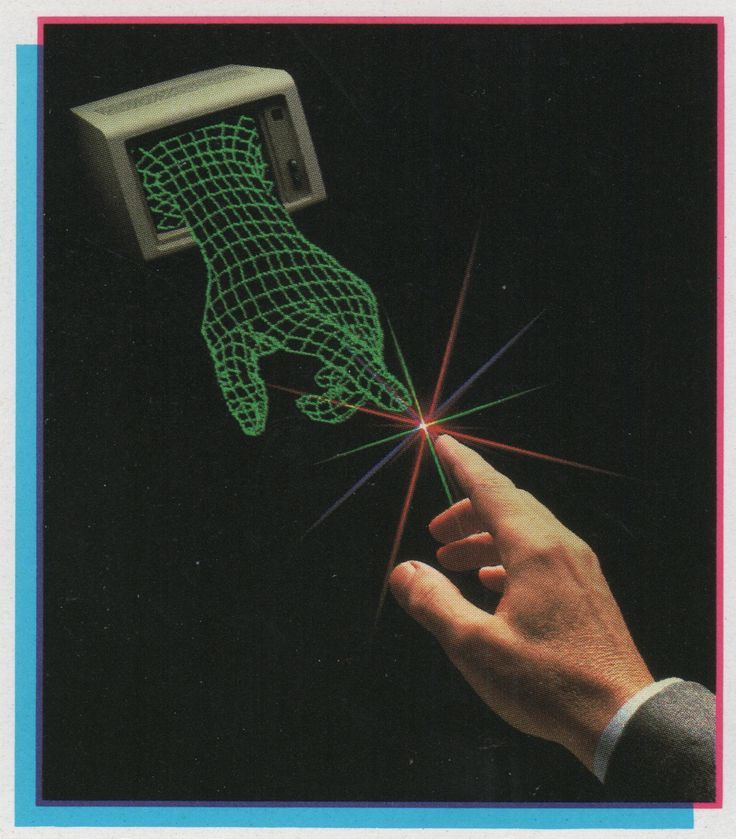


In archaeology, 3D imaging helps preserve and study ancient sites and artifacts. In construction, it aids in planning and visualizing projects. In medicine, it assists in surgeries and diagnostics.
Augmented Reality Experiences
AR overlays digital information onto the real world, enhancing our perception and understanding. Examples range from simple games like Pokémon GO to complex systems used by surgeons during operations.
Furniture shopping apps allow customers to visualize how items will look in their homes. Virtual fitting rooms let consumers try on clothes without leaving the house. These experiences rely on precise image recognition and tracking, ensuring the digital elements align with the physical environment.
As image and technology continue to evolve, so too will their applications. From advancements in image capture and processing to the rise of 3D imaging and AR, these innovations open up new possibilities for creativity, learning, and problem-solving.
Related Articles
Mastering Image et Technologie
The intersection of image and technology has always been a compelling and rapidly evolving field, far transcending the mere capture and display of photographs...

18x18 Image Size: Optimize Your Visuals
In today's digital landscape, images play a pivotal role in enhancing user experience and improving site performance. Yet, the age-old question remains: what...

Image Heaven NL: Your Paradise for Stunning Visuals
Discovering Image Heaven NL is like stumbling upon a creative sanctuary in the heart of the Netherlands. This innovative platform revolutionizes the way we...

Boost Your Web Visuals: Mastering Image Sharpening
In the fast-paced world of web design, image sharpening is a critical process that can significantly enhance the overall user experience. Sharp, crisp images...

Combine Flat Images: Merge & Blend Visuals for Impact
Combining flat images can be a powerful tool in your design arsenal, allowing you to tell compelling stories, create intricate patterns, and enhance website...

Timber Image Resize: Optimizing Wooden Visuals
In the dynamic world of web design and e-commerce, images play a critical role in attracting viewers and enhancing user experience. However, image size and...