Mastering Image et Technologie
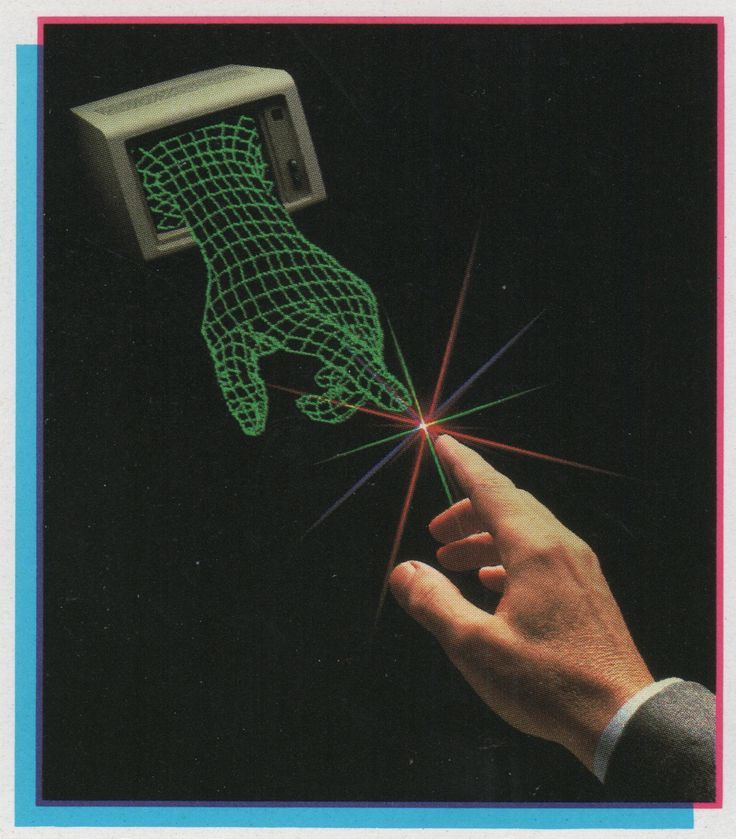
The intersection of image and technology has always been a compelling and rapidly evolving field, far transcending the mere capture and display of photographs. Today, it's a hub of innovation, where cutting-edge techniques transform the way we create, consume, and understand visual content.
From the advent of digital photography to the rise of artificial intelligence, this symbiosis has redefined our relationship with images. It has not only revolutionized traditional photography but also opened new frontiers, such as computer vision, augmented reality, and deep learning.
Camera Technology and Image Processing
The advancements in camera technology have been a major driver in the convergence of image and technology. Sensor sizes have increased, allowing for better image quality even in low light. Image processing algorithms have become more sophisticated, enabling features like high-dynamic-range imaging and advanced noise reduction.


The integration of AI and machine learning has further enhanced this process. Cameras can now automatically adjust settings based on the scene, recognizing subjects, facial expressions, colors, and lighting conditions. This level of automation was unheard of just a decade ago.
Mirrorless Cameras and AI Integration
Mirrorless cameras, devoid of the heavy mirrors found in DSLRs, have become popular among photographers. They offer faster auto-focus, better video capabilities, and lighter form factors. Their compatibility with interchangeable lenses and mounts, coupled with AI integration, allows for unparalleled customization and automation.


Manufacturers like Sony, Canon, and Nikon have been at the forefront of this innovation. Their latest models feature AI-driven features like real-time eye tracking, subject tracking, and incredibly intelligent exposure systems.
Image Processing and Post-Processing Software
The role of software in image technology is equally transformative. Adaptive algorithms in post-processing tools enhance image details, reduce artifacts, and fix distortion. Machine learning is also helping these tools "learn" from user edits, providing improved auto-enhancement tools and suggestions.
Apps like Adobe Photoshop and Lightroom, along with newer offerings from companies like Skylum (Luminar) and DxO, are continually incorporating AI and neural networks to streamline workflows and deliver more natural results.


Computer Vision and Augmented Reality
The broader application of computer vision is revolutionizing how we interact with and navigate the world around us. It's the enabling technology behind self-driving cars, facial recognition systems, and even your smartphone's ability to interpret street signs.
The convergence of computer vision and augmented reality brings images to life. AR enhances real-world environments by overlaying digital objects and information, creating immersive, interactive experiences. Tools like Snapchat's AR filters and Pokémon Go's game engine have popularized this technology.
AR in Marketing and Advertising
AR is disrupting marketing and advertising. Brands can provide immersive product experiences, give users personalized content, and create shareable moments. Ikea's AR-powered catalog app, for instance, allows users to visualize furniture in their space before purchasing.




Pokémon Go, developed by Niantic, illustrated AR's potential, attracting millions of users worldwide. It also demonstrated how AR can drive foot traffic and boost local economies, a key area of interest for businesses and city planners.
Deep Learning and Image Generation
Deep learning, a subset of machine learning, is propelling synthetic image generation and manipulation. Generative Adversarial Networks (GANs), for example, can create highly realistic, original images, challenging the concepts of authenticity and authorship.
These tools are transforming creative industries. Photorealistic artwork, lorded over by traditional artists, can now be generated by algorithms. They're also aiding scientific research, helping scientists visualize and explore complex data sets.
As we continue to harness the synergy between image and technology, the future promises ever more astonishing potential. From enhanced accessibility to unprecedented creativity, the evolution of image tech is poised to redefine our perception and interaction with the visual world.
Related Articles
Image Tech: Revolutionizing Visuals
The intersection of image and technology is a vibrant and dynamic field, transforming various industries from art to science.Combining visual elements with...

Mastering Gimp: Your Image, Print-Ready!
Are you ready to take your digital artwork to the physical world? Preparing an image for print involves specific considerations to ensure it looks its best on...

Conjure Magic: Mastering Konga Drums in Wizard101
In the vibrant world of online gaming, particularly in the educational MMO phenomenon, Conga Drums in Wizard101 has emerged as a captivating blend of musical...

Mastering TikTok Text: The Perfect Font Guide
Ever scrolled through your TikTok feed and wondered, "How do they get that text to look so cool?" The funky fonts and dynamic text effects you see on TikTok...

Optimize Patron Graphics: Perfect Image Sizes for Patreon
Choosing the right image size for your Patreon tier rewards or posts can significantly impact the user experience and the appeal of your content. A...

Perfect Travel: Mastering Place Card Settings
Embarking on a journey brings an unparalleled sense of excitement and anticipation. From planning your itinerary to packing your bags, every aspect seems...