Static Electricity Transparent GIF
GIFs, or Graphics Interchange Format, have long been a staple in digital communication, providing a dynamic and engaging way to convey messages or emotions. However, what many users might not be aware of is the unique interaction between GIFs and an often overlooked force of nature: static electricity. Let's dive into this fascinating intersection of digital arts and physical phenomena.
Before we explore the relationship between GIFs and static electricity, it's crucial to understand the transparency of GIFs. Unlike other image formats like JPEG or PNG, GIFs allow for up to 256 colors, including transparent ones. This transparency feature opens up a world of possibilities, including interesting interactions with environmental conditions like static electricity.
Understanding Transparency in GIFs
GIFs use a color palette to define their image data. When a color from this palette is designated as 'transparent,' it allows the background of the image to show through. This is particularly useful when using GIFs on websites or other digital platforms with non-solid backgrounds.


Transparent GIFs can create a seamless, integrated look, enhancing user experience and visual appeal. However, their transparency also makes them susceptible to interesting optical illusions when combined with external factors like static electricity.
Static Electricity and Transparent GIFs
Static electricity is a type of electrical charge that builds up on the surface of objects due to friction or induction. This charge can sometimes be visible, as it interacts with dust particles or other floating debris, creating a mesmerizing dancing effect. Now, imagine layering a transparent GIF over this natural spectacle.


Because GIFs are essentially layers of colored pixels, static electricity can interfere with their visual data. In some cases, the electrical discharge can cause the GIF to flicker, glitch, or display temporary changes in color or pattern. This unpredictable interaction is a unique example of digital imagery and physical processes coexisting in fascinating harmony.
The Science Behind the GIF-Glitch
The interference of static electricity with GIFs is a result of electrification. When objects come into contact and then separate, they can become charged. This charge can induce a flow of electrons in nearby conductive materials, such as the pixels in a digital display. If the voltage is high enough, it can temporarily alter the display's behavior, resulting in the glitching or flickering effect seen in GIFs.
This phenomenon highlights the fascinating intersection of physics and digital media. While it might not be a common occurrence (as most digital devices are designed to protect their delicate components from static interference), it serves as a reminder of the extraordinary world of interactions that exist just beyond our everyday perception.


Exploring the Aesthetics of Static-Glitched GIFs
While static-induced GIF interference might seem like a nuisance in most cases, some have embraced it as an artistic medium. Glitch art, a digital art genre focusing on visually appealing digital errors and anomalies, has emerged in response to such phenomena.
When static electricity causes GIFs to glitch, it creates unpredictable, often beautiful patterns and colors. Some artists deliberately expose their GIFs to electromagnetic fields or static charges to harness this phenomenon, turning these 'errors' into deliberate artistic expressions.
Glitch Art and the aesthetics of the Unexpected
Glitch art is an embodiment of the unexpected and the imperfect. It challenges traditional notions of 'perfect' digital art by celebrating the beauty in anomalies. By embracing static-induced GIF glitches, artists are pushing the boundaries of what's possible in digital art, inviting us to appreciate the extraordinary in the seemingly ordinary.


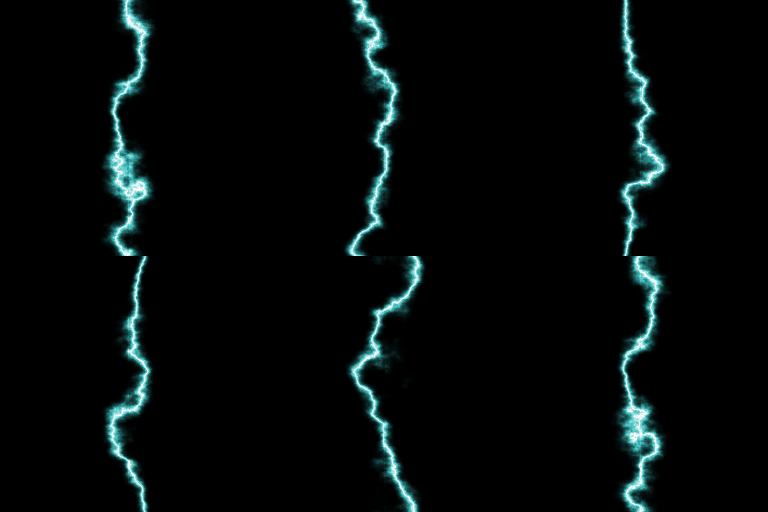


The emergence of glitch art as a recognized genre also highlights the incredible adaptability of GIFs. Initially developed for simple image transmission, GIFs nowspan a wide array of applications, from web design to digital art, demonstrating their enduring relevance in the digital age.
From a humble file format designed for efficient image transmission, GIFs have evolved into dynamic, versatile tools for communication, self-expression, and even artistic exploration. Their unique interaction with static electricity serves as a reminder of the boundless potential of digital media and the unexpected beauty that can arise from the interplay of technology and nature. So, the next time you see a GIF flickering under static electricity, pause and appreciate the tiny dance of physics and pixels before it settles back into its usual loop.
Related Articles
Static Electricity Transparent GIF Magic
Imagine you're watching a GIF, and suddenly, you notice something unusual. A spark, a zap, a breve flash of light - it's static electricity, materializing...

Red Electricity Transparent Background
Ever wondered how to achieve a professional, clean look for your designs? A transparent background for your electric red vector graphics might be just what you...

Green Electricity PNG Transparent Images
In the global push towards sustainable living, electricity generation has become a key focus area. Among the various renewable energy sources, green...

Make Static Electricity Last: Tips to Nail Your Science Project
Static electricity, a fascinating phenomenon that often leaves us bewildered with tiny sparks and shocks, can be harnessed and controlled to create captivating...

Gumball Static Electricity: Shockingly Fascinating Science!
If you've ever found yourself finding fault with a seemingly cursing gumball machine, you're not alone. The static shock you receive from turning the handle is...

Static Electricity Experiments for Kids: Fun & Safe Learning
static electricity is a fascinating phenomenon that we encounter in our daily lives, from the jolt we feel when touching a metal doorknob on a dry winter day...