Static Electricity Transparent GIF Magic
Imagine you're watching a GIF, and suddenly, you notice something unusual. A spark, a zap, a breve flash of light - it's static electricity, materializing right before your eyes, and it's transparent. Sounded like a plot from a sci-fi movie, right? Well, that's exactly what you've just experienced with transparent static electricity in GIFs. Let's dive into this strange yet fascinating phenomenon.
Static electricity is no stranger to us. It's that jolt you feel when you walk across a carpeted floor and touch a doorknob, or the shock you get when you remove a sweater. But in the digital world, particularly in GIFs, it manifests uniquely - silently, invisibly, until realized. Let's explore the whys and hows of this occurrence.
Understanding Transparent Static Electricity in GIFs
To grasp this phenomenon, we need to dive into the world of GIFs and their creation process, as well as the science behind static electricity. GIFs, or Graphics Interchange Format, are a type of image format that supports both static and animated images. They store images in a compressed format, enabling efficient transmission and display across the web.


Now, let's turn our attention to the science behind static electricity. In essence, it's an imbalance of electrical charges, which can occur when certain materials are rubbed together. This creates a buildup of charge, and a spark discharged when the charges become too great. But how does this translate to the digital realm?
Creation of GIFs and Charge Imbalance
GIFs are created by compressing multiple image frames into a single file. The creation process, especially when done rapidly and repeatedly (like in the case of GIF animation), can generate a charge imbalance. This happens because the electronic signals in the computer's hardware - from the mouse clicks to the software operations - cause a build-up of electrical charges.


Now, while these charges don't spark in our digital devices (thanks to safeguards like grounded cases and discharge mechanisms), they're there, invisible yet tangible. And when conditions are right, they can manifest in the most unusual ways - like causing a glitch in a GIF's transparency.
Glitches and their Role
Glitches, bugs, or anomalies - call them what you want, but these unintended consequences of digital processes can sometimes reveal unexpected truths. In the case of transparent static electricity in GIFs, these glitches act as windows into the invisible world of electrical charges.
Under certain conditions - like a specific combination of animation speed, color, and transparency - these charges can cause a glitch in the matrix. The GIF's transparency can suddenly become charged with static electricity, creating a temporary, decoding error that materializes as a spark or flash of light. It's like seeing the ghost of a pixel, a faint echo of the electrical processes that brought the GIF to life.


Mitigating and Embracing the Phenomenon
While this phenomenon can be fascinating from a scientific perspective, it might not always be welcomed, especially in professional settings. So, how can we mitigate it? The answer lies in understanding the conditions that trigger it.
As mentioned, the combination of rapid animation, specific colors, and transparency seems to be the spark (or_static) that lights up the static electricity. By adjusting these factors - reducing animation speed, avoiding certain colors, or reducing transparency - we can minimize the occurrence of transparent static electricity.
Embracing the Glitch
Glitch art, a style of digital art created by manipulating and embracing digital errors and artifacts, has been rising in popularity. In this context, transparent static electricity in GIFs can be seen as a forms of digital glitch art. Embracing this phenomenon, rather than seeking to fix it, can lead to unique, engaging, and unexpected aesthetic results.


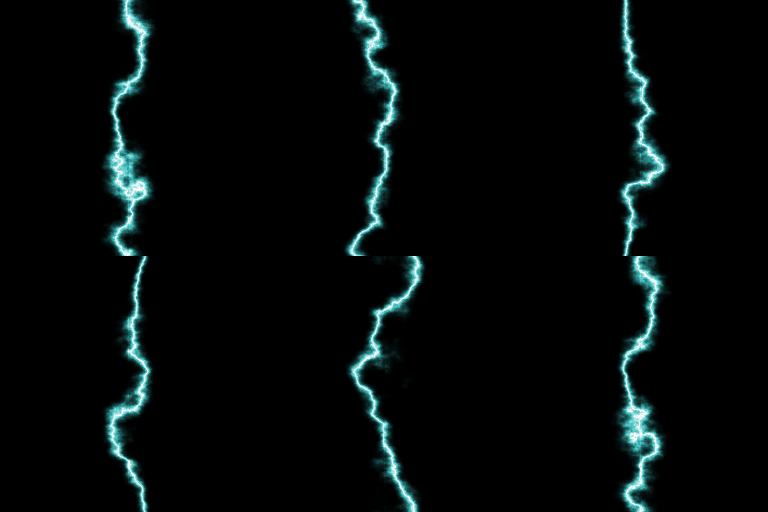


Moreover, it opens a door to explore the often invisible, yet powerful, electrical processes that underpin our digital lives. So, the next time you see a spark in a GIF, remember, it's not just a glitch, it's a glimpse into the usually unseen, underlying digital world.
Now that we've delved into the curious and unexpected phenomenon of transparent static electricity in GIFs, it's evident that the digital world is a rich source of discovery and exploration. Intrigued by this, you might want to explore more about glitch art, or even try creating GIFs to see the spark for yourself. Who knows? You might just capture that elusive, ephemeral spark, and create a digital masterpiece in the process.
Related Articles
Static Electricity Transparent GIF
GIFs, or Graphics Interchange Format, have long been a staple in digital communication, providing a dynamic and engaging way to convey messages or emotions...

Cheshire Cat Transparent: See Through Magic
The Cheshire Cat, often characterized by its enigmatic grin, is a fascinating phenomenon in the world of cryptocurrency. But what about the Cheshire Cat...

Transparent Christmas Lights Border: See-Through Magic for Your Holidays
Imagine transforming your living space into a winter wonderland with the touch of a button. Transparent background Christmas lights borders have emerged as a...

Magic Effects PNG Transparent Download
Discovering the world of magic effects can be an enthralling journey, especially when delving into the digital realm of PNG files. Magic effects PNGs offer a...

Magic Effect PNG Transparent Download
Discover the captivating world of magic effect PNG, where images come to life with a touch of digital magic. This format has revolutionized graphic design...

Transparent Pastel Poke Dot Magic: Unleash Your Collection
In the vibrant realm of design trends, one pattern has been making waves with its charming combination of soft hues and playful graphics: pastel polka dots in...