Skeleton Dance: Animate Your Own Human Skeletal System
Have you ever wondered how educators and scientists manage to captivate students and audiences when explaining complex biological structures, such as the human skeleton? The answer often lies in interactive models and animations, like the esqueleto humano animado, which brings dry bones to life, making learning more engaging and comprehensible.
An esqueleto humano animado, Spanish for an animated human skeleton, serves as a powerful teaching aid and learning tool. It offers an intuitive, interactive, and sometimes even gamified approach to understanding human anatomy. Let's dive into the fascinating world of animated skeletons and explore their impact on education and science.
Understanding Human Anatomy Through Animations
The human skeleton plays a critical role in our body's structure and functionality. Yet, visualizing its intricate composition and understanding bone interactions can be challenging. This is where esqueleto humano animado models excel, providing an interactive learning experience by animating bone movement and illustrating their roles within the body.


These interactive tools have transformed traditional learning methods, making concepts such as joint rotations, bone growth, and skeletal development more accessible and relatable. They cater to a wider range of learning styles, empowering students to grasp complex anatomical concepts more effectively.
Limb Movements and Joint Actions
One of the primary benefits of using an esqueleto humano animado is the insights it provides into limb movements and joint actions. Through animated sequences, students can observe the interplay between different bones and joints, enhancing their understanding of how our bodies move and function. For instance, animating the shoulder joint helps learners understand the range of motion and mobility it offers, revolutionizing their comprehension of the human kinetic chain.


These models also enable users to explore specific movements, such asifestyle, like swimming or playing a musical instrument, in a way that's otherwise impossible with static illustrations. This helps learners appreciate the intricate dance of bone, muscle, and tendons that occurs during even the most basic human actions.
Bone Growth and Development
Esqueleto humano animado models aren't solely concerned with adult human anatomy. They also serve as valuable tools for understanding bone growth and development throughout our lives. By animating the process, these models illustrate how bones grow, fuse, and change shape from infancy through old age. This helps learners grasp the complex journey of the skeleton, from the formation of tiny, soft bones in utero to the robust, mineralized framework that supports the adult body.
Moreover, these animations can showcase the significant differences in bone structure across various life stages and between different species. This contributes to a more comprehensive understanding of human biology within the broader context of evolution and comparative anatomy.


Interactivity and Gamification in Learning
Interactivity lies at the heart of the esqueleto humano animado experience. By allowing users to manipulate and control the animations, these models foster active learning, encouraging students to engage directly with the material and draw their own conclusions. This hands-on approach has been shown to enhance long-term retention of knowledge and foster critical-thinking skills.
Furthermore, many educational platforms have begun integrating gamification elements into their animated skeleton tools. Quizzes, puzzles, and immersive simulations encourage students to explore skeletal structures while having fun, transforming the learning process into an engaging and motivating adventure.
The Role of Technology in Education
The rise of interactive 3D models and animations, including the esqueleto humano animado, reflects a broader shift in educational practices. As technology advances, so too do the tools available to teachers and learners. By harnessing the power of immersive, interactive, and gamified learning experiences, these tools cater to an increasingly diverse and digitally native student population.


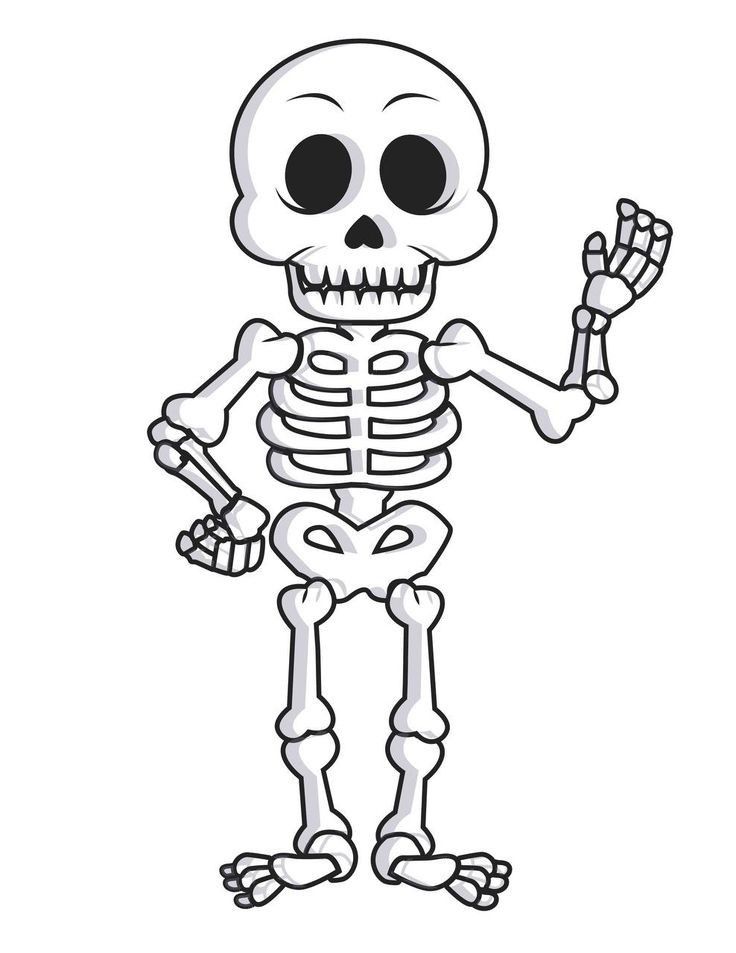


Moreover, by breaking down complex concepts into digestible, visually stunning animations, these tools democratize knowledge, making it more accessible to students of all backgrounds and learning abilities. Whether learning in a classroom, lab, or at home, students can now engage with intricate anatomical concepts in meaningful and enjoyable ways.
The Future of Animated Skeleton Models
As virtual reality (VR) and augmented reality (AR) technologies continue to evolve, we can expect to see even more innovative uses for animated skeleton models. With VR, students could explore the human skeleton in an immersive, 3D environment, allowing them to manipulate and observe bones and movements in ways never before possible. AR could provide layers of contextual information,Instantaneously connecting the learner's real-life surroundings to relevant anatomical concepts.
While the future of learning is dynamic and unpredictable, one thing seems clear: animated models, such as the esqueleto humano animado, will continue to play an essential role in shaping educational practices and transforming the way we teach and learn about human anatomy.
By embracing these interactive tools, we unlock new worlds of knowledge and unparalleled insights into the human body. Ultimately, the possibilities for learning and discovery are limited only by our imagination. So let's continue to explore, experiment, and innovate, forging a bright future for interactive education and scientific exploration.
Related Articles
Animado Esqueleto Humano
Have you ever encountered peculiar art installations, characters in video games, or illustration oddities that feature a seemingly lifeless, yet animated...

Skeletal System Clipart for your Design Needs
Welcome to our comprehensive guide on skeletal system clipart, a vital resource for educators, designers, and anyone in need of visual aids to explain or...

Skeleton Arm Cartoon: Animate Your Bones
Skeleton arm cartoons, often featuring in animated content for kids, have become an iconic symbol in the realm of children's entertainment. These animated...

Human Body PNG: High-Quality Images for Your Projects
In the vast realm of digital graphics, there's a unique space occupied by/png files, and one of the most captivating subjects within this space is the human...

"Understanding Your Bones: A Crafty Guide to Skeletal System Joints"
The skeletal system, a masterpiece of design and engineering, is responsible for providing structural support, protection for internal organs, and facilitating...

Dance Mom Clipart: Animate Your Projects
Ever found yourself in need of high-quality dance-themed graphics for your business or personal project? Look no further than dance mom clipart, an extensive...