Animado Esqueleto Humano
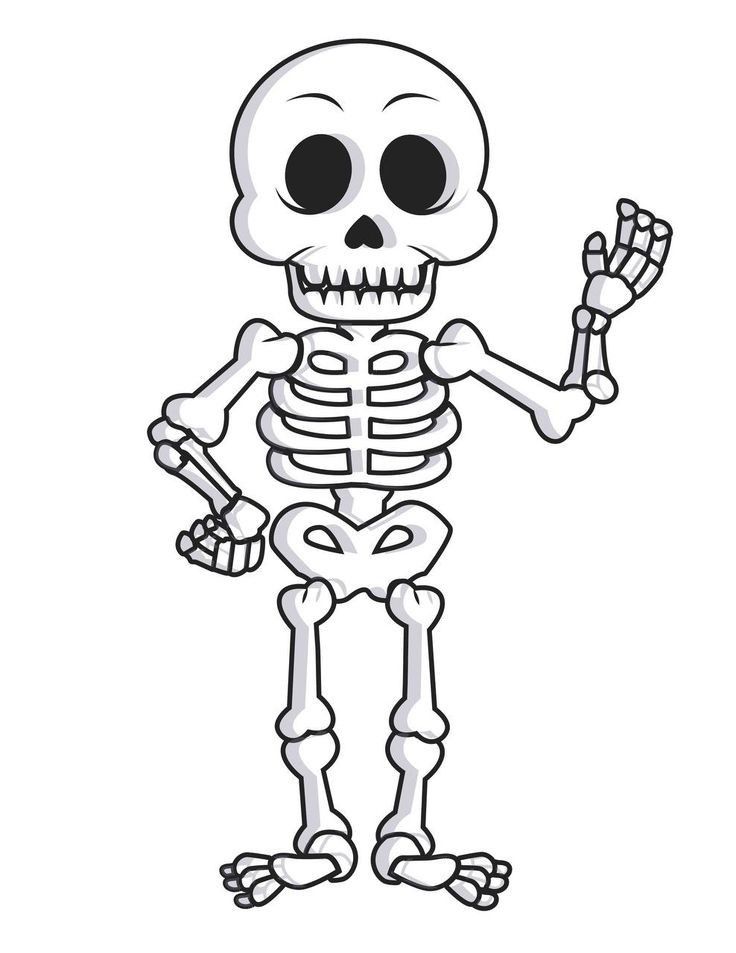
Have you ever encountered peculiar art installations, characters in video games, or illustration oddities that feature a seemingly lifeless, yet animated skeleton? This curiosity is often swayed by the intrigue of an esqueleto humano animado, or animated human skeleton, interestingly prevalent in various forms of artistic expression.
Diving into the realm of the animated skeleton, we find that it's not merely a macabre concept, but a rich tapestry of artistic, cognitive, and cultural significance. It offers a unique perspective, one that combines the whimsical and the somber, the playful and the profound. In this article, we'll explore the fascinating world of the esqueleto humano animado, its implications, and its captivating presence in our collective imagination.
The Artistic Life of the Esqueleto Humano Animado
The animated human skeleton finds a fertile ground in the realm of art, particularly in drawings, paintings, and sculptures. From Renaissance masterpieces to contemporary street art, the skeleton's animated presence is unavoidable.


In art history, we find notable instances where the animated skeleton is used to convey narratives or as a symbol. In Diego Rivera's murals, for example, skeletons often symbolize the monotony of work, the futility of life, or the resilience of the human spirit.
Animated Skeletons in Fine Arts
Artists like Joseph Wright of Derby and Francisco Goya used the animated skeleton to explore themes of mortality, vanity, and the inevitability of the human condition. Wright's "An Academy by Lamplight" features a skeleton central to a history lesson, while Goya's "The Disasters of War" series presents skeletons as harbingers of impending doom.


These examples illustrate the versatility of the animated skeleton as a symbol. Depending on the cultural and historical context, it can evoke laughter, terror, or contemplation.
Animation and Pop Culture
In the world of animation and pop culture, the animated skeleton is a staple character, often embodying humor, adventure, and sometimes, heroism. From cartoons to video games, these characters are popular due to their accessibility and relatability. They allow us to explore themes of life, death, and rebirth in a non-threatening, often comedic manner.
Jim Henson's 'The Dark Crystal' features Jen, a bustling, expressive skeleton puppet, who embodies a powerful message of healing and renewal. In Pixar's 'Coco', the charismatic skeletal character, Hector, leads a journey of remembrance and reconciliation.


The Psychological and Cultural Significance of the Esqueleto Humano Animado
The animated skeleton, despite being devoid of flesh, evokes a range of emotions and thought processes in viewers. This section delves into the psychological and cultural significance of this intriguing phenomenon.
Anthropologically, the skeleton often represents the duality of life and death. As a remnant of human existence, it encapsulates our collective struggle with mortality. In many cultures, skeletons are employed in rituals and art to diminish fear of death and to celebrate life's interconnectedness.
Psychological Projections
In the realm of psychology, the animated skeleton can be interpreted as a projection of our inner selves, stripped of our exterior identity. It's an exploration of our true essence, or perhaps, a manifestation of our fears and insecurities. Some view it as a representation of our innermost thoughts and feelings, otherwise hidden by our facade.




For instance, in Carl Jung's theories of the collective unconscious, the skeleton could be seen as an archetype, embodying the transformative power of life-death-life cycles.
Cultural Interpretations
Culturally, the animated skeleton is interpreted through various lenses. In Mexico's Día de los Muertos, it's a joyous, colorful celebration of departed loved ones. In Day of the Dead art, skeletons are often depicted in vibrant, flowing garments, engaging in daily activities, reflecting the belief that death is a natural part of life's cycle.
In contrast, in Halloween traditions, particularly in the US, animated skeletons are often portrayed as frightening or eerie, stemming from the holiday's connection to the darker aspects of death.
In conclusion, the esqueleto humano animado is more than just an entertaining or fearful image. It's a complex, multifaceted symbol that weaves into our cultural, psychological, and artistic fabric. From its historical roots to its modern interpretations, it reflects our enduring fascination with life, death, and everything in between. So next time you encounter this animated skeleton, take a moment to appreciate its story, its symbolism, and its place in our collective consciousness.
Related Articles
Skeleton Dance: Animate Your Own Human Skeletal System
Have you ever wondered how educators and scientists manage to captivate students and audiences when explaining complex biological structures, such as the human...

Humanoid Skeleton PDF Download
The human skeleton, with its intricate network of bones and joints, serves as the body's robust framework, supporting us in every action we take. A...

Animated Lion Head: Embrace the Majesty
Have you ever been captivated by the screen in a crowded public place, drawn in by the sight of a vibrant, moving lion? Chances are, you've encountered a...

Dibujos Animados de Plantas: Ideas y Guías para los Artesanos
Ever found yourself wondering how cartoons bring vegetation to life? Meet 'plantas de dibujo animado', the unsung heroes of the animated world, breathing life...

Comparacion Signo Gif Animado
The comparison sign is a universally understood sign in mathematics, represented by the '=' sign. In the digital world, animated GIFs have made learning and...

Aprende Anatomía Humana con Nuestros Dibujos del Cuerpo
The human body is a fascinating marvel of evolution and design, and it's no surprise that many are drawn to understanding, appreciating, and even drawing the...