Yamato Coloring Pages
Exploring the intricate art of traditional Japanese masterpieces just got more accessible and fun, thanks to the captivating world of Yamato coloring pages. Dive into the rich culture and heritage of Japan as you meticulously fill in the outlines of historic temples, iconic symbols, and folktale characters. These coloring pages are not just a creative outlet; they are a unique opportunity to learn about Japan's vibrant history and aesthetic.
Yamato, an ancient and prominent tribe that gave birth to the Japanese culture, has inspired countless artistic works. Their designs, often influenced by nature and spirit animals, have been immortalized in these beautiful coloring pages. So, grab your colored pencils and immerse yourself in the enchanting world of Yamato.
Unveiling Yamato's Cultural Legacy
Yamato coloring pages are a treasure trove of Japan's cultural heritage. From intricate chrysanthemums to majestic koi carp, each design tells a story. As you color each page, you're not just filling in outlines; you're connecting dots in Japan's historical tapestry.


The art of Yamato also reflects the country's cohesive aesthetic principles,chasaku, which emphasize simplicity, naturalness, and harmony. These artistic values are reflected in the intricate yet balanced designs, making Yamato coloring pages a rich learning experience.
Yamato Motifs: Nature's Bounty
Nature holds a sacred place in Japanese culture, and Yamato art is no exception. Cherry blossoms, bamboo, and waves are common motifs. Each represents a unique aspect of Japanese life - the transient beauty of spring (sakura), strength and resilience (bamboo), and the cyclical nature of life (waves).


As you color these motifs, consider the deeper symbolism and use colors that reflect these meanings. For instance, use shades of pink to represent the soft beauty and transience of cherry blossoms, adding an extra layer of storytelling to your coloring page.
Folklore and Folktales Come to Life
Yamato art isn't justabout nature; it also encompasses Japan's rich folklore. From the mischievous kitsune (fox spirits) to the wise and helpful tengu (long-nosed goblins), Yamato coloring pages bring Japan's folktales to life.
Coloring these mythical creatures allows you to connect with Japan's historical narrative. Each character has a story, a role in Japanese culture, and a unique visual representation. As you color them, you become a part of these ancient tales.


The Art of Japanese Coloring: Washi and Sumi-e
Yamato coloring pages aren't just about the final product; they also teach the art of Japanese coloring. This includes understanding materials like washi (Japanese paper) and sumi-e (ink painting).
Yamato designs are often inspired by sumi-e, a form of ink wash painting that emphasizes spontaneity and expressiveness. As you color, experiment with shading techniques and color washes to mimic this artistic style.
Washi: The Soul of Japanese Paper
Washi, made frommulberry bark or other natural fibers, is an essential component of traditional Japanese art. The texture, warmth, and tactility of washi give Japanese art its unique charm. Yamato coloring pages often mimic this texture, immersing you in the authentic Japanese art experience.


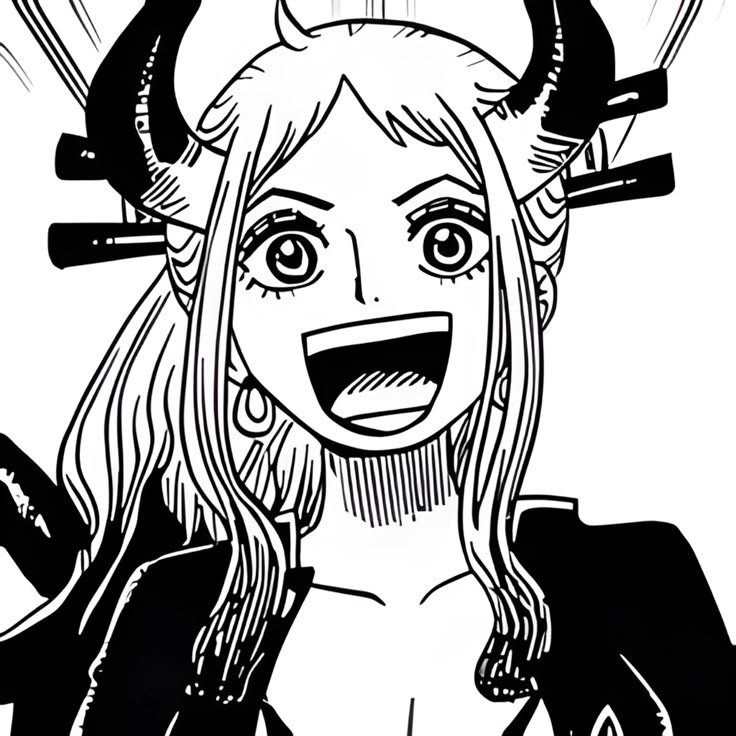

Try using different colored pencil pressures and directions to mimic the texture of washi. This will not only enhance your coloring page but also deepen your understanding and appreciation for this traditional Japanese material.
Sumi-e: Ink Wash Techniques
Sumi-e, the art of ink painting, is all about capturing the essence of a subject with minimal ink. Yamato designs often reflect this philosophy, with intricate outlines and subtle shading allowing for creative interpretation.
As you color, experiment with ink wash techniques. Use a damp brush to blend your colors, creating the soft, gradated effect characteristic of sumi-e. This will not only make your coloring pages look more professional but also help you appreciate this classic Japanese art form.
Engage with Yamato coloring pages, and you'll find that each line, each design, tells a story. It's an opportunity to learn, to create, and to connect with Japan's rich cultural heritage. So, go ahead, unleash your creativity, and let Yamato art color your world.
Related Articles

Daniel in the Lions Den: Free Coloring Pages for Kids
Immerse your little ones in the thrilling biblical tale of Daniel and the lions with our captivating Daniel in the Lions' Den coloring pages. These printable...

Paw Patrol Coloring Pages: Fun and Free Printables for Kids
Immerse your little ones in the world of adventure and fun with our wide range of Paw Patrol coloring pages! Designed to engage and delight your child, these...

Adidas Logo Coloring Pages: Free Printables for Kids
Adidas, the renowned sports apparel and footwear company, has etched its iconic logo in the hearts of millions around the world. The Adidas logo, with its...

Rugrats Coloring Pages: Free Printable Fun for Kids
Immerse your little ones in the vibrant world of Nickelodeon's beloved animated series, Rugrats, with our engaging and SEO-optimized collection of Rugrats...

Alligator Coloring Pages
Alligator coloring pages are a fun and educational way to engage children in learning about these fascinating reptiles while fostering creativity. With their...

Falling Leaves Coloring Pages: Autumn Art for Kids
Autumn, the season of vibrant hues and cooler temperatures, is often celebrated for its transformation of landscapes, with one of its most iconic symbols being...