Cane Whipping Techniques
The art of whipping with a cane is an ancient practice that transcends cultures and centuries. From agricultural tasks to military drills, the humble cane has been our companion, serving us loyally and efficiently. Today, its uses have evolved, encompassing everything from gardening tools to modernist sculptures. Let's delve into the world of whipping with a cane, exploring its history, techniques, and unique applications.
Whipping with a cane isn't merely aboutbrandishing a stick; it's an skill that demands respect for the tool and one's surroundings. Before we delve into the how, let's briefly explore the why and wherefore of whipping with a cane.
The Historical Significance
The cane's journey is as old as civilization itself. Early humans used wooden canes for walking aids, weaponry, and driving away wild animals. Over time, the cane evolved into a multifaceted tool, embodying both utility and symbolism.


The cane also holds deep-rooted cultural significance. In many societies, it represents authority, prestige, or even supernatural powers. For instance, in some African cultures, the staff or cane is a symbol of transition from childhood to adulthood, and in Malaysia, the guru kanopi or walking stick is a mark of rank and respect for tribal chiefs.
Traditional Uses
Historians often look at the cane through a utilitarian lens. It has been used extensively for farming, harvesting crops, and guiding animals. In agriculture, caning is still prevalent in some regions, looked upon as a nod to traditional practices.

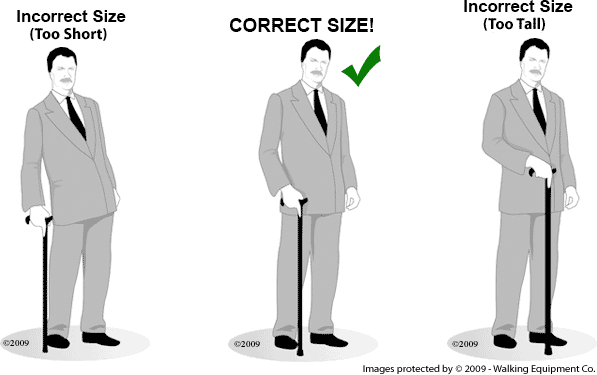

In military tradition, the cane is a symbol of rank and authority. From Roman centurions to British colonial officers, the cane has been a hasta (lance) in the hands of leaders, symbolizing power and command.
Modern Applications
In our digital age, the cane's utility remains unyielding. It's used in gardening and farming, military drills, and even in stroked art - the unique marks left by caning on paper or canvas.
Moreover, whittling skills honed with a cane are transferable. They can be applied to woodcrafts, sculpture, even intricate carvings.


Mastering the Art of Whipping with a Cane
Mastering the art of whipping with a cane requires practice, patience, and a solid understanding of your tool. Let's explore some key techniques and tools.
Firstly, the type of cane matters. rattan, bamboo, and hazel are commonly used due to their strength and flexibility. Experiment to find what works best for you.
Grip and Posture
A good grip is crucial. Hold the cane two-thirds of the way from the top, with your thumb resting on the underside. Your posture should be stable but relaxed, not rigid.


To achieve maximum accuracy, line up the tip of the cane with your target. A slight flick of the wrist sends the cane flying towards its mark, accurate and swift.
Practice and Precision
Practice makes perfect. Daily sessions honing your technique will improve your accuracy and control. Start by aiming for stationary targets, then progress to moving ones, or try whittling intricate patterns on wood or paper.
Remember, safety always comes first. Be mindful of your surroundings, never aim at fragile or human targets, and always ensure children and pets are a safe distance away.
Sculpting with Canes
An often-overlooked application of whipping with a cane is in sculpting. The craft of‘caning’ or ‘cane art’ involves slashing or stabbing paper or canvas with a trimmed cane, leaving unique, artistic marks.
The beauty lies in unpredictability. A flick of the wrist can create evocative abstractions, or even figurative representations with careful guidance and practice.
Materials and Techniques
start with a robust, durable cane, preferably untapered. Ink or acrylic paint should be thicker, allowing for better flow and retention on the paper or canvas.
The most basic technique involves dipping the cane tip into the paint, then flicking your wrist sharply. This is known as ‘slashing’ or ‘stabbing.’ Experiment with varied pressures and angles for a range of marks and patterns.
Advanced Techniques
Once you're comfortable with basic techniques, you can explore more advanced methods, such as looping and layering. Looping involves wrapping the cane around your wrist or fingers for controlled, repetitive strokes. Layering involves overpainting previous strokes for dense, intricate patterns.
Don't forget to practice. Art isn't about perfection; it's about expression. Embrace your unique style, and let your creativity flow.
Whipping with a cane is far more than a tool in hand. It's a story of our ancestors, a skill learned and passed down, a form of artistic expression. Whether you're tracing back its history, honing your technique, or sculpting intricate artworks, remember, every stroke tells a tale. Happy caning!
Related Articles

Watercolor and Salt: Elevate Your Art with This Magical Techniques
The captivating world of watercolor art takes an exciting turn when combined with an unlikely friend: salt. This humble kitchen staple has the power to...

Candy Cane Wreath: Bring Holiday Sweetness to Your Door
Imagine the delight that fills a room when a beautifully crafted wreath adorned with candy canes is hung on the door. This Wahlen-brand wreath is not just a...

"Download Free Candy Cane Cartoon Clipart with Transparent Background"
In the enchanting realm of animation, some of the most iconic and beloved characters are those adorned with candy canes, especially during the holiday season...

Fall Gardening Tips: Maximize Your Season with These Expert Techniques
Autumn may signal the end of warm weather, but it's the perfect time to prep your garden for a healthy start next spring. For garden enthusiasts, fall...

Candy Cane Valentine: Heart-Shaped Sugar Rush
You've probably seen them before - the candy canes we're so accustomed to during the holiday season, with their swirling red-and-white stripes that resemble a...

Dotted Line Techniques in GIMP: Masterful Design with Ease
In the realm of graphic design, the question often arises: what is a dotted line in GIMP? Unlike Photoshop, GIMP may seem lacking in certain features, but...