Screw in English: Tuerca Explained
Have you ever found yourself in a position where you needed to identify a specific part in a mechanical system but found yourself lost in translation? The word 'tuerca' might have crossed your path, and you might be wondering what it means in English. Today, we are going to explore the English equivalent of 'tuerca', along with its various types and uses.
'Tuerca', a Spanish term, can be translated into English as 'nut'. It's a small, cylindrical part with an internal thread, designed to hold or fasten things such as bolts, shafts, or pipes in place. Let's delve deeper into this fundamental yet crucial bolt-fastening component.
The Importance of Nuts in Mechanical Systems
In the world of mechanics, nuts play a pivotal role in securing components, preventing unwanted loosening, and ensuring stability in various systems. They are essential in industries like automotive, aerospace, construction, and manufacturing, among others.


The importance of nuts is rooted in their ability to apply tension to a bolt, creating a tight connection between parts. This tension can be adjusted as needed, offering flexibility when it comes to assembly and disassembly.
Types of Nuts
Nuts come in a variety of shapes and sizes, each serving a unique purpose. Some common types include:


- Hex Nuts: These are the most common types, with six sides enabling easy gripping with a wrench.
- Lock Nuts: Designed with a plastic insert or a built-in nylon patch, lock nuts help prevent loosening, especially useful in systems prone to vibration.
- Wing Nuts: Equipped with flexible 'wings' on either side, they can be tightened or loosened by hand, no tools required.
Understanding Nut Grades and Materials
Nuts are often categorized based on their strength or resistance to heat and corrosion. These are known as nut grades or classes. Commonly, one encounters grades like class 1, 2, 3, or 8, each signifying different resistance levels. Materials used in nuts range from metals like steel and aluminum to non-metallic options such as nylon and plastic, each with its own applications and limitations.
A proper understanding of these grades and materials can help in selecting the right nut for the job, ensuring optimal performance and longevity in various working conditions.
Nuts in Everyday Life
We may not notice them, but nuts are ubiquitous in our everyday lives. From simple household tasks like assembling furniture to operating vehicles and heavy machinery, nuts play an integral part.


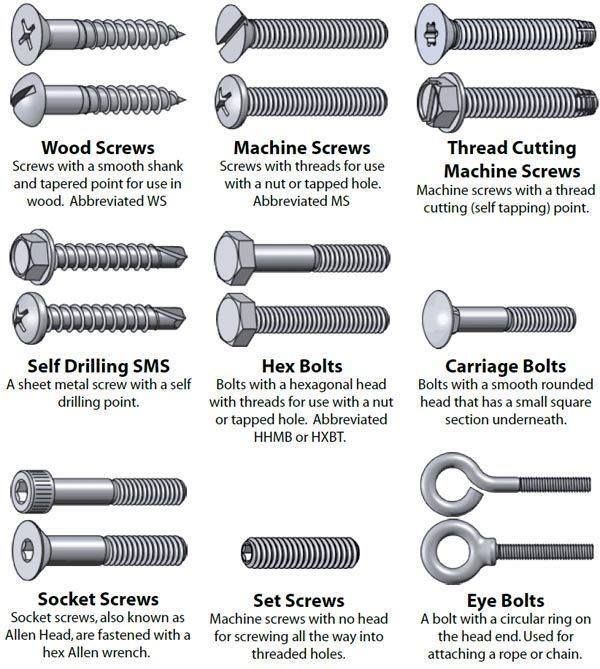
Think about it: the wheels on your bicycle, the shelves in your closet, the faucet in your kitchen - all held together by these tiny yet mighty nuts and bolts.
Repairing and Replacing Nuts
Over time, nuts can corrode, strip, or simply wear out, requiring replacement. Repairs may involve cleaning, reThreading, or applying specialized nutserts to restore functionality. Techniques in nut replacement and repair vary based on the type, grade, and material of the nut in question.
Knowing how to identify, tighten, and loosen nuts can save you a lot of time and effort in repairs and maintenance, making it a handy skill to have.


In conclusion, understanding the English equivalent of 'tuerca' is a first step towards grasping the intricacies of mechanical systems. Nuts, in all their variety, play crucial roles in numerous industries and everyday life, making knowledge of their types, grades, and uses increasingly valuable.
So next time you find yourself pondering, "What's this 'tuerca' thing I keep hearing about?", rest assured, you're exploring a world of vital components that hold our mechanical world together.
Related Articles

Nuts and Bolts: Learn "Tuerca" in English
Ever found yourself in a situation where you needed to tighten or loosen a bolt, but the only tool available was a wrench, and you didn't know the English term...

Triangle in English
Triangle, or "triángulo" in Spanish, is a basic yet fundamental shape in geometry that plays a significant role in various fields, from architecture and art to...

Color Salmon in English
In the world of language learning, there are numerous terms that can trip up even the most seasoned learner, and "color salmon en ingles" (color salmon in...

Unveiling Hidden Desires: English Speakers' Customer Wishlist
As a business owner or marketer, understanding your customers is key to driving growth and success. But what if some of your customers' preferences are hidden...

English Wallpapers for Covers: Vibrant Imagenes
Looking for captivating images for your English portable's homepage? You've come to the right place! Visuals play a crucial role in capturing the attention and...

Example Memorandum in English
A memorandum, often abbreviated as "memo," is a formal record or document written to communicate information pertinent to an organization. It's a crucial tool...