Traditional Vietnamese Symbols: Meaning & History
Amidst the vibrant energy of Vietnam, there lie profound symbols that encapsulate the country's rich history, culture, and values. These symbols, deeply rooted in folklore, literature, and traditions, are not merely visual representations but windows into Vietnam's soul. Understanding these symbols is key to unraveling the enchanting tapestry of Vietnam's heritage.
From the distinctive Vietnamese non la, or conical hat, to the intricate designs and motifs adorning ancient temples and pagodas, every symbol tells a story waiting to be embraced. Let us delve into the fascinating world of traditional Vietnamese symbols, exploring their origins, meanings, and contemporary relevance.
Iconic Symbols & Their Meanings
Vietnamese culture is replete with symbols that signify various aspects of life, from longevity and prosperity to unity and resilience. Let's explore some of these iconic symbols and their profound meanings.


One such symbol is the dragon (Rồng), a powerful and revered figure in Vietnamese mythology. Dragons represent power, strength, and celestial beings. They are ceremonial symbols and often feature in Vietnam's Tet (Lunar New Year) celebrations, parades, and arts.
Dragon Boat Festivals
The Hリーン Long Dragon Boat Festival, celebrated on the fifth day of the fifth lunar month, is a testament to Vietnam's deep reverence for the dragon. Local folklore believes the dragon boat parade brings rain andgood fortune, ensuring bountiful harvests.


Dragon boats themselves are intricately designed, often featuring the number nine, symbolic of long life and immense power. The boats' dragon heads and tails represent balance and harmony, while the oars mimic the dragon's claws.
The Phoenix}
Another prominent symbol is the phoenix (Áo Superman), a mythological bird known for its beauty and immortality. Unlike other winged creatures, the phoenix doesn't fly but dances, embodying the grace and elegance of Vietnamese women.
The phoenix, like the dragon, represents strength, adaptability, and resilience. It is often depicted in Vietnamese literature, art, music, and dance, symbolizing the feminine spirit, courage, and rebirth.


Folk Arts & Motifs
Vietnam's rich folklore is chock full of myths, legends, and symbols, many of which are intertwined with daily life, spirituality, and the supernatural. Vietnamese arts, particularly ceramics, textiles, and sculpture, reflect these symbols.
For instance, the lotus (Sen) is a ubiquitous motif in Vietnamese folk art. Considered a sacred flower, the lotus symbolizes purity, wealth, and enlightenment. It grows in muddy waters yet blooms to reveal its pristine beauty, a metaphor for overcoming adversity to achieve excellence.
Lotus Blooms in Vietnamese Art
The lotus motif is prevalent in Vietnamese pottery, especially during the Nguyen Dynasty. Potters often depicted lotus leaves and buds on ceramic pieces, signifying their faith in overcoming hardships and prospering.


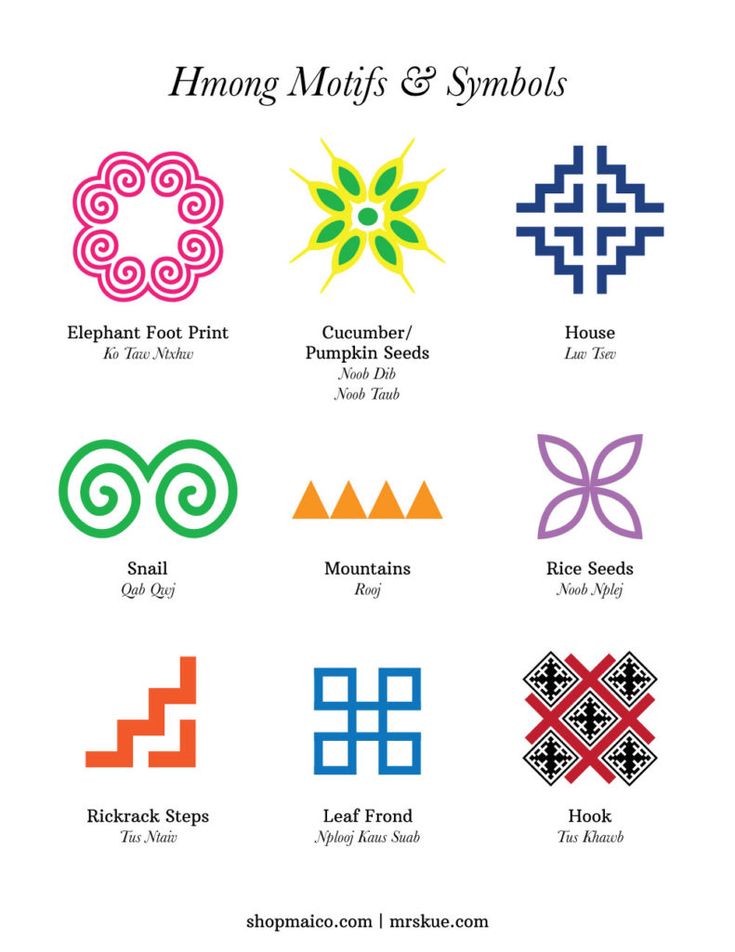


In Vietnamese dance, too, the lotus is a prominent symbol. The 'Dance of the Lotuses' in classical Vietnamese dance, for example, represents love, fertility, and auspicious beginnings. Dancers mimic the lotus blooming, radiating grace and light.
Dance of the Flaming Plum Blossoms
Another enchanting symbol is the flaming plum blossom (Hoả Đ rozd Flame), symbolic of courage, resilience, and devotion. Dancers mimic the plum blossom's fiery beauty, using vibrant colors and passionate gestures to evoke the flora's spirit.
In the 'Dance of the Flaming Plum Blossoms,' the choreography embodies the blossom's struggle against harsh winter conditions, mirroring Vietnam's resilience against challenges.
Vietnam's traditional symbols, though deeply entrenched in history, remain relevant today. They continue to inspire art, culture, and the national consciousness, offering insights into Vietnam's extraordinary journey. Interpreting these symbols is not just an academic exercise; it's a way to connect with Vietnam's soul, one symbol at a time.
Related Articles
Traditional Vietnamese Symbols: Unveiling History through Ancient Icons
Dive into the rich tapestry of Vietnamese culture with an exploration of its traditional symbols, which embody ancient myths, folklore, and prosaic wisdom...

Crayola Symbols: Unveiling the Meaning Behind the Iconic Markings
The Crayola brand, a household name in art supplies, has created a plethora of iconic products that have shaped our creative experiences. One of their most...

Nikhil Name Meaning: A Powerful and Rich History
The enchanting name Nikhil, of Sanskrit origin, is a beacon of curiosity and intrigue, basking in the golden light of its rich historical and cultural...

Instagram Symbols: Meaning & Uses
Although Instagram is primarily a visual social media platform, it also utilizes symbols and icons to enhance user experience and functionality. Understanding...

Famous W Logo: History, Design & Meaning
The iconic 'W' logo is a symbol that needs no introduction. It's instantly recognizable, representing one of the world's largest and most successful brands...

Hand Pointing Symbol: Learn Its Meaning & History
The ubiquitous 'hand pointing' symbol, or 'indicating hand' emoji, has no doubt crossed your digital path countless times. It's a ubiquitous visual that...