Business Card Templates in English: Make a Lasting Impression
Discover the power of networking and leaving a lasting impression with professionally designed business cards in English. In today's globalized business world, clear and concise communication is key. This is where business cards in English come into play, bridging the language divide, and ensuring your network expansion knows no bounds.
Business cards, or "tarjetas de presentación" as they're known in Spanish, are your first point of contact with potential clients, partners, or employers. They paint the first picture of your professionalism, making it crucial to get them right, especially when you're communicating in English on an international stage.
Designing Effective Business Cards in English
Crafting a powerful business card in English involves careful thought, strategic planning, and a dash of creativity. Remember, you're not just listing your contact details; you're advertising your brand, personal or professional.


A well-crafted business card simplifies initial contact, making it easier for new connections to reach out and follow up, fostering relationships and driving business growth.
Understanding Your Audience
First and foremost, understand your audience. Who are you handing your card to? Are they international clients, US-based partners, or fellow English speakers at an industry conference? Tailor your business card to suit them. For instance, if your card will mostly be used in the US, consider including your city or state to show familiarity with the local market.


Also, consider any cultural nuances. Different countries might prefer contact information to be on the back of the card rather than the front, or use different measures of professionalism. Research your target audience to ensure your card hits the right notes.
Design Elements Matter
Think of your business card as a mini-billboard. It's got to grab attention in a fraction of a second. So, use a high-quality paper stock, and play with typography. Fontsorskplacept can evoke your brand's personality, whether that's modern, traditional, fun, or serious. Use At mosttwo or three fonts to avoid a cluttered look.
Incorporate visuals like a professional headshot, graphic elements, or even a subtle pattern, but ensure they stay relevant to your brand and aren't overly complex. Think clear, crisp, and recognizable. Lastly, keep the design symmetrical. Especially in English, readers expect to read from left to right, top to bottom.


Must-Have Information on Your English Business Card
For your English business card to hit the mark, include vital contact details that make you easily reachable. After all, what good is a great card if it can't help foster a connection?
Consider these must-haves: Your full name in English, job title, company name, one professional headshot, professional email address, phone number, website or LinkedIn profile, and any relevant social media handles. If you're in a field where location matters, include your city, state, and country.
Choosing the Right Headshot
A professional headshot adds a personal touch to your business card, a face to the name. Choose a picture where you look approachable yet professional. Remember, first impressions matter. Make sure your headshot is recent, reflects your current appearance, and shows you in good lighting.


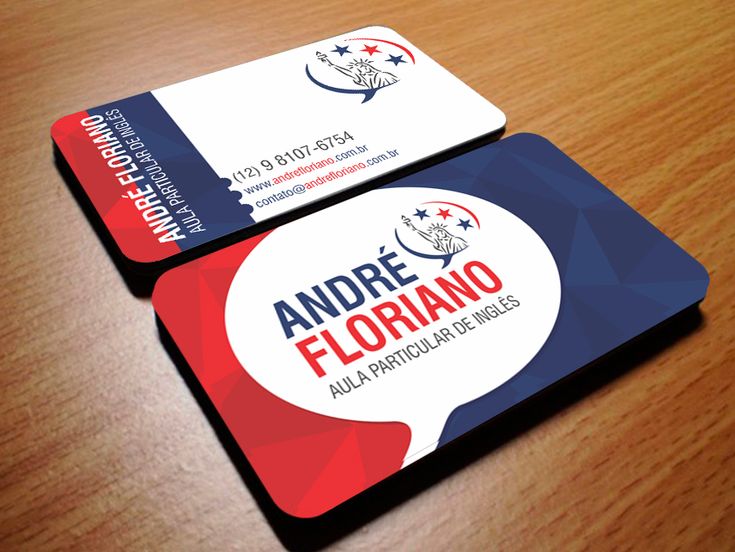


Your headshot should be a clear, unframed portrait, cropped to just above your shoulders. Wear clothing appropriate to your industry. If you're unsure, stick with what you'd wear to the office. Less is more here; the focus should be on your face, not your fashion.
Language and Style
Business cards in English have a clear, simple, and concise style. They're direct and to the point, making it easy for the reader to understand what you do and how to reach you. Avoid jargon, unless it's necessary and will be understood by your audience. For instance, a software developer might use technical terms that are widely recognized in the industry.
Use bold headings for your name, job title, and company name. For other details, use a simple, easy-to-read font. Make sure your card is easy to scan. Use bullet points, short sentences, and plenty of white space to keep the reader's eye moving. Pare down your content to the essentials, and avoid cramming every bit of information you can think of onto the card.
Lastly, never underestimate the power of a well-designed business card in English. It's often the first point of contact, representing you and your brand. By understanding your audience, designing with care, and including the right information, you'll create a business card that makes a lasting impression. Remember, you've got just one chance to make a first impression. Make it count.
Related Articles

Custom Folded Business Cards: Make a Lasting First Impression
In today's digital age, the necessity of physical business cards may seem outdated. However, a professionally designed, custom folded business card can still...

Cannabis Business Cards: Elevate Your Brand, Make a Lasting Impression
In the progressively competitive landscape of cannabis industry, branding plays a pivotal role in setting businesses apart. One often overlooked yet powerful...

"Must-Have Cricut Business Card Templates for Your Brand"
Cricut, a popular crafting and cutting machine, has revolutionized the way we create and design. Business cards, a vital networking tool, can now be...

Elite Business Cards: Make a Powerful First Impression
First impressions matter, especially in the fast-paced world of business. An elite business card is more than just a piece of cardstock; it's a reflection of...

Judges' Business Cards: Making a Lasting Impression
In today's digital age, business cards might seem old-fashioned, but for professionals like judges, they remain indispensable tools for networking and...

Top Business Card Fonts for a Winning First Impression
In today's digital age, it might seem that business cards are becoming a thing of the past. However, these humble pieces of cardstock remain as relevant as...