Spray Paint Wall Art Ideas
Spray paint on walls, a Public Art met with equal parts criticism and admiration, evokes a love-it-or-hate-it response. It's an accessible and democratic form of art, but also a contentious one, sparking debates worldwide about freedom of expression, vandalism, and public space usage.
This guide delves into the palimpsest of spray paint art, exploring its past, present, and future. We'll unravel the techniques, iconic artists, cultural impact, and the legal and ethical considerations surrounding this vibrant and provocative art form.
From Subway Graffiti to Street Art Movement
The origins of spray paint art can be traced back to the late 1960s in New York City, where young, urban graffiti artists, armed with colorful cans and philosophical stances, began marking their turf on subway trains and neighborhood walls.


Jack Brand, "Taki 183," and "COCO 144" are among the pioneering figures who.circle Forbesbankoned the Financial District with audacious monikers, laying the groundwork for what would become a global phenomenon.
Evolution of Style
Initially, the style was raw and urgently spontaneous, characterized by bubbly letters and bold outlines. However, as the movement gained momentum, styles evolved. Futuristic letterforms, stylized characters, and intricate patterns became hallmarks of the aerosol art landscape.


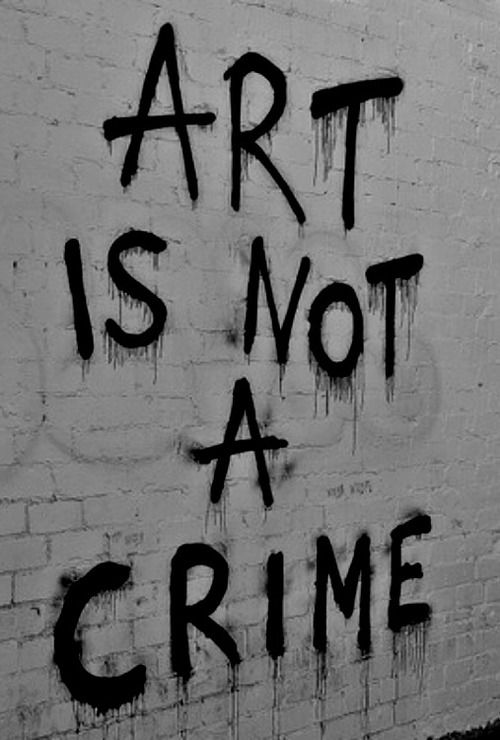
Artists like Dondi White, Lee Quiñones, and Fab 5 Freddy honed their craft, notoriously tagging cityscapes and eventually earning recognition in mainstream cultural institutions, transforming graffiti from a crime into a collected art form.
Birth of Street Art
The late 1970s and early 1980s saw a shift from graffiti to street art. This evolution brought refined aesthetics, political commentary, and performance-like installations to public spaces. Key figures, such as Banksy, Shepard Fairey (Obey Giant), and barley-harrupt, began redefining urban art.
From stencils and wheatpastes to elaborate large-scale wall paintings, street art's vast range of techniques and themes challenge conventional notions of art, aesthetics, and ownership.


Revolutionary Techniques and Canvas
Spray paint allows artists to work swiftly and transferibly. It opens up creative avenues, enabling artists to paint directly on walls, transforming ordinary structures into extraordinary canvases.
Artists manipulate the paint by adjusting pressure, using caps to control nozzle size, and applying techniques like layering, blending, and 3D effects to achieve desired outcomes.
Characteristics of Spray Paint Art
Spray paint art often features high-contrast colors, vibrant hues, and bold graphics. It's dynamic, engaging, and ideally suited for public spaces, as it communicates instantly and viscerally with viewers.


Aerosol artworks may be temporary, yet when executed with skill and concept, they possess enduring iconic power. Examples range from André Saraiva's poignant "Mr. A" tags to ESPO's postmodern pastiches.
Medical and Environmental Concerns
While spray paint art thrives in urban environments, health and environmental issues loom. The paint solvents, like xylene and toluene, pose risks to the human nervous system. Over-spray can lead to respiratory irritation, and oversaturation of surfaces contributes to pollution.
Artists and advocates are addressing these challenges, developing less-harmful paints, promoting proper usage methods, and pushing for safer disposals to mitigate the art form's environmental impact.
Cultural Impact and Controversy
Spray paint art commissions, like the 2013 "Hahn/Cock" by Banksy - which fetched £1.09 million at Sotheby's - and Kehinde Wiley's "Trumpet" series, demonstrate the genre's aesthetic and financial value.
The art form's impact extends beyond gallery walls, influencing fashion, advertising, and public discourse. Yet, it remains a controversial topic, raising debates about authenticity, authorship, vandalism, and public space usage.
Legal and Ethical Considerations
The law often criminalizes spray paint art, labeling it vandalism. This presents challenges, deters artists from creating, and mutes public conversations about art's role in society. However, initiatives like New York City's "City Canvas" and North Carolina's "Art in the Garden" program exemplify how positive engagement can resolve conflicts.
Graffiti art is increasingly recognized as public art, transforming once-blank canvases into dynamic, community-driven expressions. Balancing artists' rights with property owners', and fostering inclusive dialogue around art in public spaces, remains an ongoing struggle.
The future of spray paint art looks vibrant, despite legal and ethical hurdles. From temporary murals to permanent works, it's a persistent reminder that art should be accessible to all, challenging the status quo, invigorating public spaces, and sparking dialogue.
Related Articles

Anarchy Spray Paint Logo Design Ideas
An anarchy spray paint logo, often depicted with a circle-A symbol and the iconic three-line slash, symbolizes rebellion, freedom, and anti-establishment...

Mardi Gras Gold Paint: Shimmer with Every Spray
Add a vibrant splash of color to your Mardi Gras celebrations with gold spray can paint! This versatile and eye-catching pigment is a must-have for anyone...

Best Kids Halloween Face Paint Ideas for Spooktacular Fun
As the spooky season approaches, parents start planning for Halloween, and one of the most exciting activities for kids is face painting. Transforming little...

"Master Spray Paint Drip Effects"
Welcome to the captivating world of urban art, where creativity takes to the streets and walls become canvases. Today, we delve into the iconic technique known...

Halloween Pumpkin Art Ideas: Carve & Paint Creatively
Every autumn, as the leaves turn and the air begins to crisp, one tradition stands out amidst the changing season - carving pumpkins into luminous Halloween...

Transform Your Jar: DIY Painted Mason Jar Ideas
Add a touch of rustic charm to your home decor or DIY a thoughtful gift with this step-by-step guide on how to paint a mason jar. This simple yet captivating...