Spider Crafts for Kindergarten: Fun & Easy Ideas
Spider crafts for kindergarten are a fun and engaging way to spark your little ones' imagination while also helping them learn. With their unique shapes and designs, spiders can inspire creativity and unlock learning opportunities in kids as young as 4. Let's dive into some delightful spider craft ideas that are perfect for kindergarteners.
Before we begin, remember that safety is paramount. Use age-appropriate materials like pipe cleaners, Pom-Poms, paper plates, and non-toxic glue to ensure a worry-free crafting experience. Here are some spider crafts that are both entertaining and educational.
Spider Web Crafts: A Sensory Experience
Spider web crafts offer an excellent sensory experience for kindergarteners. They can learn about symmetry, shapes, and textures while creating these fun webs.


One of the easiest ways to make a web is to use a paper plate. Cutting and sticky-taping the plate to create the web shape helps develop fine motor skills. Then, let your child decorate the web with cotton balls or Pom-Poms for a touch of texture.
Web Sticky Trap
Create a sticky trap for your web by applying some glue on a paper plate. Sprinkle some glitter or confetti on the glue to create a sparkly trap. This helps kids understand the concept of a web's purpose.


Take it a step further by using this web as a teaching tool. Ask your child, "Who might get caught in this web?" This sparks conversations about different animals and their habitats, integrating science into your crafting session.
Paper Plate Spider Web: The Classic
For a no-sticky version, use construction paper to create spider legs and a body. Your child can stick these onto the web, creating a vibrant, plush-looking spider.
To integrate numbers into this activity, ask your child to count and write the number of legs and eyes on their spider. This turns a fun craft into a subtle learning opportunity.
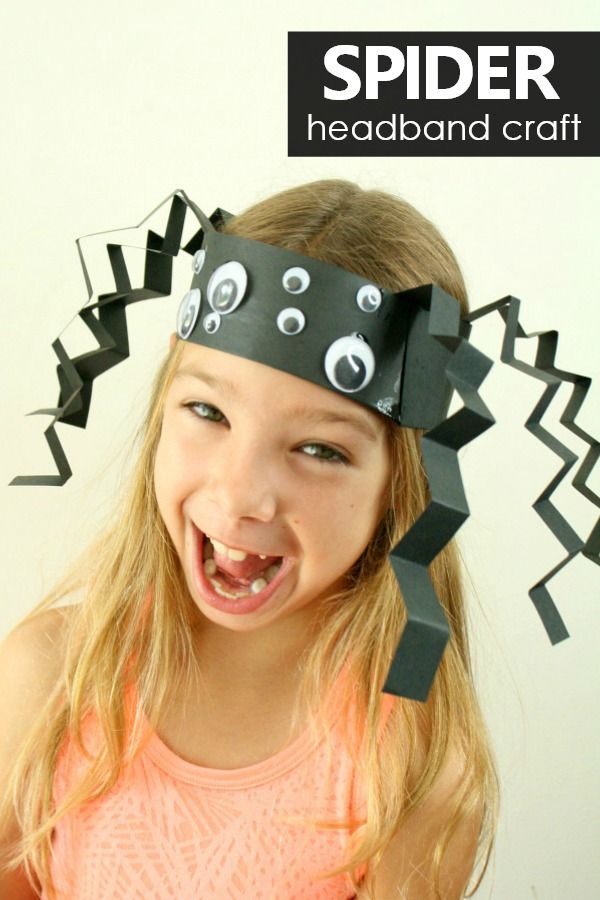


Paper Plate Spiders: Colorful and Shiny
Paper plate spiders are a simple yet engaging craft that helps kids develop their fine motor skills and hand-eye coordination.
Start by painting a paper plate black. Once dry, help your child cut the plate in half to create the body and the head of the spider. Then, assemble the spider by gluing pom-poms for eyes and chenille stems for legs.
Festive Paper Plate Spiders
Make this craft an opportunity to teach about different holidays and seasons. Decorate your spiders with ribbons, feathers, or holly to represent various celebrations throughout the year.


For example, create a festive fall spider with autumn-colored paper and leaf-shaped buttons. Ask your child, "What do spiders eat?" This leads to discussions about insects and food chains, making learning about spiders more interactive.
Spider Egg Sac Craft
Using a clear plastic bag, create a realistic egg sac for your spider. Fill the bag with cotton and seal it, then tuck it under the spider's body. This helps kids understand where baby spiders come from and sparks curiosity about the literal web of life.
Integrate a language activity by asking your child to describe the egg sac. This encourages vocabulary development and critical thinking skills.
In their pint-sized world, spiders could either be scary or fascinating. With these craft ideas, you've turned them into delightful learning opportunities that make crafting an enjoyable educational experience. So, grab your supplies and let the creative spider web weave begin!
Related Articles

Spider Drawing Ideas for Kids: Fun & Easy Spider Crafts
Is your little oneSpider-Man's biggest fan? Or maybe they just love creating their own whimsical worlds? Either way, drawing spiders is a fun and engaging...

Thanksgiving Kindergarten Crafts: Easy DIY Ideas to Spark Joy
Thanksgiving is just around the corner, and what better way to get your kindergarten kids excited than with some engaging and festive DIY crafts? These...

Spider Crafts for Toddlers: Fun and Easy Ideas
Is your little one fascinated by the tiniest creatures that spin webs and scuttle across walls? Why not channel their curiosity into creative and engaging...

DIY Kindergarten Crafts: Fun & Easy Ideas
Welcome to the vibrant world of creative learning! Crafts for kindergarten play a pivotal role in fostering holistic child development. They encourage...

"Thanksgiving Crafts for 2nd Graders: Fun and Easy Ideas"
Thanksgiving is just around the corner, and what better way to get your second graders excited about the holiday than with festive craft activities? Not only...

Mermaid Party Crafts for Kids: Easy Ideas
Transform your child's next birthday party into an enchanting underwater adventure with our captivating mermaid party crafts. Crafting your own party decor and...