Spanish Alphabet Letters
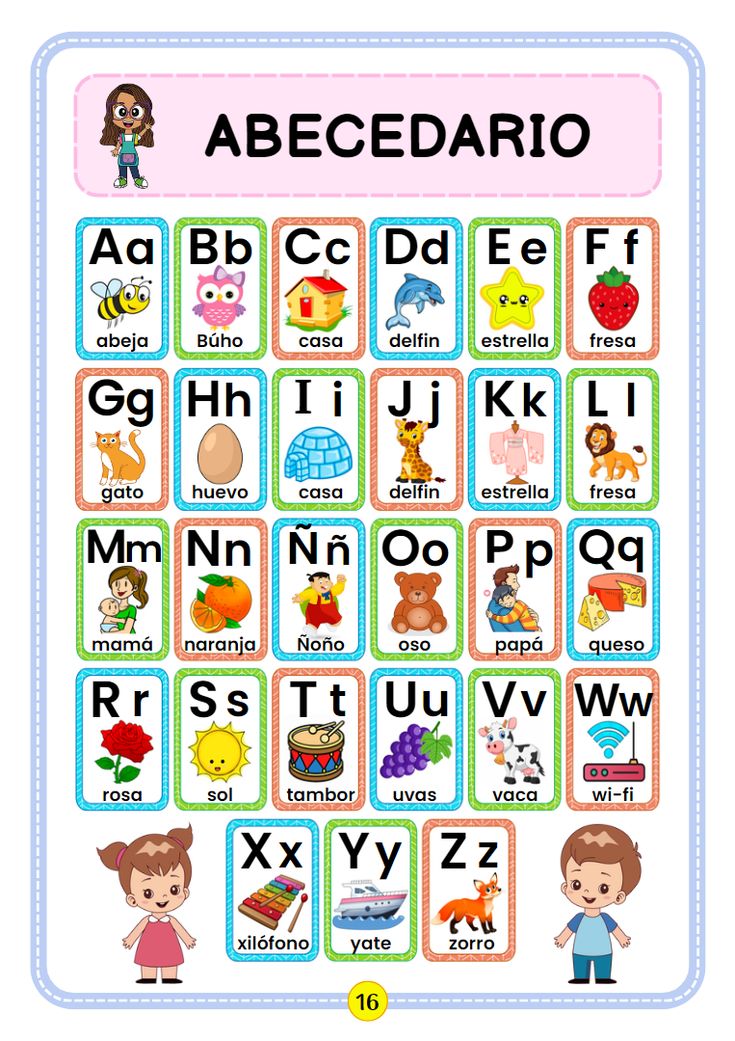
The Spanish alphabet, or alfabeto español, is an essential tool for communicating in Spanish. It comprises 27 letters, just like the English alphabet, although with a few distinct features. Let's explore the Spanish alphabet letters, their pronunciation, and unique characteristics.
When learning the Spanish alphabet, it's helpful to understand that it's based on the Latin alphabet, which was derived from the Phoenician alphabet. The Spanish alphabet consists of 21 consonants and 6 vowels, the same as in English, with the addition of the letter "ñ" and the distinction between "ü" and "u".
Vowels in the Spanish Alphabet
The Spanish alphabet has five simple vowels: "a", "e", "i", "o", and "u". Additionally, the diphthong "ie" and the semi-vowel "ü" are considered vowels. The letter "á" represents the stress mark or diacritic, changing the sound of the vowel and emphasizing its syllable.


Pronunciation of Spanish Vowels
As with any language, proper pronunciation is vital to mastering the Spanish alphabet. The vowels in Spanish are pronounced similar to their English counterparts but with some differences in sound and stress. "E" and "I" are open mid-front vowels, while "O" and "U" are close back rounded vowels.
Stress Marks in Spanish Vowels
Spanish uses diacritical marks to indicate stress and tone. The acute accent (á, é, í, ó, ú) denotes syllable stress, while the grave accent (à, è, ì, ò, ù) primarily appears in loanwords or to differentiate between homographs. The diaeresis (ü) marks the separation of vowel sounds.


Consonants in the Spanish Alphabet
Spanish consonants share many similarities with their English counterparts, yet some notable differences exist. The Spanish alphabet includes a guttural "ñ", a sound that doesn't appear in English, which represents the "ny" sound in words like "canuelle" (candle).
Palatal Consonants
Spanish has a set of palatal consonants not present in English: "ll" (similar to "y" or "zh" as in "mirror"), "rr" (a rolled "r" sound), "ñ", and "ch" (a high-pitched, uvular "ch" similar to the Scottish "loch").
Guttural Sounds
As mentioned earlier, the Spanish "ñ" signifies a guttural sound. Additionally, the letters "b", "d", "g", and "h" can also produce these guttural tones, depending on regional accents and dialects. Spanish also has a unique sounding "j" ( jakarta) and "g" (as in "giraffe").




The Extra Letter: "Ñ"
Unique to the Spanish alphabet is the letter "ñ". This consonant sound was derived from the combination of "n" and "g" over time, with the "g" eventually disappearing completely in pronunciation. "Ñ" has become an official letter in the alphabet, ranked between "n" and "o".
Familiarizing oneself with the Spanish alphabet is the first step in learning the language. By understanding the pronunciation and unique characteristics of Spanish vowels and consonants, you can lay a solid foundation for further language learning. So, practice your Spanish vowels and consonants, and you'll be well on your way to mastering the Spanish alphabet. ¡Buena suerte y feliz aprendizaje! (Good luck and happy learning!)


Related Articles

Alphabet's Christmas Letters: Unwrap the Magic
December brings a delightful tradition that binds families and friends across the globe: writing alphabet Christmas letters . These themed letters, often...

Tree ABC: An Alphabetical Forest Adventure
The alphabet is more than just a sequence of letters; it's a fundamental tool for communication, encoding everything from language to culture. But what if you...

Ocean Alphabet Letters: Discover Life Below
Dive into the vast expanse of our planet's oceans and you'll discover an alphabet's worth of marvels. From the abyssal depths to the sun-kissed surface, each...

Cut Out Alphabet Letters Printables
Are you on the quest for creative and engaging ways to make learning fun and interactive for your kids or students? Do you find yourself望Door Announcing our...

Bubble Alphabet Letters: Fun & Educational
Discover the vibrant world of bubble letters, a playful and interactive way to learn the alphabet for both children and adults alike. These dynamic, inflatable...

Mastering Alphabet Fun: Top Learning Letters Games
Learning the alphabet can be a fun and interactive experience for children, and using letters games is a fantastic way to make this process engaging and...