Soft Pastel Art for Kids: Fun and Easy Projects
Welcome to the vibrant world of soft pastel art for kids! These chalky, delicious colors are not just fun to use, but they also encourage creativity, fine motor skills, and even emotional expression. Let's dive into the wonderful universe of soft pastel art and explore the numerous benefits and techniques tailored for the little ones.
Soft pastels are a perfect introduction to art for children. Available in a myriad of soothing, subtle hues, they are easy to blend and layer, making them incredibly forgiving. These pastels allow children to create soft, dreamy effects or build up vibrant, bold colors, giving them the freedom to experiment and express themselves.
Understanding Soft Pastels
Soft pastels are made from pure pigment mixed with a small amount of gum binder, creating a creamy, smooth texture. They come in two primary forms: sticks for broad strokes and circles or squares for detailed work. Unlike oil or watercolor paints, soft pastels are dry and create a unique, textured effect when applied to the paper.


To use soft pastels, simply hold the stick (or circle/square) lightly between your thumb and index finger and draw or scribble onto the paper. For lighter shades, apply a light touch; for darker shades, press firmly. The beauty of soft pastels lies in their versatility, allowing kids to create delicate, subtle effects or bold, dramatic statements.
Blending Techniques for Kids
One of the most enjoyable aspects of soft pastels is their blendability. Kids can easily create smooth transitions between colors or blend several hues to create new ones. fibroblastsquid acrylic ultra blendables have a velvety-like texture that allows easy blending with fingers, q-tips, or even cotton swabs.


Here's a simple blending exercise for kids: Have them draw a landscape with a blue sky, green grasses, and pink or orange sunset. Instead of hopping from one color to another, blend the edges to create a smooth transition. This not only enhances the artwork but also helps kids understand the concept of color theory and gradients.
Doodling and Pattern Making with Soft Pastels
Soft pastels are perfect for making colorful doodles and patterns. Give your child a prompt like "Design a border for your princess' castle" or "Create a colorful background for your superhero's cape," then let them go wild with patterns. This encourages creativity, improves fine motor skills, and makes learning patterns fun!
Kids can also use geometric shapes, stick figures, or even simple animals to create delightful patterns with soft pastels. They can use the same colors throughout or create a rainbow of hues for a stunning, vibrant effect. The beauty of this exercise is that there are no wrong answers; kids learn to find their unique artistic style.


The Benefits of Soft Pastel Art for Kids
Engaging in soft pastel art brings about numerous benefits for kids. It promotes creativity and self-expression, allowing them to explore their thoughts and feelings in a non-threatening way. Art encourages communication, enhancing language and problem-solving skills, and increases fine motor skills and hand-eye coordination.
Moreover, art stimulates the brain, improving academic performance, and fosters resilience. It allows children to take risks, learn from mistakes, and cultivate a growth mindset. Perhaps the most significant advantage is that art is fun! It brings joy and leads to increased self-confidence and overall well-being.
Exploring Emotions through Soft Pastel Art
Soft pastels are an excellent tool for helping children explore and express their emotions. They can create a colorful world to represent happiness, use dark, muted shades to express sadness, or blend fiery hues to depict anger. Encourage your child to create a piece of art based on how they feel and discuss the colors and shapes they used.


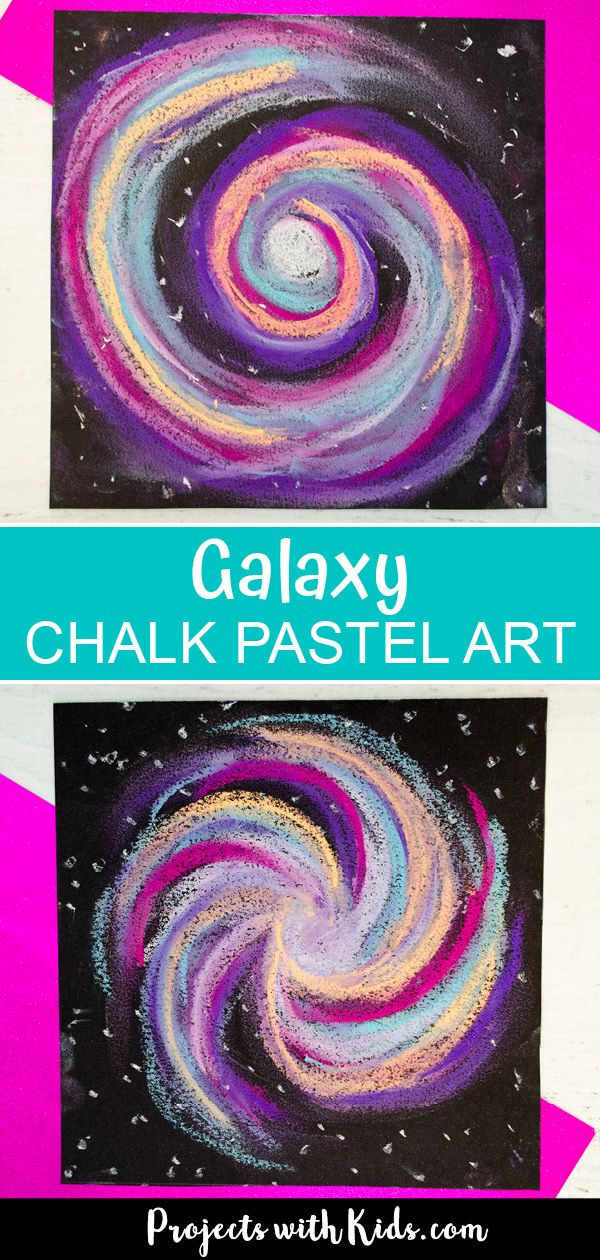


This emotional literacy helps kids understand and manage their feelings. It also provides a non-intrusive way for parents and educators to discuss emotions, helping children develop coping mechanisms and emotional intelligence. Remember, there's no right or wrong way to express feelings through art; it's all about the process and exploration.
Storytelling through Soft Pastel Art
Soft pastels can also be used to tell stories. Ask your child to draw their favorite book character, then have them incorporate that character into a new story, all done in pastels. They can create a series of images to illustrate their tale, promoting language development, sequencing skills, and creativity.
Storytelling through art is also a great way to encourage reluctant readers. It makes the process of creating a story fun and interactive. Plus, the colorful, engaging images can inspire a love for reading and art, fostering a lifelong appreciation for creative expression.
In the vibrant, tactile world of soft pastel art, kids can explore, learn, and express themselves freely. So, why not grab some soft pastels, a piece of paper, and let the artistic adventure begin? Who knows, you might just unleash the next pop-art sensation!
Related Articles

Thanksgiving Crafts for Kids: Fun & Easy Projects to Do Together
As the vibrant colors of autumn paint the landscape, there's no better time to celebrate family, gratitude, and creativity than Thanksgiving. Why not...

Kids' Drawing Truck Ideas: Easy & Fun Art Projects
If you're a parent or guardian looking for fun and engaging activities for your little ones, you might want to consider sparking their creativity through art...

Kids' Mitten Craft: Fun & Easy DIY Projects for Little Hands
Kids, with their boundless creativity and curiosity, love hands-on activities like crafting. One of the most accessible and fun projects for them is mitten...

Squirrel Cut Out Stencils: Easy DIY Projects for Kids & Adults
Ever felt the need to let your creative flag fly, but weren't sure where to start? Look no further than the humble squirrel cut out! This versatile crafting...

Easy Kids' DIY Wreaths: No-Fuss Projects
Shopping for a new wreath can be an expensive and time-consuming task, but what if you could create your own with the help of your kids? Making easy wreaths...

Diy Kids Craft Ideas: Fun & Easy Projects
Crafting memorable keepsakes with your little ones isn't just fun; it's a fantastic way to foster creativity andmotor skills. Embrace the joy of DIY kids'...