Skin Tone Hex Codes
The world of color can be complex, especially when it comes to representing skin tones. While we can easily describe colors like red, blue, or green, representing skin colors precisely can be a challenge. This is where skintone hex codes come into play. These six-digit numbers, prefixed with a #, are used to define colors in digital platforms, enabling a more accurate representation of skin tones.
In the vast spectrum of human skin colors, hex codes provide a convenient and precise method for web designers and digital artists to represent a wide range of skin tones. They open up possibilities for more diverse and inclusive digital representations, an aspect often lacking in technology due to its historical lack of diversity and inclusion.
Understanding Hex Codes
Hex codes are a compact way of specifying colors in the RGB (Red, Green, Blue) color model. Each digit in the pair represents the intensity of the corresponding color on a scale from 00 (lowest intensity) to FF (highest intensity).


The color corresponds to how much of each RGB component is used. So, a hex code like #FF0000, for instance, is fully red because both red and green are at their lowest intensity, and only red is at its highest.
Hex Codes for Light Skin Tones
For lighter skin tones, the RGB values are generally higher. For example, a light skin tone might be represented as #FFD6B3. This hex code indicates high red and low green and blue, which translates to a light, peachy skin tone.


Another lighter skin tone might be represented as #F8F9FA. This is nearly white, representing someone with extremely light skin, with high values for all RGB components.
Hex Codes for Darker Skin Tones
As you delve into darker skin tones, RGB values decrease. A medium skin tone might be represented as #777777, which is a dark gray, reflecting a mix of low to medium values for all RGB components.
A darker skin tone might be represented as #321400. This hex code indicates high brown and low blue, giving a dark, warm tone to the skin.


Importance of Skintone Hex Codes
The use of skintone hex codes is significant in making digital platforms more inclusive. It allows for a broader representation of diversity, going beyond the traditional narrow range of skin tones often depicted in media.
For instance, in the world of web design, the use of these codes can help to create more diverse avatars, icons, and other visual elements. They also have implications for user experience, potentially creating a more comfortable digital environment for a wider range of users.
Improving Diverse Representation
Realistic representation of diverse skin tones is not just about aesthetic accuracy. It contributes to inclusivity and normalizes diverse representations, making different races and ethnicities feel more represented and valued in digital spaces.


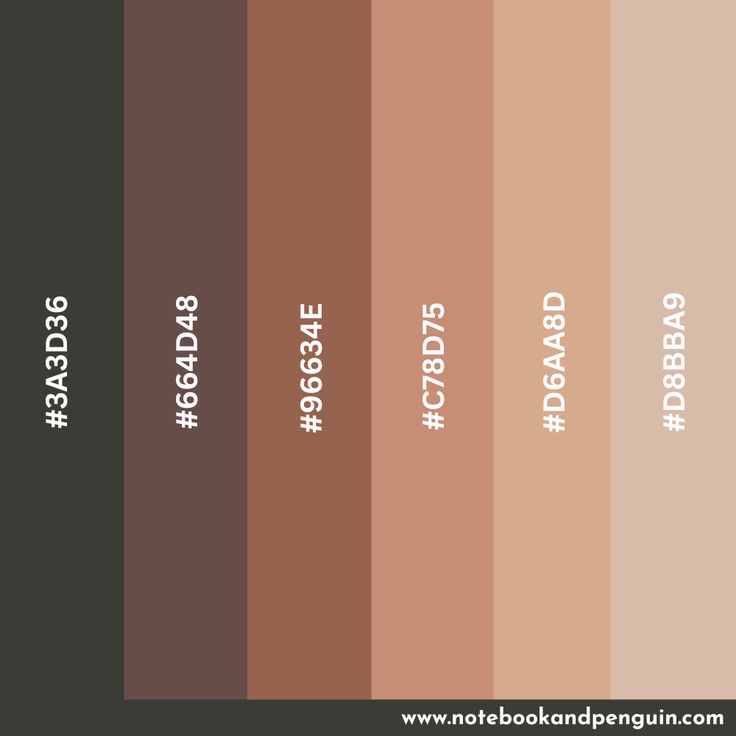


By providing the tools to accurately represent diverse skin tones, skintone hex codes are a step towards creating more inclusive digital environments. As our world becomes increasingly digital, this is an important aspect of societal progress.
In the grand scheme of digital evolution, skintone hex codes may seem like a small detail. But as we strive towards more inclusive digital spaces, they play a crucial role. By enabling us to represent skin colors accurately, they help create a more diverse, equitable, and inclusive digital world.
Related Articles
Generate Skin Tone Hex Codes
In the digital age, color codes have become as essential to web design as they are to software development. One such code, the Skintone Hex Code, has gained...
Skin Tone Colors & Hex Codes: Perfect Match Every Time
In the realm of graphic design and web development, colors are the lifeblood of visual communication. One of the most fundamental aspects of assigning color to...

Caucasian Skin Tone Hex Codes: Perfect Match Every Time
The term "Caucasian skin tone hex" often leaves people curious about its meaning and relevance in today's digitally interconnected world. It's not just a...
Skin Tone Hex Codes: Perfect Matching Made Easy
Imagine beautifying the digital world one pixel at a time. Skin tone hex codes, integral to web design, are instrumental in creating realistic and inclusive...
Skin Tone Hex Colors
In the digital landscape, color plays a pivotal role in communicating concepts and ideas. One aspect where color is crucial, yet often overlooked, is SKIN TONE...
Perfect Match: Find Your Olive Skin Tone Hex Code
When you're working with colors in graphic design or web development, you often encounter hex codes. These are six-digit numbers preceded by a hash (#) that...