Skin's Perfect Hue: Discover Your Unique Hex Code
Have you ever found yourself mesmerized by the vibrant colors of a high-end, digital artwork, or perhaps an eye-catching graphic on a trendy website? The rich, diverse, and seemingly limitless palette of colors we enjoy today is largely thanks to the humble hex code. But what exactly is it, and how does it work? Let's dive into the world of skin hex codes and uncover their role in the digital universe.
At its core, a hex code is a numerical representation of a color, providing a precise and universal way to communicate color information across different devices and platforms. The term "skin" in "skin hex code" refers to the human skin tones, a complex and diverse spectrum that designers strive to accurately represent in their digital creations. So, let's explore the fascinating realm of skin hex codes, their importance, and how they're used in digital design.
Understanding Skin Hex Codes
Hex codes are based on the RGB (Red, Green, Blue) color model, which is the standard for displaying colors on digital devices. In a hex code, each color component – red, green, and blue – is represented by two hexadecimal digits, or 'hex' for short. This results in a six-digit code preceded by a hash (#) symbol. For instance, #ffffff represents pure white, while #000000 indicates pure black.


Skin tones, on the other hand, are represented by a wider range of hex codes, mainly falling between #E3A1A1 (a light, peachy skin tone) and #5E3C23 (a deep, brown skin tone). These codes have been meticulously crafted to mimic the natural diversity of human skin tones accurately.
The Science Behind Skin Tones
Human skin color is primarily determined by the amount and distribution of melanin, a dark pigment produced by cells called melanocytes. Melanin ranges from low concentrations (resulting in fair skin) to high concentrations (dark skin). This varying melanin content is what gives rise to the wide spectrum of skin tones we see in the human population.


To create accurate skin hex codes, designers and color scientists have carefully measured and analyzed a wide range of human skin tones, determining the corresponding RGB values, and then converting these into hex codes. The resulting palette offers a diverse range that respects and represents the natural diversity of human skin tones.
Determining Your Skin Hex Code
If you're curious to know your skin's hex code, you can use an online color picker tool. These tools often employ a copy-and-paste functionality, allowing you to draw a color picker box over your skin in an image or video, and then copy the corresponding hex code. Alternatively, you can use a color spectrometer, a specialized device that measures light reflectivity to determine a color's composition.
However, it's essential to note that these measurements are not universally consistent, as individual skin color may vary based on factors like lighting, camera settings, and clothing. Additionally, these tools may not provide the most accurate results for darker skin tones, reflecting the need for further improvement and representation in this area.


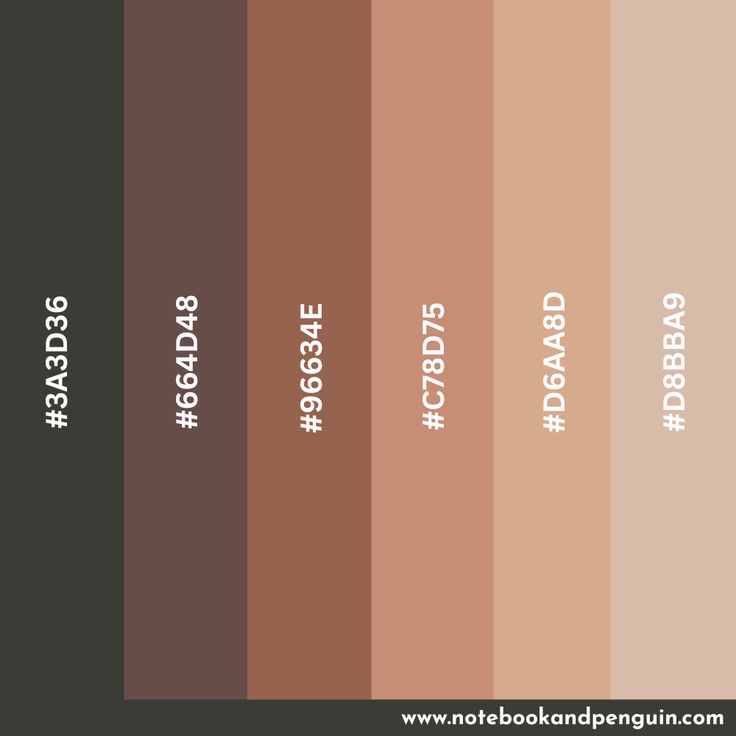
The Role of Skin Hex Codes in Digital Design
Skin hex codes play a vital role in digital design, allowing creators to represent diverse skin tones accurately and respectfully in their artwork, graphics, and virtual characters. This inclusivity is increasingly important in today's society, fostering a more diverse and representative digital landscape.
Moreover, skin hex codes are crucial in the creation of digital 3D models, avatars, and characters. By using specific skin hex codes, artists can create realistic and diverse characters that resonate with a broader audience. This is particularly important in gaming, virtual reality, and other industries where human representation is key.
Skin Tones in Web Design
In web design, skin hex codes help create visually appealing and engaging interfaces. By using accurate skin tones, designers can create more lifelike illustrations, icons, and avatars that enhance user experience and communication. Furthermore, incorporating a diverse range of skin tones can help make websites and other digital platforms feel more inclusive and welcoming to a broader audience.


When working with skin tones in web design, it's essential to consider the context and purpose of the design. For instance, a website targeting a global audience may require a broader range of skin tones, while a local or niche-specific site might focus on a more limited palette. Understanding and respecting cultural nuances is also crucial for designing inclusively and responsibly.
Skin Tones in Branding and Marketing
In branding and marketing, accurate skin tone representation is essential for creating relatable and engaging content. Incorporating diverse skin tones in advertisements, promotional materials, and other branding elements can help foster connection and resonance with a broader audience.
By using skin hex codes to represent diversity accurately, brands can signal their inclusivity and commitment to social responsibility. This can ultimately help build stronger relationships with consumers, fostering loyalty and positive brand perception. However, it's crucial to approach this aspect with care, ensuring that representation is authentic, respectful, and not tokenistic.
As we've explored, skin hex codes serve a crucial role in digital design, enabling creators to represent human diversity more accurately and inclusively. As our digital landscape continues to evolve, so too will our understanding and representation of skin tones, leading to a more vibrant, diverse, and equitable digital world. So, the next time you marvel at a beautifully designed artwork or website, take a moment to appreciate the depth and nuance of the skin hex codes that made it possible. And who knows, maybe you'll even spot your own skin tone within the digital canvas!
Related Articles

Perfect Match: Find Your Olive Skin Tone Hex Code
When you're working with colors in graphic design or web development, you often encounter hex codes. These are six-digit numbers preceded by a hash (#) that...

Royal Purple Hex Code: The Perfect Shade for Your Designs
In the dazzling spectrum of colors, one hue stands out as a symbol of royalty and prestige: Royal Purple. This captivating shade, often represented as the hex...

Sand Brown Hex Code: Find Your Perfect Neutral
When it comes to decorating and design, the color spectrum is vast and varied, offering a plethora of options to suit every taste. But what if you're after a...

"Discover Perfect Pastel Orange Hex Code"
Introducing a captivating color, we delve into the vibrant world of pastel orange hex #FFDD95. This soft, warm hue is not just a color, but a spectrum of...

# Rust Red Hex Code: Find Your Perfect Shade
The rust red hex code, #8B4513, is a captivating shade that adds a touch of warmth and vintage charm to any digital design or interface. In the vast landscape...

Unveiling the Universe of Color with Your Browse Tool: Discover Color Codes
Ever found yourself struggling to remember that perfect shade of green for your website's header? Or wished you could quickly match the exact color of your...