Sign Language vs ASL: Drawing the Differences
Sign language, a visual mode of communication, is a crucial tool for individuals who are deaf or hard of hearing. While most people associate sign language with physical gestures, there's a less known aspect: sign language drawing or SignWriting.
SignWriting is a unique system that transcribes sign language into a written form using a specific set of symbols and marks. This tool isn't just beneficial for preserving and documenting sign languages; it also opens up new possibilities for expressing signs in digital platforms and étape becoming more accessible.
Understanding SignWriting
To grasp SignWriting, it's essential to understand that it's not a language itself but a writing system for sign languages. It was developed in the late 20th century to provide a consistent and standardized way to represent signs in written form.


SignWriting uses a set of symbols, called 'signs', which represent hand shapes, positions, and movements. These signs, along with other marks representing facial expressions and body movements, create ascript that can be read to interpret the original sign.
Components of SignWriting
SignWriting comprises several components, each capturing a unique aspect of a sign:


- Handshape: Represents the shape of the hands used in a sign.
- Movement: Indicates the direction and type of movement made with the hands.
- Location: Denotes the starting and ending points of the movement relative to the body.
- Orientation: Shows the direction in which the palms of the hands are facing.
- Nonmanual markers: Represents facial expressions, body movements, and other nonmanual aspects that accompany a sign.
SignWriting Examples
Imagine signing "Hello". In SignWriting, it's transcribed as follows:
| Handshape | Movement | Location | Orientation | Nonmanual markers |
| Open B | Forward | Head | Palms facing out | Smile |
Here, 'Open B' represents the handshape, 'Forward' the movement, 'Head' the location, 'Palms facing out' the orientation, and 'Smile' the nonmanual marker.
The Impact of SignWriting
SignWriting has significantly impacted the sign language community and beyond. It provides a way to teach sign languages to hearing people, includes sign languages in literature and scripts, and preserves sign languages for future generations.


Moreover, it opens up new opportunities for sign language users online. It can be used to annotate videos, making them more accessible to the deaf community. It also facilitates Communication through written text, allowing sign language users to share their thoughts and ideas in writing.
SignWriting in Digital Platforms
With the rise of digital platforms, SignWriting has found new life online. Websites, apps, and virtual communities have embraced this system to make communication more inclusive.
One such platform is Sorenson SignWriting, an online dictionary and tool for creating and sharing SignWriting. It promotes the use of SignWriting, making sign languages more accessible to a broader audience.
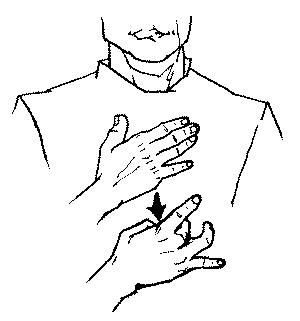


In conclusion, SignWriting is a powerful tool that bridges the gap between spoken and signed languages. By providing a consistent and standardized way to write sign languages, it opens up new avenues for learning, communication, and expression. As digital platforms continue to evolve, we can expect SignWriting to play an increasingly significant role in making the world a more accessible place for all users, regardless of their hearing ability."
Related Articles

Open Sign Language for Kids
Open sign language classes for kids have gained significant attention in recent years due to their numerous benefits. These classes expose children to a new...

"Learn 'Clock In' in Sign Language: ASL Gesture Tutorial"
The intricacy of communication transcends mere spoken language. Multifaceted forms such as sign language broaden our horizons, enabling silent conversations...

Learn Sign Language for Beer: Master Symbolic Pouring
Imagine you're at your favorite pub, the bartender slides you a frothy pint, and as you take a sip, you try to express your delight. But what if words fail...

Learn to Draw the Iconic Peace Sign Pose
The peace sign pose, an iconic symbol of unity and harmony, has transcended its original use as a political protest symbol to become a universally recognized...

Mastering Sign Language: The Complete Book
Dive into the vibrant world of non-verbal communication with our comprehensive guide to sign language books . These resources, siaoelled for both learners and...

Dentist Sign Language Guide
If you're hard of hearing or know someone who is, learning about dental care in sign language can be incredibly beneficial. Communication is key when it comes...