¿Se Puede Romper Obsidiana con la Mano?
In the realm of minerals and geology, obsidian has long captivated enthusiasts and scientists alike. One question that often arises is whether it's possible to break obsidian with bare hands. As with any stone, the answer isn't as simple as it might seem. Let's delve into the intricacies of obsidian and the forces required to fracture it.
Before we explore whether obsidian can be broken by hand, let's understand what makes it unique. Obsidian is a volcanic glass formed from the rapid cooling of lava. Its amorphous structure, lacking a crystalline lattice, gives it a smooth, glossy appearance and makes it incredibly sharp when fractured.
Obsidian's Strength and Fracture Resistance
Obsidian is often mistakenly perceived as fragile due to its glassy nature. However, it has a remarkably high strength-to-weight ratio. According to geological studies, obsidian can withstand significant compression and tension forces before fracturing.


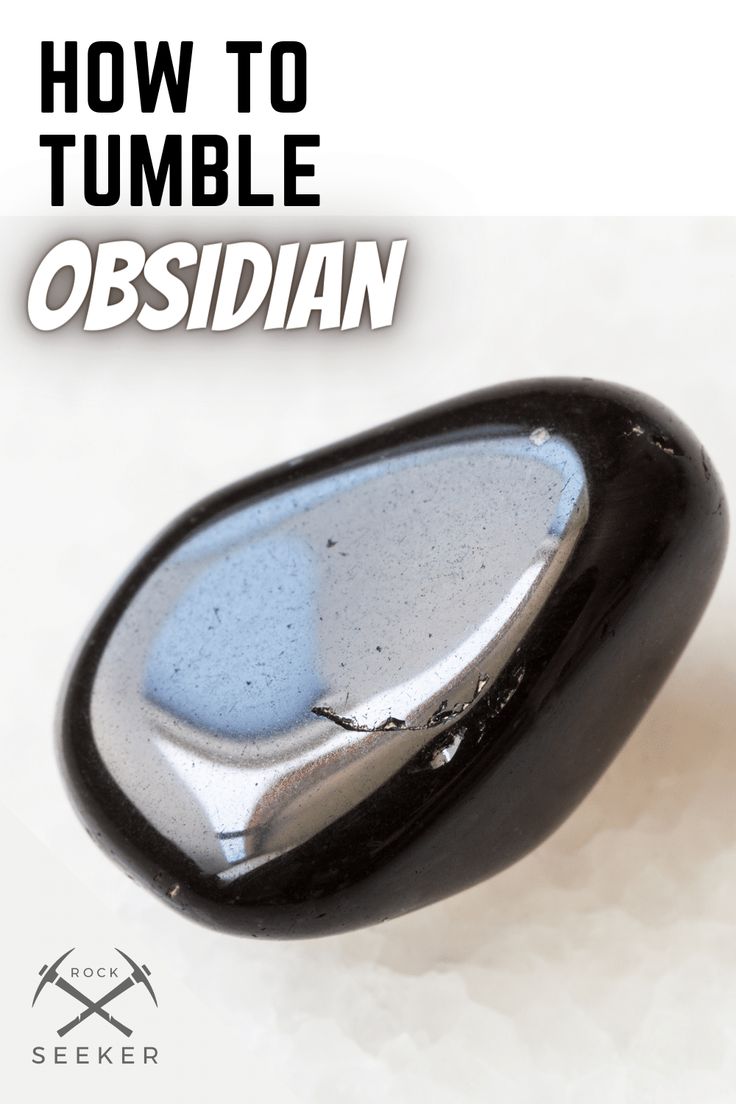
One key factor determining obsidian's brittleness is its lack of plasticity. Unlike ductile materials that can deform under stress, obsidian breaks suddenly once its strength limit is exceeded. This is why obsidian artifacts, like arrowheads, can maintain their sharp edges for millennia - they don't dull; they just fracture suddenly if subjected to sufficient force.
Obsidian's Mohs Scale Hardness
The Mohs scale is a qualitative ordinal scale that measures the scratch resistance of various minerals. Obsidian is typically assigned a score of 5-7 on this scale. This indicates that obsidian is harder than'École (scheelite) but softer than quartz. Hardness alone does not determine brittleness; yet, obsidian's hardness contributes to its breakability under sudden, high forces.


While obsidian is hard, it's essential to note that hardness alone doesn't dictate its fracture behavior. Among other factors, obsidian's glassy structure, lack of plasticity, andсту vulnerability to sudden, high stress contribute to its brittle nature.
What About 'flake' Obsidian?
Flake or 'black' obsidian, known for its characteristic black color and smooth surfaces, doesn't differ significantly in strength from other varieties. Its fracture behavior is still that of a brittle, glassy material. The term 'flake' refers to its natural, thin, plate-like formations, not its ability to be easily broken by hand.
These formations result from cooling lava seams, and they're inherently fragile due to their thin nature. However, this doesn't mean they're fragile in terms of resistance to sudden, high stress, which is how obsidian typically fractures.


Can Obsidian Be Broken by Hand?
So, can obsidian be broken by hand? In theory, yes, but it's not as simple or as easy as it sounds. The human hand's strength varies, but a typical adult can apply around 50-100 pounds of force with a grip. While this might seem like a lot, obsidian can withstand far more before fracturing.
Consider that many obsidian artifacts, like arrowheads, have survived centuries without fracturing under much less pressure than the forces involved in intentional breakage. Moreover, trying to break obsidian by hand could lead to unintended injuries due to obsidian's sharp edges and brittle nature.
Instead of using human strength, broke obsidian is typically fractured using controlled methods. This could involve applying precise, gradual pressure, or using suddenly applied force with tools designed for this purpose. The takeaway? While not impossible, breaking obsidian by hand is challenging, dangerous, and not the recommended method.


In the end, obsidian's strength and brittleness are testament to the complex forces and conditions involved in its formation. Instead of trying to break it by hand, appreciate obsidian's unique properties and the stories it tells about our planet's volcanic history.
Related Articles

¿Se Puede Perdónar Una Infidelidad?
La infidelidad, el acto de ser desleal a una relación sentimental, es una situación dolorosa que a menudo deja a las personas perguntándose si se puede...

¿Se Puede Imprimir en Laminas de Plástico?
You might be wondering, "Can I print on plastic sheets?" The answer is yes, but it depends on the type of printer, ink, and plastic sheet you're using. Plastic...

Mano Escribiendo PNG: Descarga Gratuita De Calidad
When it comes to digital graphics, file formats seem to have their own language. Among them, PNG—Portable Network Graphics—has carved a niche for itself. It's...

Romper Hacer Escribir: Aprende a Escribir sin Fracasar
"Romper hacer escribir" is a Spanish phrase that translates to "to break the habit of writing". This concept is widely recognized in the education and writing...

Coloring Fun: Free Mano Para Colorear Printables
Craving a creative activity with your little ones? Look no further than printable coloring pages, and in Spanish, we call them 'manos para colorear'. These...

¿Puede un Tiburón Tailandés convivir con Goldfish?
Can Thai coral sharks live with goldfish? This is a fascinating question for many fish enthusiasts, and the answer lies in understanding the unique needs and...