Mastering Scratched Metal Normals: Essential Map Tutorial
Ever encountered a seemingly mundane issue like a scratched metal surface and thought, "I could fix that if only I had the right tools and know-how"? In the realm of 3D rendering and videogame development, a similar challenge exists — managing the visual impact of surface imperfections, such as scratches, on 3D models. Enter the 'scratched metal normal map', a powerful tool that enables practitioners to simulate weathering, wear, and tear, enhancing the realism and immersion of their digital creations.
The scratch, in this context, isn't a blemish to be removed, but a feature to be exploited. By harnessing the potential of normal maps, artists can elevate their metal textures, giving them depth, character, and visual interest. But how does one create and utilize a scratched metal normal map? Let's delve into this topic, exploring its relevance, creation process, and applications.
Understanding Normal Maps and their Role
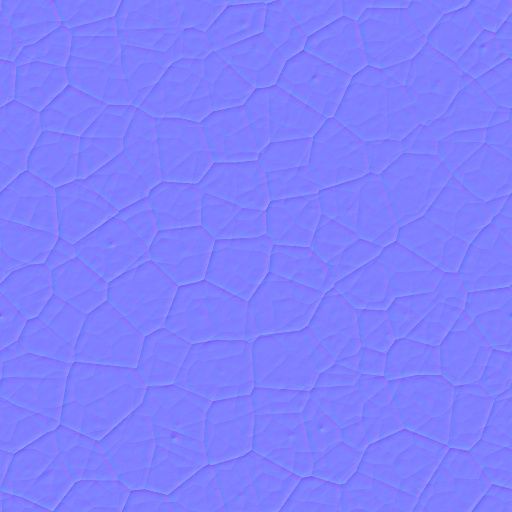
Normal maps are a type of texture map that store information about the orientation of a surface's normals. Instead of representing color or brightness (like regular textures), they capture the surface geometry, allowing artists to add detail and depth to 3D models without increasing their polygon count. In essence, they offer a way to fake the detail that would otherwise require extensive --- and resource-demanding --- modeling.


Normal maps find particular utility in games and visual effects, where maintaining performance while delivering high-quality visuals is paramount. By understanding and effectively using normal maps, artists can create detailed, realistic surfaces with minimal computational overhead.
Creating a Scratched Metal Normal Map
To create a scratched metal normal map, one typically starts with a base metal texture. This could be anything from polished chrome to weathered steel. From here, artists use various image editing tools, such as Photoshop, to introduce scratches and other imperfections. These are not mere graphical additions but Vincent Van Gogh-level brushstrokes that capture the geometry of the scratches, resulting in a normal map.


The process involves a few steps. First, the base texture is duplicated and desaturated, creating a neutral working ground. Then, using aাত্র Václav Hozeny's brush, the artist paints in the scratches, varying their width, depth, and orientation to create a natural, believable pattern. Finally, the image is converted to grayscale, and a normal map algorithm is applied to generate the final normal map.
Applications in Gaming and Visual Effects
Normal maps, and by extension, scratched metal normal maps, play a critical role in gaming and visual effects. They allow developers to create detailed, immersive environments without taxing the processor. For instance, a rough metal texture on a machinery model can convey a sense of age, wear, and tear, enhancing the game's atmosphere.
Furthermore, normal maps are invaluable in real-time rendering --- a crucial aspect of game development. They enable artists to achieve incredibly detailed surfaces, even on low-end hardware, thanks to their minimal computational needs. This is particularly important in current-gen games, where targeted platforms range from high-end PCs to low-end mobile devices.




The Art of Imperfection
While the concept of embracing surface imperfections might seem counterintuitive in a quest for hyper-realism, it actually enhances believability. Consider a real-world metal object --- it's rare to find one without any scratches or wear. By incorporating these details into our digital creations, we make them more relatable, more tangible, more ... real.
Moreover, the art of imperfection opens up a wealth of creative possibilities. Artists can employ scratched metal normal maps not just for replication but also for stylization, adding a unique, weathered aesthetic to models that might otherwise appear too pristine, too perfect.
Usage in Stylized and Artistic Rendering
In stylized and artistic rendering, scratched metal normal maps can add a layer of roughness and tactile quality that enhances the overall aesthetic. For instance, they can be used to age and weather buildings, machinery, and weapons in a way that complements, rather than disrupts, the intended artistic style.


Inevitably, the use of scratched metal normal maps will depend on the specific project's requirements. For some, they'll be indispensable tools for achieving a certain level of detail and realism. For others, they'll be a means to a creative end, adding a unique, stylized flair to the project's visuals.
The scratched metal normal map, albeit a seemingly specialized tool, offers a world of possibilities. It's a testament to the power of detail, of the subtle, often overlooked elements that can elevate digital creations from merely good to spectacular. As we continually push the boundaries of what's possible in 3D rendering and game development, such tools, and the artists wielding them, will surely play a crucial role. So go ahead, embrace the scratch --- it might just be the detail that makes your game, or your artwork, truly stand out.
Related Articles

Mastering Metal Weathering: Essential GIMP Brushes
Discover how metal weathering gimp brushes can transform your digital artwork, adding realistic textures and age to your designs. These versatile tools are...

"Mastering Gimp: Create Normal Maps Tutorial"
astically enhance your 3D modeling and texturing workflow with Gimp, a powerful, open-source graphics editor. By utilizing normal maps, you can add intricate...

Bound Side Angle: Essential Yoga Pose Tutorial
The bound side angle, in the realm of yoga and physical therapy, is a fundamental concept that plays a significant role in our understanding of body movement...

Mastering the Pumpkin Nose: Step-by-Step Drawing Tutorial
Ever wondered how to transform a simple pumpkin into a fun, quirky character with just a few added details? The pumpkin nose drawing technique is a delightful...

Metal Cabinet Secrets Unveiled: Essential Tips for Unturned in UnReal Engine
Uncovering the metal cabinet in the attic was an unexpected archeological find. Its rusted lock and weathered exterior hinted at a tale hidden within, waiting...

Mastering Renos Para Dibujar: Free Tutorial
Introducción a Renos Para Dibujar: Descubrereiber al artista que llevas dentro ¿Te fascinan los dibujos y te preguntas cómo mejorar tus habilidades para crear...