Rooster Fight Outline: A Step-by-Step Betting Guide
In the vibrant world of animal husbandry, one traditional practice that has gained both popularity and controversy is the rooster fight, often referred to as cockfighting. This practice, deeply rooted in various cultures, involves two roosters facing off in a ring, typically with artificial spurs attached to their legs, until one is declared the winner. As with any controversial topic, it's essential to delve into the history, rules, and cultural significance of rooster fights, while also acknowledging the ethical concerns surrounding them.
Rooster fights trace their origins back to ancient times, with evidence suggesting that these spectacles were popular among various civilizations, including the Romans, Greeks, and even the ancient Maya. In many cultures, these events were not just mere entertainment but also held symbolic significance, often tied to religious rites, warrior traditions, or displays of wealth and status.
Underground and Legalized Rooster Fights
Today, rooster fights exist on a spectrum from underground, often illegal operations to those conducted under legal frameworks. In some countries, organized rooster fights are legal and regulated, with specific rules governing the process. Conversely, many jurisdictions worldwide haveoutlawed these events due to animal welfare concerns.


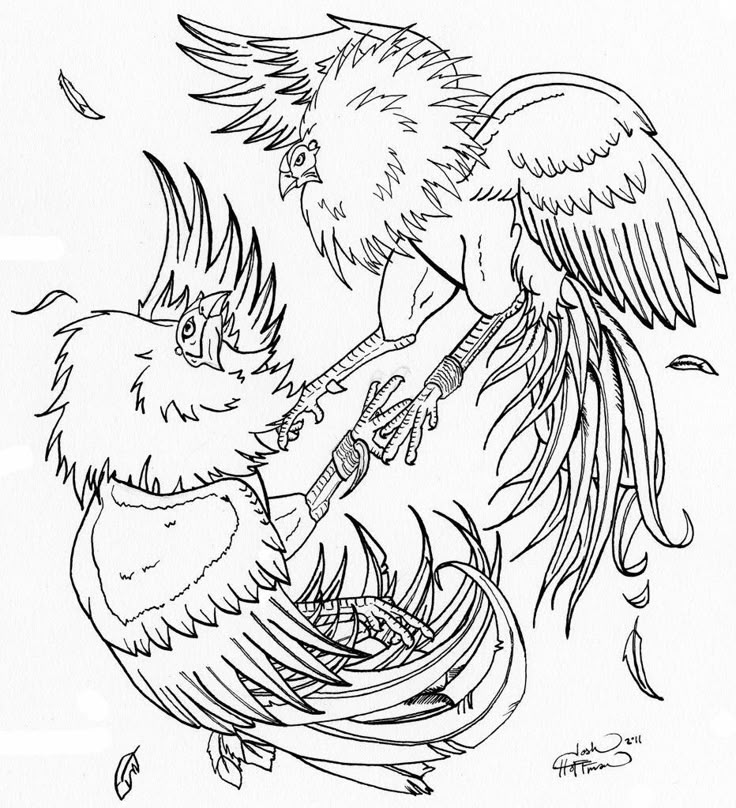
Understanding the differences between regulated and illegal rooster fights is essential. Legalized events often have strict rules and inspections to ensure the safety and well-being of the birds. Conversely, underground fights may have lesser regard for animal welfare, potentially leading to more severe injuries or deaths.
Rules and Regulations in Organized Rooster Fights
Organized rooster fights, when legal, operate under a set of established rules. These typically include requirements for the birds' health, the size and construction of the fighting ring, and the use of artificial spurs. SomeEvents also impose restrictions on the use of performance-enhancing drugs or illegal substances, promoting a fair and safe environment for the roosters.


One such regulation is the use of artificial spurs. These replace the natural, blunted spurs of roosters with sharp, pointed ones, attached via a leather or fabric glove. This design reduces injury risk to both birds and allows for more controlled, less fatal encounters. However, it's crucial to note that not all rooster fights adhere to these regulations, leading to varying levels of safety and animal welfare.
Training and Conditioning of Roosters for Fights
Roosters destined for fights undergo specific training regimes to prepare them for the ring. This usually includes regular exercise, a balanced diet, and sometimes even mock fights to toughen them up. It's important to note that the ethics of such conditioning practices has been challenged, with some advocating for softer, more cruelty-free methods of preparation.
Conversely, some argue that, similar to human athletes, proper training is necessary to ensure the roosters' health and performance. This stance, however, doesn't negate the inherent risks and ethical questions surrounding rooster fights as a form of entertainment.


Cultural Significance versus Ethical Concerns
The cultural significance of rooster fights varies greatly depending on the region and historical context. In some places, these events carry considerable emotional and economic weight, with deep historical and cultural ties to local communities. Yet, despite their cultural importance, rooster fights also spark ethical debates, particularly surrounding animal welfare and the morality of spectacles that necessitate animal suffering.
Animal welfare advocates argue that regardless of cultural or economic significance, rooster fights inherently cause suffering and injury to the animals involved. They promote stricter regulations or outright bans, emphasizing the need to protect all animals from unnecessary harm.
Advocating for Change and Alternatives
With the growing concern for animal welfare and ethics, some organizations and individuals are advocating for change in the rooster fight industry. This includes pushing for stricter regulations, better enforcement of existing rules, and even promoting alternative events that honor cultural traditions without harming animals.


For instance, 'fake' cockfighting using robotic roosters is being explored as a potential cultural replacement. While it may not replicate the whole experience for enthusiasts, it could help preserve aspects of the tradition while minimizing animal suffering. However, transitioning from traditional rooster fights to these alternatives might require considerable effort and cultural shift.
As the debate around rooster fights continues, one thing is clear: the future of this tradition lies at the intersection of cultural preservation, animal welfare, and ethical considerations. It's imperative to approach this topic with sensitivity, understanding, and a commitment to finding a balance that respects both cultural heritage and animal rights. As we move forward, let's hope that conversations about rooster fights lead not just to change, but also to a deeper appreciation for the complex role animals play in our cultures and societies.
Related Articles

Chicken Outline Art: Step-by-Step Guide & Templates
.detail Manitoba, Canada is the birthplace of an innovative and captivating art form: chicken outline art. This unique medium, pioneered by artist Murray...

How to Draw a Rooster: Step-by-Step Guide
Who hasn't wanted to capture the early morning spirit of a rooster's call with a sketch or painting? Drawing a rooster can be a fun and rewarding project...

Mastering Fight Poses: Step-by-Step Drawing Guide
Ever found yourself scratching your head, wondering how to draw those dynamic, engaging fighting poses that bring your artwork to life? Fret not, for we've...
Learn to Draw a Rooster: Step-by-Step Guide
Learn to draw a rooster? Yes, you can! With a little patience and the right guidance, you'll be sketching this farmyard favorite in no time. Let's dive into a...

Mexico Flag Drawing Tutorial: Easy Step-by-Step Guide
The Mexican flag, a symbol of national pride and history, is recognized worldwide for its vibrant colors and intricate design. The History Behind the Mexican...

Drawing Sugar Skulls: Step-by-Step Guide for Perfect Day of the Dead Art
How about adding a touch of sugar and spice to your art? Sugar skulls, or calaveras de azúcar, are iconic symbols of Día de los Muertos, a vibrant Mexican...