Rooste Fight: Anatomy of an Intense Bout
The phrase "rooste fight outline" might spark curiosity among those unfamiliar with the term, but it holds significant cultural and historical value in certain martial arts communities, particularly in Thailand. This guide delves into the fascinating world of Muay Thai, the art of eight limbs, focusing on its distinctive fighting styles, known as rooste. We'll explore the various rooste fight outlines, including their origins, unique characteristics, and applications in both competition and self-defense.
Before we dive into the diverse rooste fight outlines, let's provide some essential context. Muay Thai, a combative art form native to Thailand, integrates stand-up striking along with various clinching techniques. It leverages punches, kicks, knee strikes, and elbow strikes, earning its moniker, "the art of eight limbs." Its rich history dates back to ancient Siamese warfare, with evolutionary influences from other martial arts, including Lethwei, tomoi, and even Western boxing.
Classification of Rooste Fight Outlines
The term "rooste" refers to specific fighting styles, tactics, or philosophies within Muay Thai. These rooste fight outlines are often named after animals, monuments, or historical figures, with each embodying distinct principles. Understanding these classifications is crucial for appreciating the depth and complexity of Muay Thai techniques.


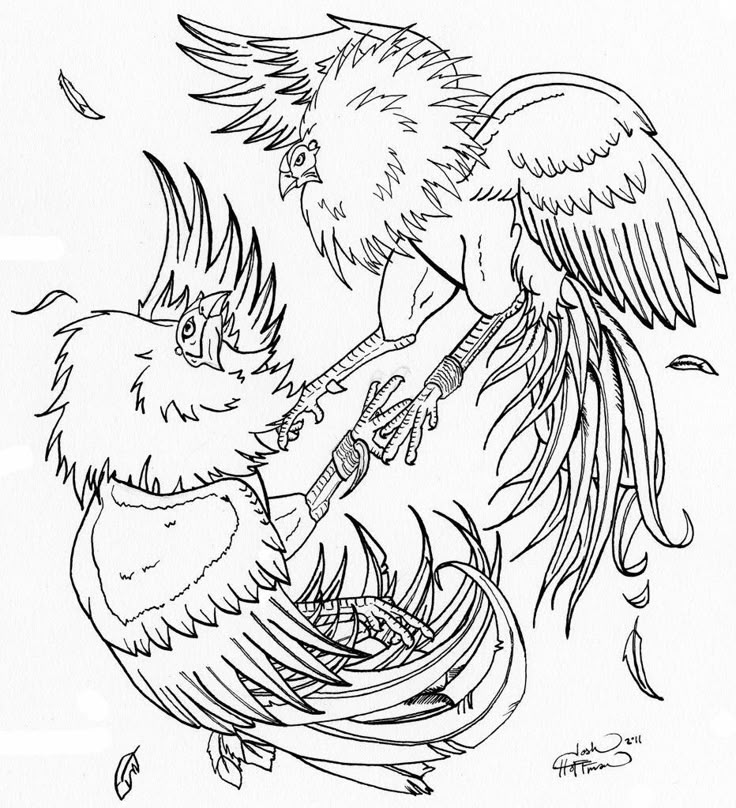
Rooste fight outlines can be broadly categorized into three primary groups, each with its unique characteristics and applications: Animal-based Rooste, Monumental Rooste, and Historical Figure-based Rooste. Let's explore these categories and their respective sub-topics in detail.
Animal-based Rooste
Animal-based rooste fight outlines mimic the strength, agility, or offensive strategies of various beasts, allowing practitioners to adopt varied fighting styles. Some prominent animal-based rooste include:


- Thow (Tiger) Rooste: Relies on explosive power and raw aggression, with heavy emphasis on close-range exchanges and close-quarters battles.
- Sok (Monkey) Rooste: Demonstrates agility, footwork, and evasiveness, favoring quick counter-attacks and flashy techniques.
- Malaipet (Crocodile) Rooste: Emphasizes grappling, clinch, and control, utilizing powerful hips and leg muscles to dominate opponents in close combat.
The diversity in animal-based rooste fight outlines enables practitioners to adapt to different situations and opponents, fostering a well-rounded skillset.
Monumental Rooste
Monumental rooste fight outlines draw inspiration from famous Thai landmarks, each representing robust defenses and strategic planning. Key examples of monumental rooste include:
- Phnom Rung (Phnom Rung Historical Park) Rooste: Characterized by strong defensive techniques and a focus on timing and counter-attacks, reflecting the ancient temple's resilience against time and elements.
- Prang Sam Yot (Three-Tiered Chedi) Rooste: Incorporates layered defensive structures and diverse striking techniques, mirroring the multiple tiers of the historic architectural marvel.
Mastering monumental rooste fight outlines helps practitioners develop an understanding of structure, patience, and strategic planning in Muay Thai.


Historical Figure-based Rooste
Historical figure-based rooste fight outlines honor influential figures in Muay Thai history, with each style reflecting a particular fighter's strengths, weaknesses, and unique techniques. Some notable historical figure-based rooste comprise:
- Nai Khanomtom (Father of Muay Thai) Rooste: Emphasizes fundamentals, technique, and conditioning, embodying the.iconic fighter's discipline and dedication to the art form.
- Samart Payakaroon (Master of All Styles) Rooste: Blends various fighting styles and techniques, reflecting the legendary fighter's versatility and adaptability in the ring.
Incorporating historical figure-based rooste fight outlines into training regimens provides practitioners with insight into Muay Thai's rich heritage and enables them to mimic the greats of yesteryears.
In conclusion, exploring the diverse rooste fight outlines within Muay Thai offers an in-depth understanding of the art's depth and versatility. By studying and incorporating these various styles, practitioners can expand their skillset, adapt to diverse opponents, and ultimately deepen their appreciation for this ancient combat form. Whether you're a seasoned Muay Thai practitioner or a curious enthusiast, embarking on the journey of discovery through rooste fight outlines promises an enriching and illuminating experience. So, gear up and step into the ring of appreciation, for Muay Thai's legacy of rooste awaits!


Related Articles

Pumpkin Anatomy: A crafted guide to the outline of a pumpkin
When the autumn air turns crisp and the leaves begin to fall, our thoughts naturally turn to pumpkins. More than just a seasonal symbol, pumpkins are versatile...

Acorn Anatomy: A Comprehensive Outline
The tiny, unassuming acorn, a nutritious staple in the diet of squirrels and other wildlife, holds a fascinating world within its hard shell. This minute...

Bearded Dragon Anatomy: A Detailed Outline
In the captivating world of reptiles, one species has captured hearts for their unique appearance and engaging behavior - the Bearded Dragon. Native to...

Mouse Anatomy: A Comprehensive Outline
The mouse, an essential peripheral device for most modern computers, is a marvel of engineering that has evolved significantly since its inception in the late...

"Quokka Anatomy: A Detailed Outline"
The quokka, a marsupial native to Western Australia, is renowned for its friendly and curious nature, making it an iconic symbol of the region. Found primarily...

Ninja Sword Outline: Mastering the Art of Anatomy
The allure of ninja swords, or shinobigatana, lies in their historical mystique and unique design. These ancient weapons were not merely tools for combat, but...