Mastering the Immaculate 'Finger Magic Trick Removal'
The art of magic tricks often lies in sleight of hand, misdirection, and psychological manipulation. One of the most captivating and seemingly impossible illusions in magic is the "Finger Magic Trick," where magicians appear to pull or remove parts of their fingers, often to the astonishment of their audiences. But how do they do it? In this comprehensive guide, we'll delve into the secrets behind this fascinating illusion, providing step-by-step explanations and revealing the techniques behind these mesmerizing tricks.
Before we begin, it's essential to understand that mastering any magic trick requires practice, patience, and a deep understanding of the principles at play. So, grab your favorite deck of cards, find a quiet space, and let's explore the world of finger magic tricks together.
The Art of Sleight of Hand
At the core of the Finger Magic Trick lies the fundamental principle of sleight of hand, which involves skillful manipulation of objects to achieve a desired effect while distracting or misdirecting the audience. To create the illusion of removing a finger, magicians usually rely on a combination of a false thumb or finger, along with various handling techniques.


Sleight of hand requires practice and precision, but with dedication, anyone can develop the dexterity and finesse needed to execute these deceptive maneuvers. By learning and mastering these techniques, you'll be well on your way to performing impressive finger magic tricks.
Understanding the False Thumb
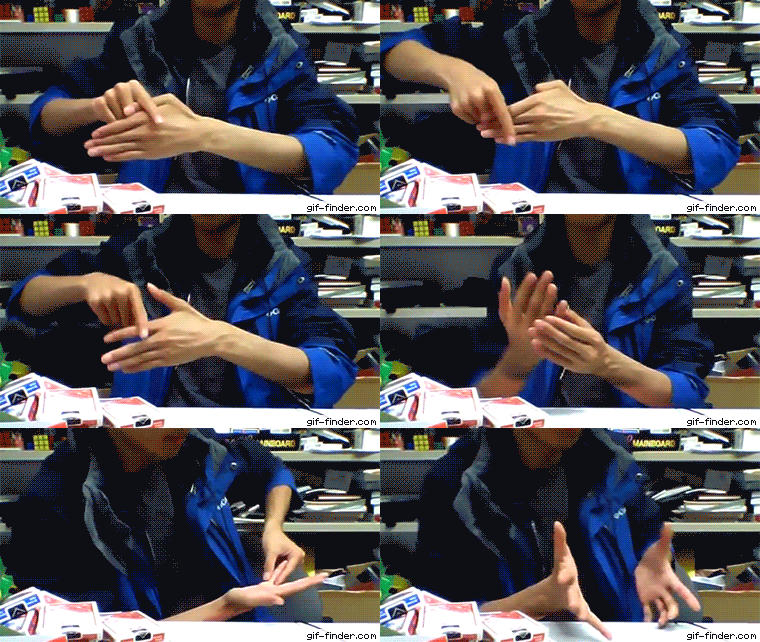
One of the most common methods used in the Finger Magic Trick is the false thumb. A false thumb is a prop resembling a human thumb but with a hollow interior that can conceal other objects, such as cards, coins, or other fingers. By skillfully manipulating the false thumb, magicians can give the appearance of removing their own finger or revealing a hidden object.


To create the illusion of removing a finger, the magician typically places the false thumb on their hand, palm facing the audience. With a swift and disguised motion, they can switch the false thumb for their real one, giving the impression that they've removed their finger. This simple but effective technique forms the basis for many finger magic tricks.
Mastering Finger Palming
Finger palming is another crucial skill in the world of finger magic tricks. This technique involves concealing an object, such as a card or coin, between the finger and the palm of the hand, making it virtually undetectable to the naked eye. By mastering finger palming, magicians can create the illusion of producing or vanishing objects at will, adding an extra layer of deception to their finger magic tricks.
To master finger palming, practice hiding various objects between your fingers and your palm. Experiment with different grips and holds until you find the one that feels most comfortable and natural. With practice, you'll be able to palm objects effortlessly and seamlessly, further enhancing your finger magic tricks.



The Misdirection and Psychology of Magic
While sleight of hand and skillful technique form the foundation of finger magic tricks, the art of misdirection and psychological manipulation are equally crucial in creating convincing illusions. Magicians use misdirection to draw the audience's attention away from the subtle movements and manipulations required to execute the trick, making it appear as if something truly impossible is happening.
One classic example of misdirection in finger magic tricks is the "magician's choice." By presenting the audience with an "honest" choice, such as selecting one card from a deck, the magician can guide the spectator's attention towards the selection process, allowing them to perform the required sleight of hand undetected.
Creating Misdirection with Eye Contact
Beyond physical misdirection, magicians can also utilize eye contact and body language to distract the audience. By maintaining eye contact with the spectator, you can create a sense of rapport and trust, making it more likely that they'll accept the illusion at face value. Conversely, breaking eye contact at the crucial moment can draw attention to the very movement you're trying to hide.


To master the art of misdirection, practice your tricks in front of a mirror or with a willing accomplice. Observe their reactions and adjust your performance accordingly. With time and experience, you'll develop a keen eye for recognizing and exploiting the subtle cues that reveal an audience's attention and skepticism.
The Psychology of Suggestion
The power of suggestion is another essential tool in the magician's arsenal. By subtly suggesting ideas or planting assumptions in the audience's mind, magicians can create a cascading chain of events that make the illusion seem even more convincing. For example, a magician might casually mention that they've had an accident recently, suggesting that the finger they appear to remove is the result of a previous injury.
By utilizing the psychology of suggestion, magicians can create a self-reinforcing narrative that makes the illusion seem more plausible. Understand that the art of magic is as much about manipulating perception as it is about manipulating objects, and you'll be well on your way to captivating audiences with your finger magic tricks.
As you continue to explore and master the world of finger magic tricks, remember that the key to any successful performance lies in the details. Obsess over the subtleties, refine your technique, and strive to develop a unique and engaging performing style. And most importantly, never forget the magic of bringing joy and wonder to those around you.
Related Articles

Removing Finger Trick: Step-by-Step Guide
The "removing finger trick," also known as "the thumb trick" or "the magic trick," is a common parlance for a painful finger condition. Despite its casual...

"Mastering Background Removal in GIMP"
Looking to remove the background of an image in GIMP but feeling overwhelmed? You're not alone! With its vast array of features, GIMP can sometimes seem...

Magic Eraser: Effortless Image Background Removal Service
Transforming an image into a stunning standalone graphic isn't always an easy task. Complex backgrounds can distract from the main subject, making it difficult...

Conjure Magic: Mastering Konga Drums in Wizard101
In the vibrant world of online gaming, particularly in the educational MMO phenomenon, Conga Drums in Wizard101 has emerged as a captivating blend of musical...

Master Rubber Band Long Sleeve Magic
As the name suggests, the "rubber band long sleeve trick" is a simple yet ingenious method to keep your long sleeves in place, preventing them from riding up...

DnD Tabaxi Sorcerer Guide: Mastering Feline Magic
Step into the mystical world of Dungeons & Dragons and delve into the unique synergy of the Tabaxi sorcerer, an enchanting combination of innate feline grace...