"Greek Powerhouse: Unforgettable Female Names"
In the rich tapestry of Greek mythology, numerous powerful female figures emerge, leaving an indelible mark on the cultural consciousness. These mythical personalities, each with a unique story and attribute, have been immortalized in countless artworks, literature, and historical accounts. Let's delve into some of the most powerful Greek female names, exploring their legendary tales and significance.
The Greek pantheon initially appears to be dominated by gods, but a closer examines reveals a myriad of formidable goddesses and mortal women who challenged, influenced, and sometimes even outshone their male counterparts. These powerful female figures offer compelling narratives that resonate across time and cultures.
Goddesses of Power and Might
The Greek pantheon is replete with goddesses embodying various aspects of power, making them some of the most revered and formidable entities in mythology.


Hera, the queen of the gods, is known for her unmatched influence over married life and the family bond. Often portrayed as jealous and vengeful, her rollercoaster relationship with Zeus reflects the trials and tribulations of ancient marriages, even in the divine realm.
Hera: Guardian of Marriages
Hera, daughter of Cronus and Rhea, is the titanic goddess of marriage and family. Her templum (bride-price) is perhaps the most crucial aspect of Ancient Greek marriages. She is also the patron goddess of the women, hence her other epithet, Macedna, meaning 'she who is good to marry.'

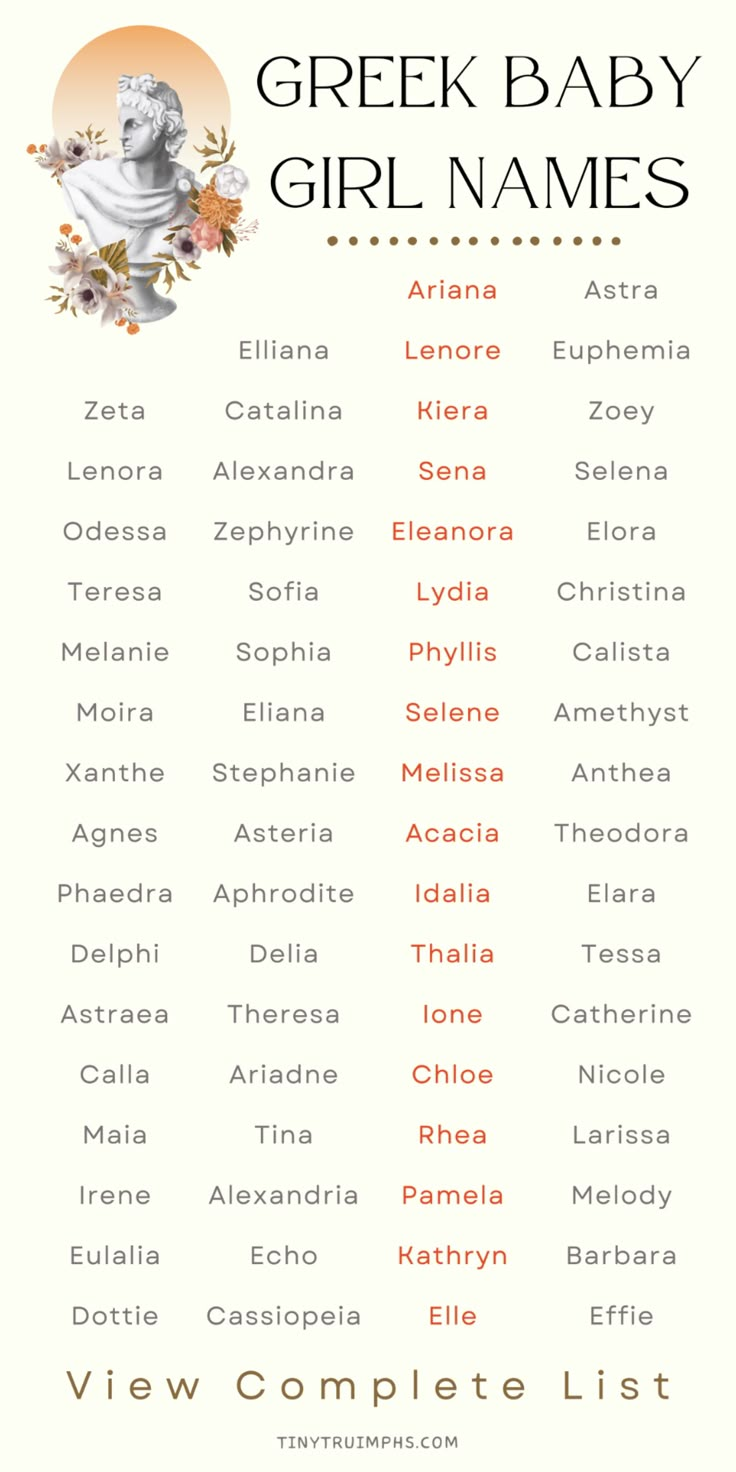

Her most famous myth involves her làke ch প্র ornament, the peacock. Hera, having being turned into a ayudgre, struggled to fly. Her tears of frustration fell to the earth and were transformed into peacock tails. Since then, the magnificent bird has been her attribute, symbolizing her unyielding spirit and beauty.
Hestia: Goddess of Hearth and Home
Hestia, youngest daughter of Cronus and Rhea, represents the divine essence of the family hearth. As a virgin goddess, she symbolized sexual purity and withdrawal from public life and political strife, choosing instead to tend to the sacred fire of the gods on Mount Olympus.
Unlike her siblings, Hestia shunned political power, her role as a nurturer being her primary focus. This trait echoes the simple resolve of mortal women who preferred hearth and home over political intrigue, making her a relatable figure to_OP women in ancient Greece.


Mortal Women of Greek Mythology
Mythological narratives also showcase numerous mortal women who, despite their human limitations, displayed extraordinary power and influence.
Clytemnestra, wife of Agamemnon and queen of Mycenae, is a complex character whose actions and motivations have spurred debate for centuries. Her role as a wife, mother, and political figurehead offers fascinating insights into the societal norms of ancient Greece.
Clytemnestra: A Tale of Power and Retribution
Clytemnestra's tale is one of defiance and retribution. When her husband, Agamemnon, sacrif_ed their daughter, Iphigenia, to secure fair winds for the Trojan War, Clytemnestra's heart turned to stone. She took a lover, Aegisthus, and, upon Agamemnon's return, orchestrated his murder in a bloody uprising that reshaped the political landscape of Mycenae.


Clytemnestra's story is a stark reminder of the price exacted by political ambition and the lengths to which a wronged woman may go in pursuit of justice. Her tragic end, at the hands of her own son Orestes, serves as a cautionary tale on the cyclical nature of violence and retribution.
Pentheus: A Tragic Downfall
Pentheus' tale, as told in Euripides' Bacchae, is one of hubris and tragic downfall. When the god Dionysus visits Thebes, Pentheus, the proud king, refuses to acknowledge his divine authority. In a fit of vengeful revelry, Dionysus drives Pentheus' mother and aunts mad, leading them to tear the king apart in a gruesome and perverse celebration of the god's powers.
Pentheus' tragic end serves as a stark reminder of the dangers of hubris and the futility of opposing divine will. His tale also echoes the ancient Greeks' fear of women's unbridled emotions and the chaos that could ensue when societal norms and expectations were disregarded.
Each of these powerful Greek female names tells a story of triumph, defiance, or tragic downfall, providing a glimpse into the complex societal norms and expectations of ancient Greece. Exploring these tales allows us to understand the cultural, historical, and philosophical context of ancient Greece, while also appreciating the enduring appeal of these captivating narratives.
Related Articles

Kanya Name Meaning: Divine and Powerful Sanskrit Names for Girls
Delving into the rich tapestry of ancient Indian culture, we find a treasure trove of meaningful names, especially among the beautiful girl names from the...

Saeed Name Meaning: Unveiling Its Powerful Symbolism
The enchanting name Saeed holds significant meaning, carrying a rich tapestry of cultural and historical significance. Whether you're a parent-to-be, curious...

AT&T Baby Girl Names: Unique & Innovative Ideas
Are you on the hunt for a unique and captivating girl's name that starts with the letter 'A'? You're in luck, as 'At and T' offers a compelling pick: Ada. This...

Reya Name Meaning: Unveil the Powerful Symbolism
The name 'Reya' is a captivating choice, rich in meaning and steeped in history. Derived from various origins, 'Reya' is not only a name but a journey into...

Manuel: Unique Baby Name with Powerful Meaning
Discover the enchanting and vibrant meaning behind the Manuel baby name, as we delve into its origins, variations, and fascinating history. Ideal for both boys...

Nikhil Name Meaning: A Powerful and Rich History
The enchanting name Nikhil, of Sanskrit origin, is a beacon of curiosity and intrigue, basking in the golden light of its rich historical and cultural...