Cop Prayers: Protecting & Serving
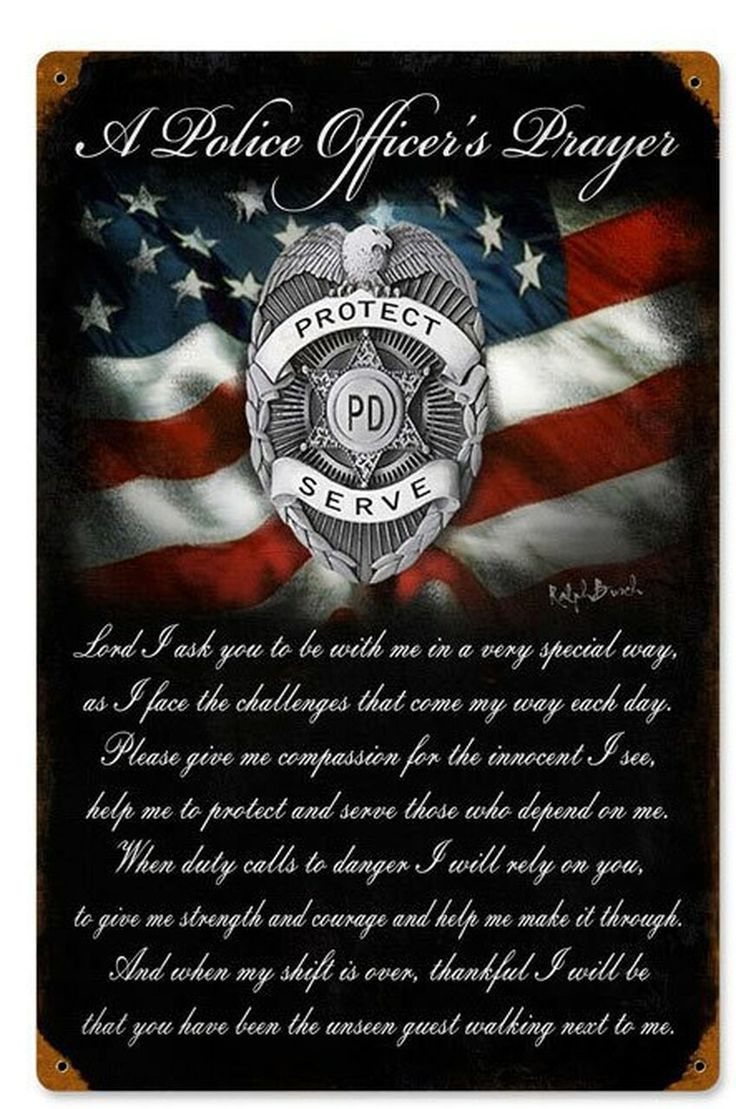
Police officers hold a unique and demanding role, requiring unwavering dedication and bravery. Routinely, these public servants face uncertainty and peril, which often calls for spiritual fortitude. Here, we delve into the profound practice of the police officer prayer, exploring its significance and prevalence among law enforcement personnel.
Unbeknownst to many, a robust tradition of prayer and spiritual reflection exists within contemporary policing. This practice provides an anchor of faith and solace amidst chaos and unpredictability, enabling officers to maintain composure and resilience in high-stress situations.
The Role of Faith in Policing
The intersection of faith and law enforcement isn't new. Throughout history, religious beliefs have sustained officers, guiding their actions and decisions. Today, the police officer prayer remains a vital tool, leveraged to cope with the pressures of the job and maintain moral clarity.


A 2018 study by the Pew Research Center revealed that 60% of U.S. police officers describe religion as very or somewhat important in their lives. This finding underscores the prevalence and relevance of prayer within police culture.
Prayer Before Patrol
Many officers start their shifts with a "prayer before patrol," asking for divine protection, wisdom, and strength. This ritual is not merely a recitation of words but a personal moment of connection with something greater than oneself.


Take, for instance, the tradition in some agencies where officers hold hands and pray together before starting their shifts. This communal practice fosters unity, mutual support, and a shared sense of purpose.
Embracing Faith Beyond Chapel Services
Beyond scheduled chapel services, officer-led prayer groups, and retreats, individual faith expression is also prevalent. Some officers wear symbols of their faith, like crosses or religious bracelets, which serve as touchstones during challenging times.
Faith also plays a role in debriefing and recovery. After traumatic events, officers may turn to prayer and spiritual reflection to process emotions, find peace, and prepare for the next duty shift.


Potential Challenges and Criticisms
While the police officer prayer brings numerous benefits, it's not without potential drawbacks. Critics argue that it can create a disconnect with officers who don't share the same faith beliefs. Moreover, excessive religious display in the workplace might be seen as inappropriate or divisive.
In response, many law enforcement agencies foster inclusive environments where spiritual expression doesn't compromise professionalism or respect for individual beliefs. However, balance and sensitivity remain essential in this complex area.
Handling Complaints and Concerns
Some agencies proactively address potential issues by clarifying expectations regarding religious expression in the workplace, encouraging respectful dialogue, and providing resources for staff with concerns. This approach helps maintain a rich spiritual culture without alienating those who hold different beliefs.




Annual or biennial training modules on diversity and inclusion also help reinforce these values. By fostering open communication and understanding, agencies can minimize conflict and ensure all officers feel valued and respected.
Ultimately, the police officer prayer serves as a powerful coping mechanism and source of guidance in the complex, demanding world of law enforcement. As long as it's practiced thoughtfully and inclusively, this ancient tradition will likely continue to provide strength and solace to officers worldwide.
Related Articles

Police Officer Clipart Transparent
In the realm of digital graphic design, the need for transparent images has become increasingly prevalent. This is especially true for sectors like branding...

Cyberpunk Police Officer Helmet
In the neon-lit, rain-soaked streets of cyberpunk cities, law enforcement officers are as much tech-engineers as they are peacekeepers. A testament to this...

Coloring Police Officer Images
Coloring pages featuring police officers have become an engaging and educational tool for both children and adults. These printables offer a unique blend of...

Colorful Prayers: Children's Coloring Sheets to Give
Enhance your child's prayer life with engaging, child-friendly prayer sheets that they can color and give to loved ones. These printable resources not only...

Katia Managan: Bravery in Blue - Police Officer Profile
Katia Managan, a prominent figure in the law enforcement community, has made significant contributions to the field of policing, particularly in the realm of...

Colorful Prayers: Free Prayer Coloring Pages for Kids
Dive into a world of tranquility and creativity with our enchanting collection of prayer coloring pages designed just for kids! Engage your little ones in a...