Plywood Boat Construction: Step-by-Step Plans & Tips
Embarking on the journey of constructing your own boat is an exciting challenge that combines craftsmanship, problem-solving, and the satisfaction of creating something resilient and beautiful. Plywood, with its strength, durability, and accessibility, has become a popular choice for boat construction. This article will guide you through the process of plywood boat construction, from selecting the right materials to launching your vessel.
Plywood is an excellent material for boat building due to its consistent, strong, and lightweight nature. It's made from thin layers of wood veneer glued together and pressed, creating a material that's exceptionally strong along its length and width. This suits boat construction perfectly, as the boats require strength to withstand forces from waves, wind, and the weight of passengers and cargo.
The Art of Choosing Materials
Selecting the right plywood is the first critical step in your boat-building journey. You'll want to opt for marine-grade plywood, which is made from pressures-treated lumber. This treatment protects the wood from rot, fungi, and insect damage. Additionally, ensure the plywood has the appropriate number of plies and a thickness suitable for your boat's design.


Other materials you'll need include fibreglass for reinforcement and waterproofing, epoxy resin for gluing and laminating, and signable nuts and bolts for assembly. Don't forget safety gear, tools, and basic protective clothing.
Understanding Marine-grade Plywood
Marine-grade plywood is specifically designed for use in marine environments. It's manufactured with exterior-grade glue, which is water-resistant and capable of withstanding the wet conditions characteristic of boats and other watercraft. The best marine-grade plywood has a minimum of five plies and is made from durable species like fir, cedar, or redwood.


If you're unsure about the grade of your plywood, look for stamps on the edges. The two most common stamps are APA (American Plywood Association) and PS (Product Standard). Marine-grade plywood will have a stress rating of at least "Exterior" or "Marine".
Additional Materials for a Successful Build
While marine-grade plywood forms the backbone of your boat, other materials are equally important. Epoxy is an essential component for laminating and gluing. It creates a strong, waterproof bond and reinforces the plywood. you'll also need fibreglass tape, which adds strength and reinforcement to seams and edges.
Don't overlook safety gear and protective clothing. These include gloves, safety glasses, a respirator for sanding and painting, and sturdy footwear. Also, ensure you have the necessary tools like a jigsaw, circular saw, drill, sander, paintbrushes, and a tape measure.

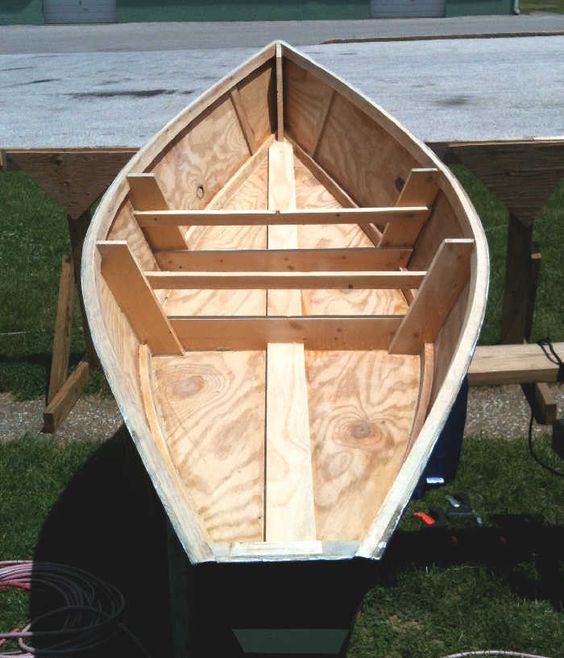


Design Considerations and Preparation
Before you begin cutting and assembling, it's crucial to have a detailed design of your boat. This will include the boat's size, shape, and specific design features. If you're a beginner, consider starting with a simple design, such as a flat-bottomed skiff or a traditional kayak.
Once you have your design, create templates or patterns for each piece of your boat. These will serve as guides for cutting your plywood. It's also a good idea to draw out the patterns full size, so you have a clear visual representation of your boat's design.
Scaling and Pattern Making
Scaling your boat design accurately is crucial for a successful build. This involves enlarging your design to the actual size of your boat using a method called lofting. You can do this manually with graph paper and a scale, or use software designed for boat design and construction.


Once your design is the correct size, create patterns for each piece of your boat. These patterns will act as templates for cutting your plywood. Use aapee-coated paper or cardstock for these patterns, as they will be exposed to moisture during the build.
Gathering Essential Tools and Equipment
Before you begin, ensure you have all the tools and equipment needed for your build. This includes saws like a jigsaw or circular saw, sanders, drills, clamps, paints, brushes, and safety gear. If you're working on a tight budget, consider borrowing tools from friends or purchasing cheaper, less powerful tools - you can always upgrade later.
Your workspace is also crucial. You'll need a large, flat area for laying out your pieces, cutting, and assembly. This could be a garage, shed, or an outdoor space. Ensure the area is well-ventilated and safe from moisture and extreme temperatures.
Building a boat from plywood is a rewarding journey that requires careful planning, precise execution, and a commitment to safety. With the right materials, a sound design, and a comprehensive understanding of the process, you'll find that creating your own boat is an achievable and satisfying goal. Happy building!
Related Articles

Plywood Boat Building: Step-by-Step DIY Guide
Embarking on a journey to build your own boat, particularly with plywood, combines the thrill of marine craftsmanship with the satisfaction of knowing you've...

Cricut Iron On Vinyl: Step-by-Step Guide & Tips
Transforming your creativity into tangible products has never been easier, thanks to innovative tools like the Cricut Explore Air 2 and the growing popularity...

Mastering the Classic: Step-by-Step Guide to Fold a Paper Boat
Have you ever found yourself by the water, longing for a pirates' life or a quiet moment on a tranquil lake? Here's a simple yet captivating activity to bring...
Master Origami Boat Instructions: Easy Step-by-Step Guide
Origami, the art of paper folding, has captivated people for centuries, allowing us to create intricate designs with just a single sheet of paper. Among the...

Learn to Make Paper Boats: Step-By-Step Guide
Ever dreaming of turning a regular piece of paper into a seafaring vessel? You're in luck! Crafting a paper boat is easy, fun, and can even teach children...

Design Rollercoaster Track Plans with These Step-by-Step Drawing Techniques
Diving into the thrilling world of amusement park engineering, few components are as captivating as the twists and turns of a rollercoaster track. But have you...