Pastel Green Hex Code: #A8E6CE - Find Out Why It's Trending
Have you ever found yourself straining your eyes over color charts, trying to pinpoint the perfect green for your web design project? Save yourself the hassle and bookmark this guide to pastel green in hex codes. We'll explore the world of pastel greens, their hex codes, and how to effectively use them in your digital or print projects.
But first, let's understand what makes a shade 'pastel'. Pastel colors are soft, muted hues, achieved by adding a large amount of white to a color. This dilutes the intensity, resulting in a delicate, demure tone. When it comes to green, pastel shades evoke a sense of calm, freshness, and nature - perfect for a variety of projects.
Pastel Green: Understanding the Shade
Pastel green sits at the lighter end of the green spectrum, bordering on yellowish or grayish tints. It's a versatile color that can convey growth, harmony, and tranquility. It's often associated with spring, nature, and renewal - making it a fantastic choice for celebratory or seasonal themes.


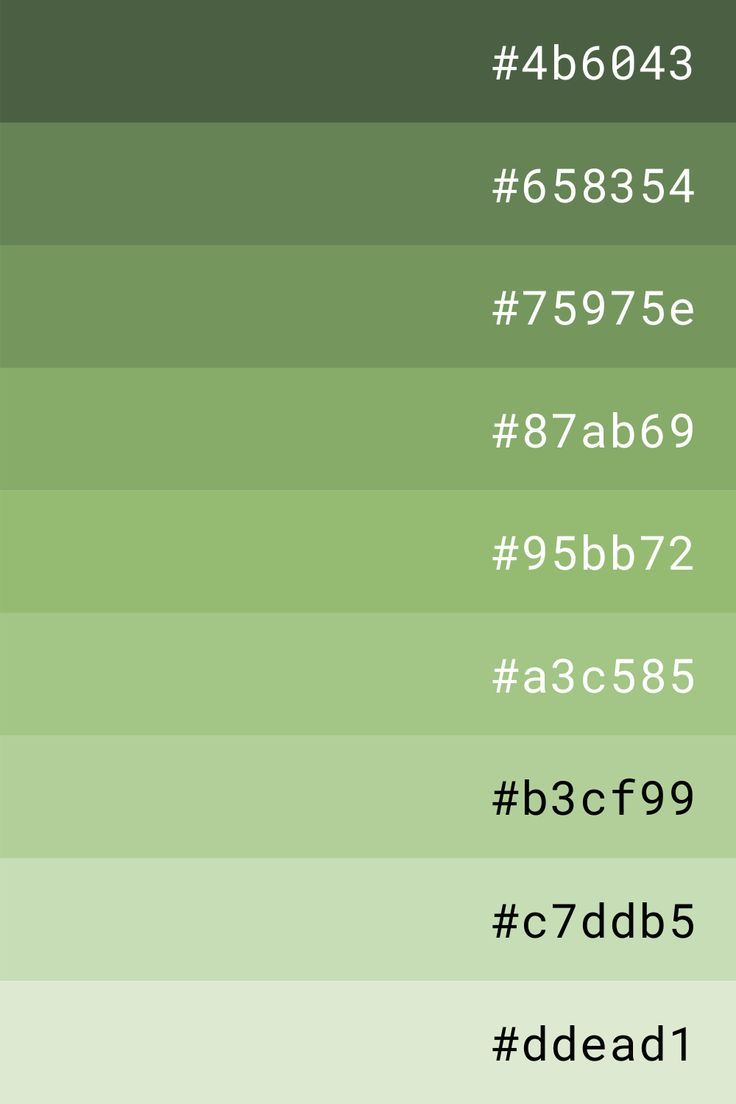
In the RGB and hex color models, pastel green is created by mixing low saturation with high luminosity. The resulting shade is a soothing, uplifting green that's easy on the eyes and adaptable to various design styles.
Hex Code for Pastel Green
The hex code for a common pastel green is #CDE2B7. This particular shade is achieved by mixing red (198), green (214), and blue (183) values in RGB. Here's how it breaks down in various color models:


| Color Model | Value |
|---|---|
| Hex | #CDE2B7 |
| RGB | (198, 214, 183) |
| CMYK | (16, 0, 15, 29) |
But remember, there's no one-size-fits-all when it comes to pastel green. Experiment with different shades to find the perfect one for your project. You might find #D5E8D4 or #D1F4D1 to your liking - both are popular pastel green shades with slightly different values.
Popping Pastel Green with Complementary Colors
To make your pastel green stand out, consider pairing it with its complement on the color wheel - red, or a shade close to it like burgundy (#8F2727). This creates a stark contrast that draws the eye and makes your green pop.
For a more subtle contrast, consider shades of blue or gray. Navy (#2C3E50) and charcoal (#36454F) can complement your pastel green beautifully, creating a serene, balanced scheme.


Using Pastel Green in Design Projects
Pastel green is versatile, making it a great choice for a variety of design projects. Whether you're designing a website, a brand identity, or a social media campaign, pastel green can bring a touch of freshness and calm.
Here are some ways to effectively use pastel green in your projects:
Designing for the Web
Pastel green can be a great choice for backgrounds, buttons, or accent colors in web design. To ensure accessibility, pairing it with high-contrast text colors is a must. #000000 (black) or #FFFFFF (white) are safe bets.


For example, you could use pastel green for your website's 'Contact Us' button, setting it apart from other elements on the page and guiding users to take action.
Branding and Logos
Pastel green can lend a playful, organic touch to your brand identity. It works well in logo designs, especially for businesses related to health, wellness, or sustainable products. Pairing it with a simple, sans-serif font can create a modern, professional look.
Consider using pastel green as a backing color in your logo, with your brand name written in a contrasting color for maximum readability.
Print and Packaging Design
In print media, pastel green can create a soft, inviting feel. It's perfect for product packaging, where it can suggest eco-friendliness, freshness, or high quality. To make your design pop, experiment with white space, bold fonts, or opposite colors on your packaging.
For instance, you could use pastel green as the primary color in your product packaging design, with black or white used for text and important details.
So, there you have it - a comprehensive guide to pastel green and its hex codes. Now you're equipped to use this lovely color in your next design project. Go ahead, experiment, and let your creativity flourish. Happy designing!
Related Articles

Mint Color Hex Code: #A0E6FF - Find Out Why It's Trending
The world of web design and digital aesthetics hinges on a myriad of elements, among which color plays an indispensable role. When it comes to color, the...

Find Perfect Pastel Gray Color Code
Indulge your eyes with the subtle sophistication of pastel gray. This delicate balance of white and black offers a soft, muted attraction that's as versatile...

Christmas Green Color Code: #Hex Value for Festive Designs
Adding a touch of green to your digital Christmas decorations? You're in luck! With the power of HTML and CSS, you can create vibrant, festive hues to bring...

Green Yellow Color Code
The green yellow color code, a harmony of vibrant green and sunny yellow, is a captivating blend that has a profound impact on our visual perception and...

Tuscan Red Color Code: Find Expert Hex & RGB Values
Ever found yourself captivated by the rich, earthy tones of Tuscany, Italy, and wondered how to replicate that warm, inviting hue in your own space? Welcome to...

Sand Brown Hex Code: Find Your Perfect Neutral
When it comes to decorating and design, the color spectrum is vast and varied, offering a plethora of options to suit every taste. But what if you're after a...