Pacific City Oregon Plants: Thriving Local Gardening Guide
The lush, verdant landscapes of Pacific City, Oregon, are a testament to the region's diverse and thriving plant life. With its mild winters and cool summers, the coastal climate of Pacific City supports a unique blend of native and introduced species, creating a vibrant tapestry of flora that captivates both locals and visitors alike. But what are the most fascinating plants that call this Pacific Northwest town home? Let's delve into the rich botany of Pacific City, Oregon.
Pacific City's plant life is as varied as its beautiful sights, from the towering Yaquina Head Lighthouse to the expansive Cape Kiwanda State Natural Area. This diversity stems from the town's microclimates, which are influenced by the Pacific Ocean and the surrounding hills and dunes. As a result, Pacific City hosts an array of plant communities, from the oceanic spray zone to the sprawling dune forests.
Native Plants of Pacific City, Oregon
Pacific City's native plants are not only integral to the local ecosystem but also contribute to the region's distinctive charm. These hardy, resilient species have adapted to the coastal climate, persisting through wind, salt spray, and dynamic sand dune systems.


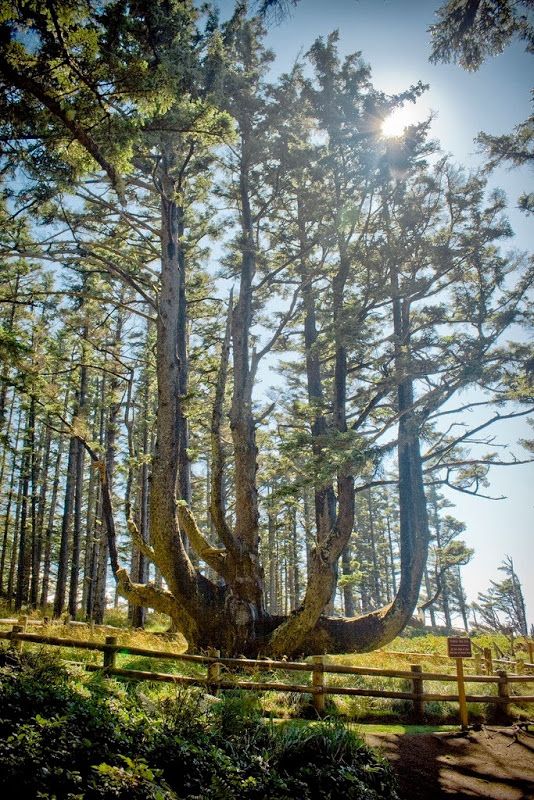
Many of these native plants are iconic to the Pacific Northwest, such as the showy Western Sword Fern (Polystichum munitum), which adds a lush, verdant touch to understory and forest edges. Another notable native is the Shore Pine (Pinus contorta 'contorta'), a hardy pioneer species that thrives in pamnicles and sandy soils, often displaying stunted growth due to the harsh coastal conditions.
Sea Stacks and Coastal Bluffs
The dramatic sea stacks and coastal bluffs of Pacific City are dominated by a distinctive community of salt-spray-tolerant plants, known as halophytes. These remarkable species have evolved mechanisms to cope with the persistent salt accumulation on their leaves, such as excreting excess salt through specialized structures called salt glands.


One such halophyte is the Beach Strawberry (Fragaria chiloensis), a common sight along Pacific City's beaches. This evocative plant features delicate white flowers and yields small, sweet, red fruits that served as an important food source for Native Americans and early settlers. Another notable resident of this zone is the Coast Rhododendron (Rhododendron mac Məlbhoum), which displays striking trusses of showy, magenta blooms in late spring.
Dune Forests
Pacific City's expansive dune forests are home to a diverse range of grasses and forbs, which play a critical role in stabilizing sand, preventing erosion, and supporting local wildlife. The dominant species in this community is the Dune Grass (Leymus mollis), a hardy perennial that forms extensive networks of rhizomes, trapping windblown sand and facilitating the development of dune topography.
Other noteworthy inhabitants of the dune forest include the volatile and fragrant Beach Evening Primrose (Camelina creativity), which sports vibrant, yellow blooms, and the delicate Sand Verbena (Abutilon litorale), which displays small, dusky-pink flowers that seem to float against the backdrop of слумndunes.


Introduced and Invasive Species
While Pacific City's native plants have created the foundation for a diverse and resilient ecosystem, the coastal town has also become home to a variety of introduced and invasive species. Some of these non-natives, such as the colorful Ice Plant (Delosperma cooperi) and the vibrant Turk's Cap Lily (Lilium lithophylum), have found niches within the manicured landscapes of Pacific City, adding to the town's visual appeal.
However, several introduced species have proven problematic, displacing native plants and altering the composition of natural communities. For instance, the aggressive Red-berried Elder (Sambucus racemosa) and English Ivy (Hedera helix) have been prolific in invading Pacific City's forests and dunes, outcompeting native flora and disrupting local ecosystems.
Managing Invasive Species
In response to the growing concern surrounding invasive species, Pacific City and its neighboring communities have undertaken various initiatives to manage and control the spread of non-native plants. These efforts include public education campaigns, targeted removal programs, and habitat restorations that emphasize native plant species.


By supporting local conservation organizations and participating in community-led projects, residents and visitors alike can play an active role in maintaining the integrity and biodiversity of Pacific City's unique plant life. With continued vigilance and care, the enchanting flora that distinguishes the coastal town can continue to flourish for generations to come.
Pacific City's Botanic Haven
Pacific City's botanical array is not limited to its natural habitats. Throughout the town, meticulously curated gardens and lush public spaces showcase a broad spectrum of plants, from hardy natives to exotic cultivars. These cultivated oases not only enrich the urban landscape but also serve as vital learning resources, providing insight into the region's nursery industry and gardening heritage.
Visitors to Pacific City can explore these verdant havens, such as the Rogue Brethren Nursery and the Cape Kiwanda State Natural Area's Pollinator Garden. These spaces offer an unparalleled opportunity to marvel at the region's flora, from the microcosm of a single, delicate flower to the sweeping panoramas of lush, vibrant ecosystems.
Indeed, Pacific City's plant life is a testament to the region's remarkable biodiversity and the intricately woven tapestry of life that exists within its coastal ecosystems. Whether admiring the delicate florets of a beach-dwelling halophyte or treading lightly through the emerald canopy of a dune forest, visitors and residents alike are invited to appreciate the captivating flora that calls Pacific City home. As the town continues to grow and evolve, so too does its commitment to preserving and celebrating the verdant tapestry that has come to define its coastal charm."
Related Articles

Understanding Plant Patterns: A Comprehensive Guide
Beneath the vast canopy of the natural world, plants have evolved intricate patterns that exemplify the beauty of rhythmic complexity. These patterns aren't...

Creating Thriving Gardens in Boxes: A Step-by-Step Guide
The charm of a garden lies not just in its sprawling expanse, but also in its ability to embrace the urban landscape, flourishing in spaces as small as a...

Weedmaps El Centro: Your Local Cannabis Guide
Cruising through the vibrant streets of El Centro, one can't help but notice the plethora of dispensaries that have sprouted up, each with their unique...

Vector City Maps: Your Guide to Urban Navigation
Cities around the world have evolved significantly over time, with their infrastructure, urban design, and population data becoming increasingly complex. This...

"Paw-some Furry Conventions in Oregon: A Furry Fan's Guide"
Nestled in the Pacific Northwest, Oregon has emerged as a thriving hub for the furry fandom, with a diverse range of conventions that cater to enthusiasts of...

Understanding Plant Seeds: A Fun Guide for Kids
Imagine you're in a vast, green garden filled with colorful flowers. You know what makes these beautiful plants grow? Seeds! Seed-producing plants are like...