Vintage Ornament Templates: Design Your Own Old-Fashioned Decor
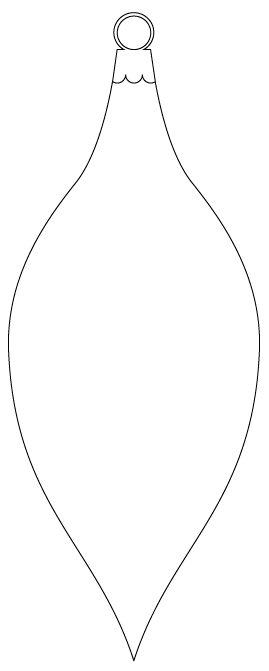
The old-fashioned ornament template, a timeless design element, has found resurgence in modern interiors, bringing a touch of nostalgia and elegance to contemporary spaces. These templates, once abundant in Victorian and Art Deco homes, boast an intricate, ornate aesthetic that adds depth and character to simplicity-driven today's minimalist decor.
The appeal of old-fashioned ornament templates lies in their ability to tell a story, reflect a by-gone era, and create captivating focal points. They coexist with sleek, streamlined furniture, becoming statement features that remind us of the artistry and craftsmanship of the past. Yet, these templates also possess a practical aspect; they're excellent for camouflaging architectural imperfections and adding texture to flat surfaces.
The Resurgence of Old-Fashioned Ornament Templates
Over the past decade, there's been a notable shift in interior design trends. The pendulum has swung from stark minimalism to maximalism, making way for opulent, elaborate embellishments like intricate patterns and lavish moldings. Old-fashioned ornament templates have emerged as unsung heroes, offering an antidote to the cookie-cutter, stark walls and bijou shapes that dominated the early 2000s.


Designers are now celebrating the humble ornament, embracing its ability to enhance the tactile appeal of a space. The trend is visible in grand historic restorations, residential interiors, and even commercial spaces, where it's employed to instill a sense of luxury and warmth.
Reviving Old-Fashioned Ornament Templates through Complex Geometry
One way to breathe new life into old-fashioned ornament templates is by utilizing complex geometry. Designers are incorporating intricate shapes, bold silhouettes, and stylized iterations of traditional motifs. This approach not only updates the conventional look but also introduces a dose of playfulness and unexpectedness to otherwise serious interiors.


A striking example is the use of Art Deco-inspired ziggurat patterns or futuristic, geometric interpretations of classic moldings. These designs showcase that even the most outdated template can be reinvented to thrive in contemporary spaces.
Embracing the Ornate through Modern Materials and Techniques
Another strategy to revive old-fashioned ornament templates is to embrace them wholeheartedly, employing them in their original, ornate glory. However, today's architects and designers are using modern materials and techniques to achieve this, making them more durable, eco-friendly, and aesthetically pleasing.
For instance, rather than carving moldings from heavy timber, designers can use lightweight, sustainable materials like polystone or resin. Or, they can opt for hand-painted ambiantes or metallic foils, which lend a richer, more lustrous appeal than traditional paint. Moreover, digital fabrication techniques, such as CNC routing and 3D printing, facilitate the creation of ultra-precise, compelling, and customizable ornaments.


The Joy of Mixing Old and New in Interior Design
Despite their resurgence, old-fashioned ornament templates aren't a one-size-fits-all solution. Tacky or too uniform application can lead to a space that feels false or forced. Thus, designers must strike a balance between old and new, maintain a sense of harmony, and create coherence.
A great approach is to use such templates judiciously, perhaps as an accent or a focal point, accompanied by more simple, clean elements. Alternatively, you can juxtapose ornate templates with sleek, minimalist features to create a striking contrast that highlights the beauty of both styles.
Less is More: Subtle Incorporation of Old-Fashioned Ornament Templates
The art of subtlety is key to effective ornament integration. Instead of covering entire walls, consider using ornate templates on a smaller scale. This could be on a fireplace surround, as a decorative detail on kitchen cabinets, or incorporated into the design of a furniture piece. A subdued tone or finish can also lesson the impact, creating an elegant rather than gaudy result.




For example, a simple geometric leaf or flower pattern on a wall sconce adds a touch of interest without overwhelming the entire room. Similarly, a small, ornate foot pedal for a retro-style dresser can evoke nostalgia without competing for attention with other design elements.
The Power of Textured Surfaces and Tactility
A final worthwhile tactic is to use ornament templates on textured surfaces. The combination of pattern and texture creates a rich, indulgent feel in a space. Materials like wood, stone, and brick provide the perfect canvas, adding a layer of depth and dimension.
Take, for instance, a richly textured brick wall featuring a subtle, intricate stencil pattern. The result is a space that feels both rustic and refined, displaying an artful blend of old and new.
In today's design renaissance, old-fashioned ornament templates are finding new life in modern interiors. By embracing their character, reimagining them through a contemporary lens, and using them judiciously, we can create spaces that are elegant, engaging, and Endless inspiration awaits those willing to explore the timeless appeal of these ornate emblems of the past.
Related Articles

Free Clock Face Templates: PNG Download - Design Your Own
The attractive symmetry and intricate designs of clock faces have been captivating us since time immemorial. Today, with the advent of digital art and design...

Perfect Cap Design Templates for All Occasions
Embarking on a journey to create striking caps that make a statement? The right cap design template is your sturdy compass. In a sea of generic caps, a...

Marble Hanging Ornaments: Stunning Designs for Your Home
Elevate your decor with the timeless elegance of marble. The marble design hanging ball ornament harmonizes traditional craftsmanship with modern aesthetics...

Miguel's Singing Ornament: Enhance Your Holiday Decor
Discovering the perfect ornament for your home can be a delightful journey, and unique pieces like the Singing Miguel Ornament certainly stand out. A...

Vintage Old-Timey Christmas Ornaments: Retro Decor for Your Holiday
Discover the enchanting timelessness of old-timey Christmas ornaments, where nostalgia meets the magic of the holiday season. These vintage decorations, with...

Ornament Cut Out Templates: Free Downloads & Craft Ideas
In the realm of DIY crafting and design, one tool that has gained immense popularity is the ornament cut out template. This simple yet powerful resource has...