Cornstarch Non-Newtonian Fluid Recipe: Make Flubber at Home
Ever heard of a substance that behaves like a solid until pressure is applied, then flows like a liquid? Welcome to the fascinating world of non-Newtonian fluids, with our star example being cornstarch and water mixture, famously known as "oobleck". Let's dive in and explore this captivating concept with a DIY non-Newtonian fluid cornstarch recipe.
Non-Newtonian fluids challengeSir Isaac Newton's classical model of viscosity, where a fluid's resistance to flow is directly proportional to the rate of shear. They exhibit unique properties, such as becoming thicker or more distorted under stress, unlike typical fluids like water or oil. Today, we'll harness the power of cornstarch and water to create our very own non-Newtonian fluid in the kitchen.
Understanding Non-Newtonian Fluids
Before we get hands-on, let's grasp the fundamentals of non-Newtonian fluids. They're classified into two main types: dilatant and pseudoplastic. Our cornstarch mixture falls under the dilatant category, which becomes thicker and more viscous under stress or shear. This is due to the Horn acting as a weak but extensive network of entangled molecules that thicken when squeezed.


For school science experiments or mind-blowing party tricks, it's essential to understand how non-Newtonian fluids react. For instance, attempting to pour oobleck quickly results in a rush of fluid, while steadily applying pressure turns it solid-like!
Cornstarch: The Magic Ingredient
Cornstarch, a common kitchen pantry staple, is our key ingredient for creating a non-Newtonian fluid. It's a fine, white powder derived from the endosperm of corn, containing long chains of polysaccharides that absorb water and thicken when pressure is applied. It's this unique property that makes cornstarch perfect for our oobleck creation.


When mixed with water, cornstarch particles interlock and form a network, trapping water molecules between them. This network breaks and reforms as you apply pressure, causing the mixture to behave unlike conventional fluids. Let's harness this supernatural power with our step-by-step guide.
Choosing the Right Consistency
Finding the perfect consistency is vital for creating a reliable non-Newtonian fluid. Too much water results in a soggy mess, while too little cornstarch makes it lumpy and underperforms. Start with a 1.5:1 ratio of cornstarch to water, adjusting as needed to achieve your desired consistency.
Here's a simple guide to help you fine-tune your mixture:


- Thinner mixture (/<2 ratio): flows like liquid but remains runny, lacking the solid-like properties under pressure.
- Ideal mixture (~/1.5:1 ratio): offers the perfect balance, solidifying under sudden impact and flowing when relaxed.
- Thicker mixture (>/1.5:1 ratio): becomes incredibly viscous and heavy, possibly requiring more water to achieve desired effects.
Creating Your Non-Newtonian Fluid Cornstarch Recipe
Armed with knowledge and the perfect cornstarch-to-water ratio, let's dive into creating your non-Newtonian fluid masterpiece. This simple, engaging, and highly recommended experiment requires only two ingredients and minimal effort.
Gathering Materials
Before you begin, ensure you have the following materials on hand:


- Cornstarch
- Water
- A large mixing bowl or container
- Spoon or spatula for stirring
- An extra bowl or plate for testing
Mixing Your Oobleck
Start by adding 1.5 cups of cornstarch to your bowl. Begin slowly adding water, mixing as you go, until you reach your desired consistency. Aim for a putty-like texture that holds its shape when squeezed but flows when relaxed.
Pouring water into your cornstarch and letting it absorb is an excellent method to achieve the right consistency. As you add water, mix it in thoroughly, and assess the texture. Be patient; it might take some tweaks to get it exactly right.
Once satisfied with your mixture, it's time to test and marvel at your incredible creation!
Testing Your Oobleck
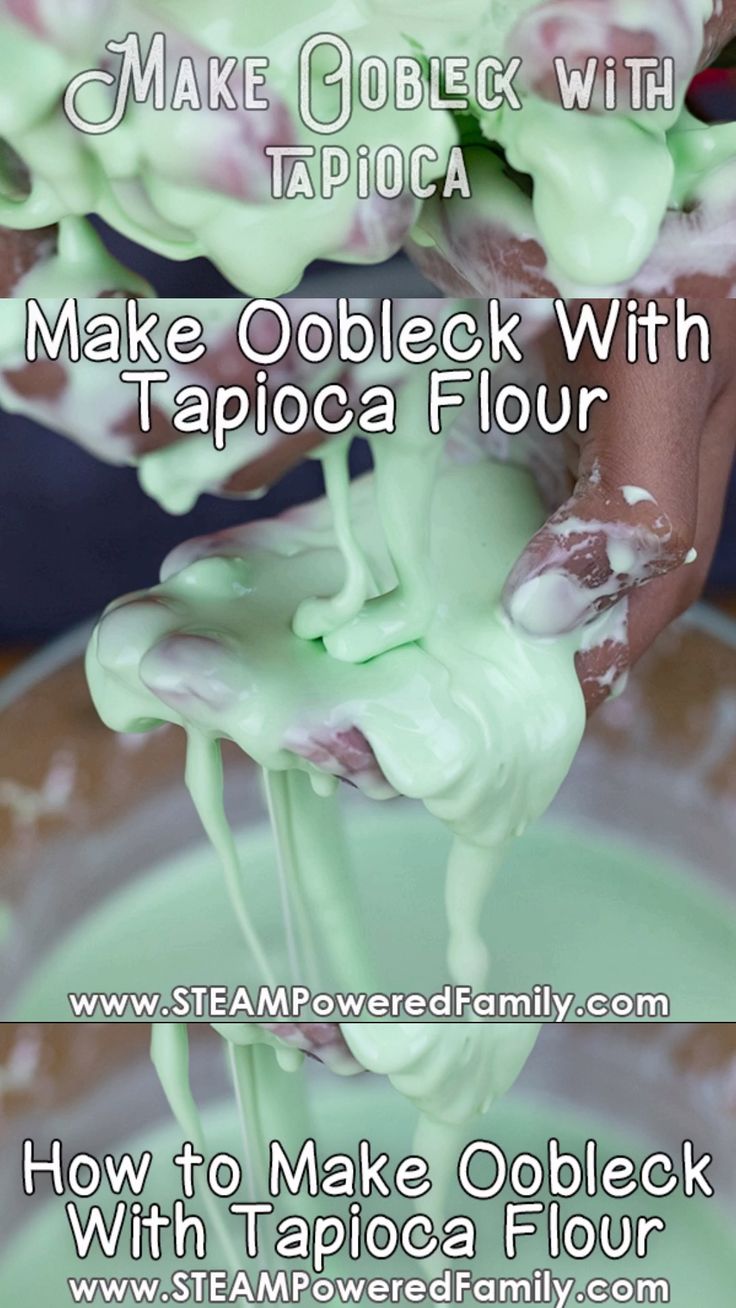
To verify your non-Newtonian fluid properties, gently cup some oobleck in your hand. Notice how it maintains its shape, acting solid-like. Now, try to squeeze it quickly. What happens? It should suddenly flow like a liquid, banishing the solid form!
Place some oobleck on a surface and try to move it with another object, like a spoon or your finger. It should exhibit unique properties, resembling both solid and liquid states. Have fun exploring the quirks of your non-Newtonian fluid!
Continuous experimentation and refining your oobleck recipe will yield the most satisfying results. Encourage creative play, questions, and fascination as you delve deeper into the world of non-Newtonian fluids.
As we bid farewell to our exploration of cornstarch non-Newtonian fluid, we leave you with a thought: imagine the powders, liquids, and gels lurking in your kitchen that could unlock similar astounding behaviors. The journey of scientific discovery awaits, and the best part? You're already well-equipped with knowledge and basic ingredients to start your adventure. Happy experimenting!
Related Articles

Cornstarch & Water: The Homemade Non-Newtonian Fluid
When cornstarch and water are mixed, they don't form a liquid like you'd expect with most other substances. Instead, the result is a fascinating and unique...

DIY Cornstarch: Easy & Fun Recipe at Home
Have you ever found yourself reaching for that box of cornstarch in your pantry, only to realize it's empty? Rather than rushing to the store, why not make...

Flubber Recipe: Make Slime with Borax and Glue at Home
If you've ever seen the classic 1961 film "The Absent-Minded Professor" or its 1997 reboot "Flubber," the green, rubbery substance that causes chaos and...

Baked Samosa Recipe: Crispy & Healthy, Easy to Make at Home
Discover the delightful fusion of Indian spices, crispy pastry, and mouthwatering potato filling in this classic Baked Samosa Recipe. Indulge in a healthier...

Wonton Soup Recipe: How to Make Your Own at Home
Indulging in a warm bowl of wonton soup is an experience that transcends cultures and seasons. This comforting dish, popular in many Asian cuisines, is a...

"Easy, No-Borax Clear Slime Recipe: Make Your Own Clear Gel at Home"
Is your little one obsessed with slime but you're worried about the use of borax? You're not alone. Many parents are looking for alternative recipes to create...