Nice in Sign Language
Exploring the intricacies of communication can lead us down fascinating paths, one of which is American Sign Language (ASL). Central to this journey is learning signs like "nice" that enrich our understanding and appreciation of non-verbal communication.
ASL, much like spoken languages, has a rich vocabulary and unique grammar, making it a profound and sophisticated means of expression. Let's delve into the sign for "nice" in ASL, its cultural significance, and how one can incorporate it into their vocabulary.
Understanding the Sign for "Nice" in ASL
Begin by holding your non-dominant hand in a relaxed, flat posture, palm facing you, with your thumb and index finger lightly touching, forming a small circle. This is the starting position for the ASL sign for "nice".


Now, with your dominant hand, gently touch the fingertips of your dominant hand to the fingertips of your non-dominant hand, as if feeling the texture of the imaginary circle. This simple yet expressive motion conveys the meaning of "nice" in ASL.
Distinction from Other Similar Signs
ASL has signs for various adjectives that convey different qualities. The sign for "nice", for instance, should not be confused with signs like "good" or "happy". While there are some overlaps in meaning (like when describing pleasant experiences), each sign carries its unique connotations.


For example, while "nice" generally refers to something agreeable or pleasant, "good" might imply moral righteousness or aptitude. Thus, learning and differentiating these signs enhance your ASL proficiency and nuanced understanding of culturalexpression.
Cultural Significance and Etiquette
The sign for "nice" in ASL, like any other sign, is deeply rooted in Deaf culture. It's essential to remember that ASL is not merely a visual representation of spoken English but a separate, robust language with its syntax, grammar, and cultural underpinnings.
Using signs respectfully and accurately not only communicates your message effectively but also shows your appreciation for and engagement with the Deaf community. This understanding fosters inclusivity and bridges divides, making learning ASL an enriching experience.


Incorporating "Nice" in ASL Conversations
Mastering the sign for "nice" is a significant step in your ASL learning journey. However, it's crucial to practice using it contextually in sentences to convey meaning accurately. For example, you might say, "The weather is NICE today" or "Your new camera is NICE!"
Remember, signs in ASL are accompanied by facial expressions and body language, enriching the communication experience. So, go ahead, use "nice" with an enthusiastic nod or a smile, and watch your conversations bloom!
Practice and Learning Resources
There are numerous resources available to help you master the sign for "nice" and expand your ASL vocabulary. Look for authentic ASL learning resources, ASL dictionaries, and practice with native signers whenever possible.


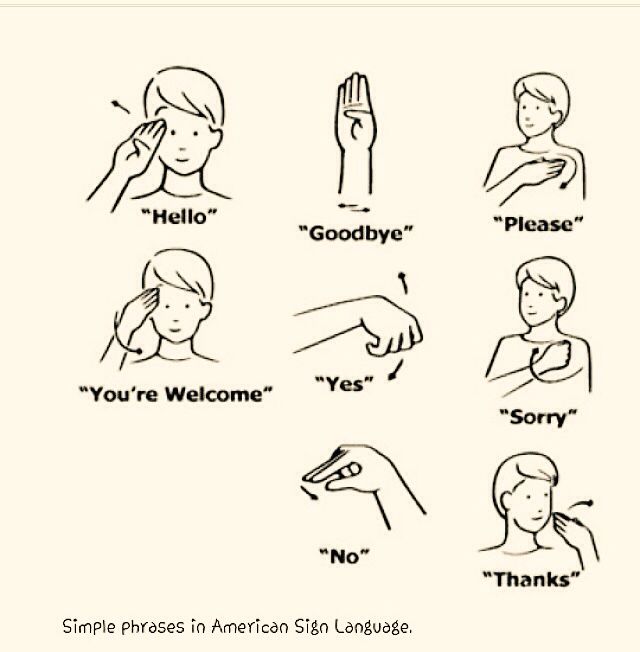


Consider joining ASL clubs, taking classes, or using online platforms dedicated to ASL learning. The more you practice, the more comfortable and confident you'll become in using and understanding ASL signs like "nice".
Embracing the sign for "nice" in ASL isn't just about learning a new language; it's about opening up to a new culture, a new way of communicating, and new connections. So, keep signing, keep learning, and enjoy the journey!
Related Articles

Open Sign Language for Kids
Open sign language classes for kids have gained significant attention in recent years due to their numerous benefits. These classes expose children to a new...

"Learn 'Clock In' in Sign Language: ASL Gesture Tutorial"
The intricacy of communication transcends mere spoken language. Multifaceted forms such as sign language broaden our horizons, enabling silent conversations...

Learn Sign Language for Beer: Master Symbolic Pouring
Imagine you're at your favorite pub, the bartender slides you a frothy pint, and as you take a sip, you try to express your delight. But what if words fail...

Mastering Sign Language: The Complete Book
Dive into the vibrant world of non-verbal communication with our comprehensive guide to sign language books . These resources, siaoelled for both learners and...

Dentist Sign Language Guide
If you're hard of hearing or know someone who is, learning about dental care in sign language can be incredibly beneficial. Communication is key when it comes...

"Sign Language Halloween: ASL Costumes, Signing Carve Out Fun"
As the leaves turn and the air grows crisp, All Sign Language (ASL) enthusiasts and Users start pondering on creative ways to incorporate their first language...