Newborn Boxer Puppies: First Moments of Joy
Welcoming a new boxer puppy into your home is an exciting time, filled with adorably clumsy moments, boundless energy, and a lifetime of loyal companionship. These puppies, with their distinctive fawn and brindle coats, large ears, and courageous expressions, are a joy to behold. However, as responsible pet owners, it's crucial to understand their unique needs, behaviors, and care requirements to ensure a smooth and happy integration into your family.
The boxer breed is known for its vibrant, energetic, and playful nature. As puppies, they are no different. Born lively and curious, these little ones are always eager to explore their surroundings. They will quickly become the center of your family's universe, with their amusing antics and heartwarming displays of affection. But with their high energy levels comes a need for adequate exercise, mental stimulation, and proper socialization, all of which are essential for raising a well-balanced, well-behaved adult dog.
Understanding Boxer Puppy Development
Boxer puppies grow at an astonishing rate during their first few months. Understanding their developmental stages can help you provide the right care, training, and socialization at the right time.


From their birth to around 8 weeks, your puppy's main focus is on growth and learning. They are completely dependent on their mother and littermates for survival and socialization. At this stage, your interactions with them should be gentle, aimed at antibody transfer (through licking), concept development, and introducing them to new sights and sounds. Weekly vet check-ups are crucial to monitor their development and provide necessary vaccinations.
Socialization (6-14 Weeks)
Socialization is the process by which puppies learn to interact appropriately with new people, animals, environments, and situations. This period is critical for boxer puppies, as it sets the foundation for their future behavior. Exposing them safely and positively to as many experiences as possible will help them grow into confident, well-behaved adults with robust coping skills.


Introduce them gradually to different stimuli: people of all ages and appearances, other animals, various environments (like parks, city streets, or countryside), and novel experiences. Reward calm behavior with treats, praise, and play, and avoid overwhelming or frightening them. Remember that puppies have 'socialization windows,' and while there's no set 'rule' for this, roughly between 6 to 14 weeks is a potent period for these interactions.
Training (8 Weeks and Beyond)
Training is a lifelong process, but it's best to start early to establish good habits and prevent behavioral issues. Boxer puppies are intelligent, eager to please, and crave mental stimulation. Positive reinforcement training, using rewards like treats, praise, or play, is most effective for these dogs.
House training, sit, stay, come, and heel are fundamentals to start with. Boxers have strong prey drive, so introduce 'leave it' and 'drop it' commands early to prevent Resource Guarding and excessive chasing behaviors. Regular training sessions, along with consistent rules and commands from all family members, will help create a well-behaved, communicative relationship with your boxer puppy.


The Need for Proper Care and Nutrition
Boxer puppies have specific nutritional and health needs due to their rapid growth and energy requirements. Providing them with premium, age-appropriate food, clean water, and regular vet check-ups are essential for maintaining their overall well-being.
Feed your puppy a balanced diet recommended by your vet, following the feeding guidelines on the dog food packet as a starting point. Monitor their growth, weight, and activity levels, and adjust their food intake accordingly. Introduce new foods gradually to prevent upset stomachs, and always provide fresh water. Regular deworming, vaccinations, and flea and tick prevention are also vital for their health.
Grooming and Dental Care
Boxers have a short, sleek coat that's relatively low maintenance but still requires regular care. A weekly brushing regimen using a soft bristle brush or rubber grooming glove will help remove loose hair and distribute their natural oils. Regular nail trimming (every 4-6 weeks) and teeth brushing (ideally daily) are also crucial to prevent health issues.


Dental care is often overlooked in puppies, but it's essential to prevent tooth loss and painful infections. Start a teeth-cleaning routine early, using puppy-safe toothpaste and a soft-bristled brush. Gradually introduce your puppy to these sessions, making them positive and playful experiences with plenty of praise and rewards.
Boxer puppies are salaried with endless joy and unique challenges. Every boxer is unique, with its temperament, energy levels, and preferences evolving over time. By providing them with unconditional love, patience, and a balanced upbringing, you're nurturing a bond that will grow stronger and more meaningful with each passing year. So, embrace the journey, cherish the puppyhood moments, and look forward to a lifetime of wagging tails and unyielding loyalty.
Related Articles

Boxer Dog Leaping High: Spectacular Jumping Moments
Boxer dogs are notoriously energetic and playful, often displaying their spirited nature through leaps and bounds. While their jumping can be endearing, it's...

First Newborn Check-Up After Birth: What to Expect
Welcome to the wonderful yet daunting world of newborn parenthood! As you navigate this exciting journey, it's crucial to stay on top of your baby's health...

Newborn Yorkie Puppies: When Cuteness Meets Miniature
Welcoming a new Yorkie puppy into your home is an exciting time! These tiny dogs, often referred to as Yorkipoos when mixed with a Poodle, are known for their...

Newborn's First Doctor Appointment: What to Expect
The birth of a child is a momentous occasion, filled with joy, anticipation, and a healthy dose of anxiety. As new parents, you're thrust into a world of...

Newborn's First Doctor Visit: Essential Guide & Tips
Welcoming your newborn into the world is an exciting and overwhelming experience. When it comes to their health, one of the first important steps is scheduling...
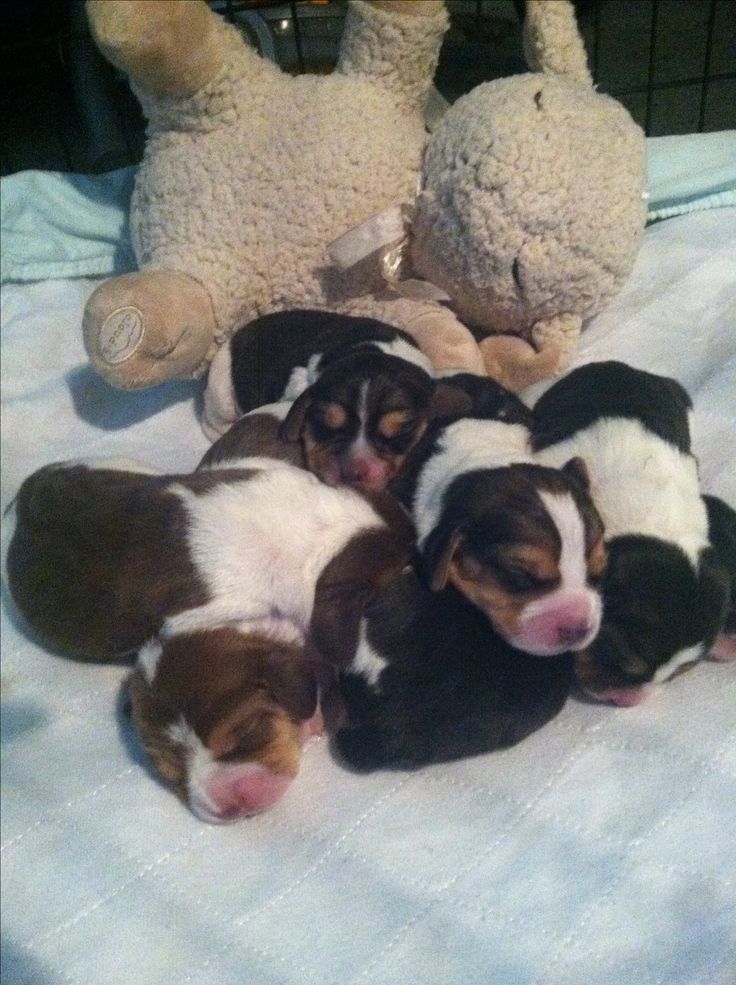
Newborn Beagle Puppies: Adorable & Playful!
Welcome to the heartwarming world of newborn beagle puppies! Known for their distinctive tri-color coats, boundless energy, and curious nature, beagle pups are...