Minecraft Behavior Chart: Navigating Villager AI & Mobs
In the vast, blocky world of Minecraft, understanding the game's AI-driven mob behaviors is as crucial as knowing how to craft tools and shelter. The Minecraft behavior chart, an often-overlooked aspect, provides fascinating insights into the algorithm governing mobs' actions. Let's delve into the compelling world of Minecraft AI, exploring the behavior chart and its intricacies.
The Minecraft behavior chart is akin to a job chart for the various mobs, outlining their tasks and preferences in different game scenarios. Each mob has a roster of tasks, or 'goals,' governed by a AI system that prioritizes these goals based on a complex system of logarithms and conditions. This system ensures Minecraft's vast landscapes are teeming with life, not just with pixelated characters but with intelligent, responsive entities.
Understanding Minecraft's Mob Goals
The foundation of the Minecraft behavior chart lies in the two primary mob goals: 'wantTo' and 'memory'. 'wantTo' represents the mob's current desires, the objectives they strive to achieve, while 'memory' stores past actions and experiences, influencing future behaviors.
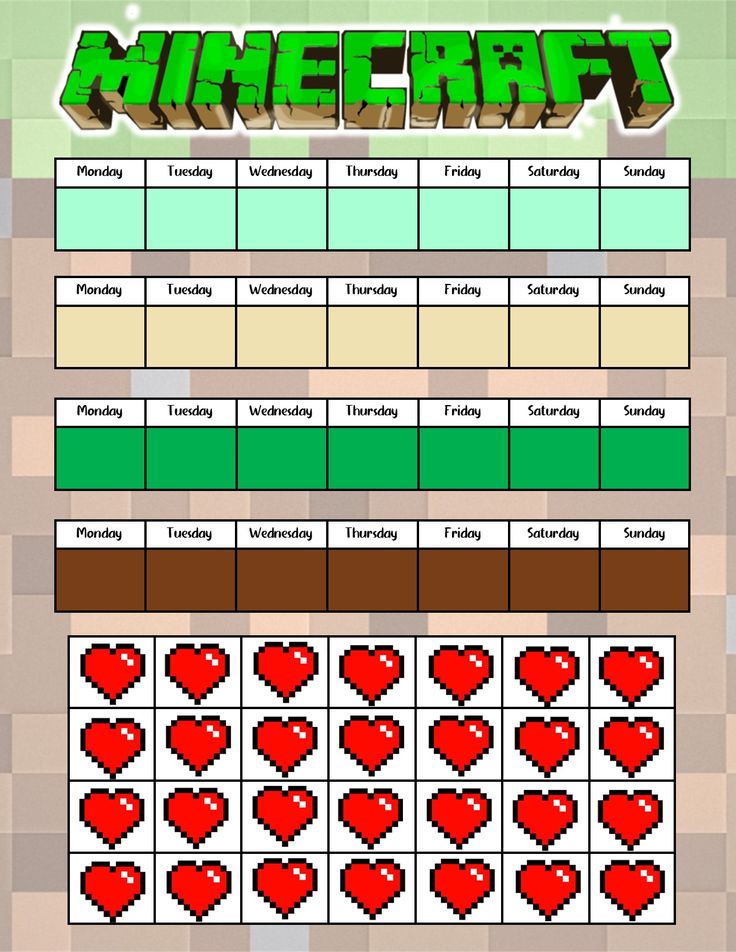


Each mob has a list of 'wantTo' goals, each with its own priority. For instance, a zombie's 'wantTo' list might look like this:
(1) Breathe
(2) Jump over Cliff
(3) Enter Into Water
(4) Attack Player
(5) Panic
(6) Wander
(7) Follow Player
(8) Move to Player
(9) Rest


Mob Priorities: The Hierarchy of Goals
Mobs prioritize their goals, deciding which to pursue based on their necessity and relevance. For example, a zombie in no imminent danger will 'wander', but if a player nears, 'attackPlayer' will replace 'wander' as the highest priority. This is the core of the behavior chart, dictating mob action sequences.
This priority system is not rigid but fluid, adjusting to changes in the environment. For instance, if water-blocking a zombie's path, 'enterIntoWater' will become a higher priority until a clearer path is found or another goal supersedes it.
The Influence of Memory: Learning from Experience
Mobs don't just act on instinct; they also learn from past experiences. Remembering when a specific action led to a reward (like reaching a valuable resource or escaping a dangerous situation) or punishment (suffering damage or getting trapped) can change how they act in similar situations in the future.


This 'memory' factor is what makes Minecraft's mob AI engaging and unpredictable. It not only makes daraufs or aggressive mobs more challenging but also turns villagers into cooperative, if somewhat quirky, community members.
The Role of Behavior Goals in Minecraft AI
The Minecraft behavior chart underscores the complexity of the game's AI system. It is not just a tool for gameplay but a window into the workings of the game's world, its mobs, and their interactions. Understanding this chart is understanding Minecraft's artificial life, adding another layer to the experience of navigating its vast, blocky sandbox.
The next time you see a passive mob fleeing a predator, a hostile mob pursuing you, or a villager trading with you, remember: they're not just following a script but operating according to a complex, interactive behavior chart, making them an integral part of Minecraft's dynamic ecosystem.


Related Articles

Minecraft Villager Coloring Guide
In the enchanting world of Minecraft, villagers have long captivated players with their unique appearances and behaviors. But what if you could add another...

Printable Clip Chart Behavior Tracker
In the realm of classroom management, one tried-and-true tool is the clip chart, a visual aid that helps educators monitor and reinforce positive behaviors...

Minecraft Businessman Skin: Professionally Dressed Villager Mining
In the expansive sandbox of Minecraft, players have the liberty to carve out identities that reflect their imagination and creativity. One standout aspect of...

Printable Christmas Behavior Chart: Reward Kids this Holiday
Printable Christmas Behavior Chart: A Fun and Engaging Way to Encourage Positive Actions This Season As the festive season approaches, it's a wonderful time to...

Clip Down Behavior Chart
Managing a classroom or a household needn't have to be a daunting task. One way to make this process easier is by implementing a clip down behavior chart - a...

Minecraft Animated Mobs: Bring Your Game to Life
Minecraft, the sandbox video game developed by Mojang Studios, is renowned for its diverse range of mobs that inhabit its blocky, procedurally generated...