Mexican Flag in 1080x1080 Resolution: Perfect for Your Display
The vibrant colors and rich history of the Mexican flag make it a symbol of pride for its people and a familiar sight around the world. Often referred to as the "Tricolor," it stands out with its distinctive design, making it easily recognizable even at high resolutions such as 1080 by 1080.
But how did this emblem come to be, and what do its components symbolize? Let's delve into the story and meaning behind the Mexican flag in this comprehensive guide.
The Evolution of the Mexican Flag
The current Mexican flag as we know it today was officially adopted on September 16, 1916, but it 살아 about 50 years to reach its final form. Its evolution is a testament to Mexico's independence struggle and the ideals that drove it.


In 1821, the revolutionary leader Agustín de Iturbide created the first official flag of Mexico. Known as the "Triple Alliance" flag, it featured the national coat of arms on a white band dividing the colors green, white, and red.
The Three Original Colors
The colors of the original flag held significant meaning. Green represented Independence, white signified the purity and unity of the country, and red symbolized the blood shed during the fight for freedom. Interestingly, these colors were also inspired by the contenuci civicus flag flown during the earlier war of independence.


However, it was not long before the Triple Alliance flag was abandoned. In the following years, several other designs were proposed and used, featuring different combinations of colors, coat of arms, and emblems.
The Adoption of the Current Design
It was finally in 1916, during the Mexican Revolution, that a group of constitutionalist soldiers designed the flag we use today. With green, white, and red vertical bands, they returned to the original colors but simplified the design. The famous Mexican eagle with a serpent in its mouth, now a universally recognized symbol, was added to the white band.
The new flag was first hoisted atop Mexico City's National Palace on August 26, 1916. It has since flown proudly as a symbol of unity and freedom, embodying Mexico's history and culture.


Symbolism of the Mexican Eagle
The Mexican eagle is one of the most powerful symbols on the flag,_direction deeply rooted in ancient Aztec mythology. But what does it represent?
The story goes back to the founding of the Aztec capital, Tenochtitlan. According to legend, the gods commanded the Aztecs to establish their city where they would find an eagle perched on a cactus, devouring a serpent. When they saw just that sight on an island in Lake Texcoco, they knew they had found their home.
The AztecConnection
The Mexican flag's eagle echoes this mythological event. The serpent in its mouth symbolizes the conquest of evil and the dominance of the Mexican people over their enemies. The eagle's location on a cactus - now represented by the employment of a cactus leaf below it on the flag - signifies the very spot where the Aztecs settled.


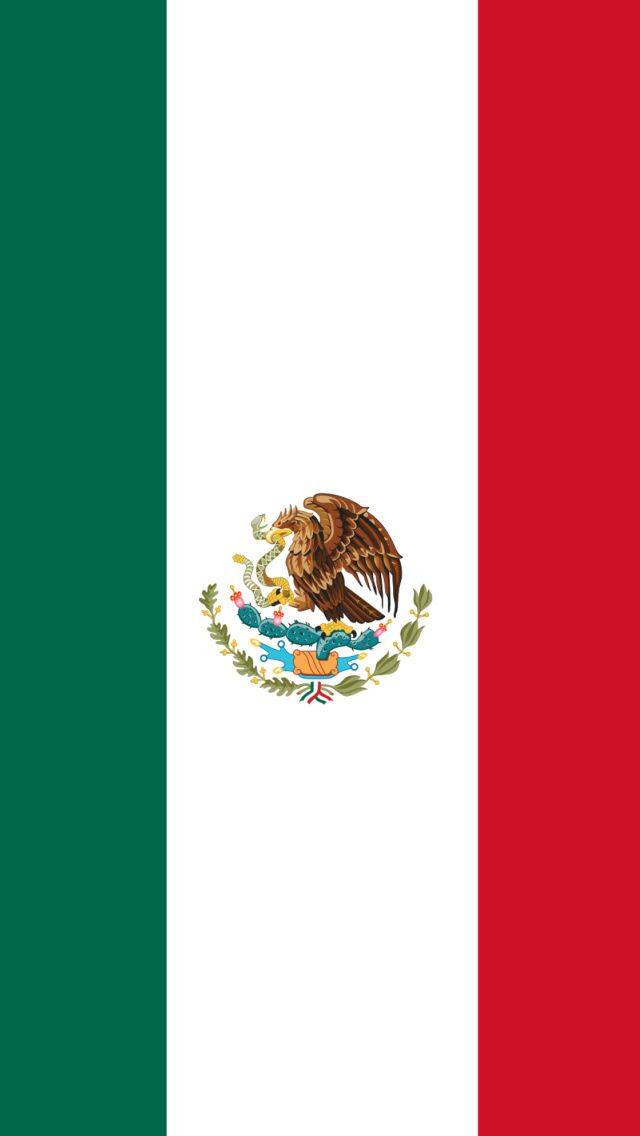
The eagle also represents the Mexican people's perseverance and strength, qualities they have demonstrated throughout history, especially during their struggle for independence.
The Importance of the Coat of Arms
While the eagle is a prominent symbol, the Mexican coat of arms on the flag carries its own significance. It features the eagle and serpent, encircled by a wreath, and surmounted by a victory laurels. The dates 1810 and 1910 HERE flank the top and bottom, representing the beginning and culmination of the country's struggle for independence.
In case the meaning of the symbols was not already clear, the coat of arms also includes the phrase "POR SINDICACIÓN Y DECRETO," which translates to "By Right and Decree," reinforcing Mexico's right to self-governance and independence.
Having explored the rich history and symbolism of the Mexican flag, it's clear that this emblematises so much more than just a nation's identity. It's a testament to its past struggles, current unity, and future aspirations. Whether you're displaying the Mexican flag at 1080 by 1080 resolution or waving it on the street, you're holding a piece of history that represents the resilience and spirit of a great people.
Related Articles

940x788: Perfect Resolution for Your Display
In the ever-evolving landscape of digital graphics and design, understanding image dimensions is crucial. One such pair of dimensions that often crops up in...

150x150 Resolution Ratio: The Perfect Balance for Your Images
The term "resolution ratio 150 x 150" refers to a specific aspect ratio in digital imagery, where the width and height are both set to 150 pixels...

Mexican Mustache PNG: Get the Perfect 'Stache for Your Project
The Mexican mustache, a symbol of pride and heritage, has been a staple in Mexican culture for centuries. Often associated with caricatures and stereotypes...

Twitch Bits Resolution & Image Size Guide: Perfect Your Stream Overlays
Are you a Twitch streamer or content creator wondering about the optimal image sizes and specifications for your stream? Look no further! This comprehensive...

1080x1080: Step-by-Step Guide to Growlithe's Perfect Pixel
In the ever-evolving world of digital gaming graphics, one standard has emerged as the gold standard for high-resolution displays: 1080p. But what exactly is...

"Twitch Overlay Resolutions: Perfect Your Stream"
Are you a Twitch streamer looking to enhance your broadcast with a customizable overlay? A resolution for your Twitch overlay involves choosing the right...