Kids' Memory Book: Write Your Adventures
In the digital age, children's memory books have evolved, offering not just a place to store precious moments but also an opportunity for creativity and learning. These interactive, often digital, books cater to today's tech-savvy youth, providing an engaging way to document and cherish their unique experiences.
Memory books for kids are more than just photo albums. They allow children to express themselves, fostering creativity and encouraging literacy skills. They serve as personalized keepsakes, capturing a child's journey through childhood, milestones, and precious everyday moments.
Benefits of Memory Books for Kids
memory books offer numerous benefits for children, helping them develop into well-rounded individuals. They serve as effective tools for preserving memories, encouraging self-reflection, and enhancing learning.


These books allow children to explore their creativity, express their feelings, and develop critical thinking. They also aid in emotional regulation, helping children process their experiences and emotions through art, writing, or other creative means.
Preserving and Sharing Memories
Memory books help preserve memories that might otherwise be forgotten. They allow children to relive special moments, like birthdays, holidays, or family vacations. By sharing these memories with others, they can foster stronger bonds with family and friends.


With digital platforms, children can easily share their memory books with relatives around the world, creating a sense of unity and belonging. They can also compare their experiences with others, fostering empathy and understanding.
Enhancing Learning and Development
Memory books can be powerful educational tools. They encourage children to develop literacy skills by writing about their experiences. They also promote numeracy skills, with dates, ages, and other numerical information often included in these books.
Storytelling and creative expression are also enhanced. Children can illustrate their experiences through drawing, collages, or digital design elements. They can also extend their learning beyond the book, researching topics they're interested in and incorporating the findings into their memory books.


Creating a Memory Book for Your Child
Creating a memory book with your child can be a rewarding experience. It not only allows you to bond over shared memories but also helps your child develop invaluable skills.
Choose a platform that suits your child's interests and abilities. There are numerous digital tools, apps, and even paper-based options available. Some popular choices include Artkive, StoryBird, and Shutterfly.
Getting Started
Start by collecting relevant materials. This could include photographs, drawings, mementos, or printed-out digital content. Encourage your child to participate in the collection process, making it a collaborative endeavor.


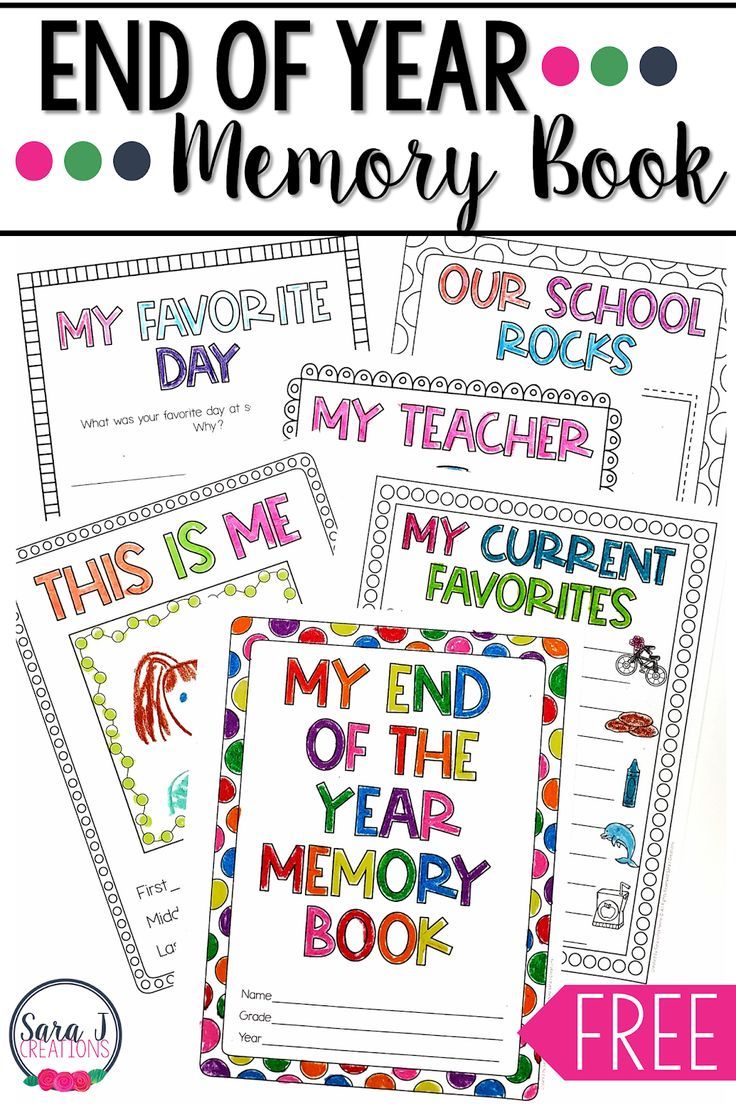

Once you have your materials, help your child navigate the creation process. Guide them in selecting the right materials, organizing them in a logical sequence, and adding relevant text or captions. Be patient and let them lead the process, allowing their creativity to shine.
Personalizing the Memory Book
Making the memory book personal is key. Include your child's favorite colors, fonts, stickers, and other design elements. This will make the book uniquely theirs and display their personality.
Encourage your child to write about their experiences in their own words. This can start with simple sentences or even single words, evolving as their language skills develop. The book should reflect your child's voice, thoughts, and feelings.
As you and your child finish each page, take a moment to reminisce and appreciate the memories. Then, look forward to the next adventure, ready to capture and preserve those moments in your child's memory book. After all, life's journey is as much about the remembering as it is about the living.
Related Articles

Inspiring Quotes for New Parents: Start Your Baby's Book Right
Embarking on the beautiful yet challenging journey of parenthood is an experience like no other. It's filled with countless emotions, precious moments, and...

What to Write in Kids' Thanksgiving Cards: Heartfelt Ideas for Your Little Ones
December is just around the corner, but before we start dusting off our Christmas decorations and humming carols, let's not forget what's coming up next...

Kids Book Club: Fun, Engaging, Free Resources for Little Bookworms
Establishing a Kids Book Club (Vlub) can be an enriching experience for both children and adults. It's an excellent way to cultivate a love for reading...

Boost Your Nikon D5000: Top Memory Cards
When it comes to capturing stunning images and videos with your Nikon D5000, the right memory card can significantly enhance your photography experience. This...

Color Your Own Grinch Coloring Book
The Grinch, a beloved character from Dr. Seuss' cherished children's book "How the Grinch Stole Christmas," has captured the hearts of readers worldwide. This...

Prime Book Box Unboxed: Your Monthly Literary Treasure
The Prime Book Box is an exclusive, curated subscription service that delivers a selection of handpicked books directly to your doorstep every month. Catering...