Maximizing Brand Value: Practical Methods for Measuring Brand Equity
Measuring brand equity is a critical aspect of managing and growing a business in today's competitive market. A brand's value is intangible, making it challenging but not impossible to quantify. This article explores the concept of brand equity, its importance, and various methods to measure it effectively.
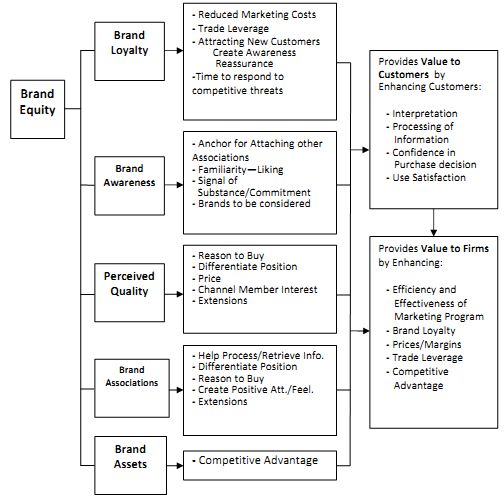
Before delving into the measurement methods, let's understand what brand equity signifies. Brand equity refers to the commercial value that derives from a brand name compared to a generic or no-name product. It reflects the brand's strength, reputation, and consumer loyalty. Measuring brand equity helps businesses understand their brand's health, make informed decisions, and drive growth.
Understanding Brand Equity Metrics
Brand equity can be measured using several metrics that capture different aspects of a brand's value. These metrics can be categorized into financial,关于品牌认知的 and perceptual metrics.


Financial Metrics
Financial metrics evaluate brand equity through sales, revenue, and market share. These metrics provide a tangible measure of a brand's financial performance and its market dominance.
1. Brand Value: This is a direct reflection of a brand's financial worth. Valuation methods, such as the Royalty Relief process or the Brand Equity Framework, can determine a brand's value.


2. Market Share: Measuring a brand's share of the total market or category gives insights into its relative strength compared to competitors.
Brand Awareness Metrics
Brand awareness metrics assess consumers' knowledge and recall of a brand. These metrics help understand a brand's reach, resonance, and relevance.
1. Unaided Brand Awareness: This metric measures the percentage of consumers who can recall a brand without any prompts or assistance.


2. Assisted Brand Awareness: This metric indicates the percentage of consumers who can recall a brand after seeing it or receiving a clue about it.
Perceptual Brand Equity Metrics
Perceptual brand equity metrics focus on consumer perceptions, attitudes, and associations with a brand. These metrics provide insights into a brand's differentiation, image, and positioning.
Brand Differentiation
Measuring brand differentiation helps understand how unique, relevant, and desirable a brand is compared to competitors. This can be assessed through surveys that ask consumers to rate brands based on various attributes (e.g., quality, innovation, customer service).




1. Unique Selling Proposition (USP): Identifying a brand's USP involves understanding what sets it apart from competitors and makes it appealing to consumers.
Brand Associations
Brand associations represent the mental links and connections consumers make with a brand. Measuring brand associations reveals a brand's personality, values, and cultural relevance.
1. Semantic Brand Associations: These are the words, phrases, or attributes consumers use to describe a brand. They reflect a brand's personality and positioning.
2. Emo Brand Associations: These are consumers' emotional responses and feelings when thinking about or interacting with a brand. They indicate a brand's emotional resonance and connection with consumers.
Regularly measuring these metrics helps businesses track their brands' performance over time, identify areas for improvement, and make data-driven decisions. Effective brand management requires continuous monitoring and optimization of these metrics.
In the ever-evolving business landscape, measuring brand equity is more crucial than ever. It's not just about tracking past performance; it's also about anticipating future trends and understanding how consumers perceive, interact with, and value your brand. By embracing a comprehensive approach to measuring brand equity, businesses can unlock new opportunities for growth and success.
Related Articles
Brand Equity vs Brand Value: What's the Difference?
In the dynamic world of business, brands are among the most valuable assets a company can possess. Two key concepts often used to quantify this worth are brand...

Boosting Brand ROI: Maximizing Investment
The concept of Return on Investment (ROI) is a fundamental aspect of business strategy, and when applied to branding, it provides valuable insights into the...

Pixel Screen Measurement: Accurate Methods & Tools
Measuring pixels on screen is a fundamental task in computer graphics, user interface design, and even digital photography. Pixels, short for picture elements...

Maximizing the Power: Earned Media Value
In the dynamic world of marketing and branding, earned media has emerged as a crucial metric to gauge the success of campaigns and brands. Unlike paid or owned...

Measure Brand Sentiment Online: Social Media Intelligence
Social media platforms have transformed the way brands communicate with their audiences, providing real-time insights and feedback. Among these, measuring...
Maximizing Your Marketing: What is Earned Media Value?
In the dynamic world of public relations and marketing, the term "earned media" is a buzzword that's gaining significant traction. But what exactly does earned...