Unlocking Knowledge: The Library Stem Program
A library's role has evolved significantly in the digital age, embracing technology not just as a tool for information access, but also as a platform for education, innovation, and community engagement. One such innovative program Libraries embrace is the Library STEM (Science, Technology, Engineering, and Mathematics) program. This initiative isn't just about guarding dusty tomes but about empowering communities, fostering critical thinking, and nurturing the next generation of problem solvers.
At its core, a Library STEM program aims to create a learning ecosystem where all individuals from diverse backgrounds can acquire and apply STEM knowledge and skills. This isn't confined within library walls; it extends to outreach programs, community events, and online learning resources.
Integrating STEM into Library Services
The first step for a library to initiate a STEM program is to assess its resources and community needs. This informational gathering helps tailor the program to local demands and opportunities. A well-designed STEM program integrates various library services, including collections, programs, and spaces, to create robust learning experiences.


Another critical aspect is cultivating partnerships with local schools, businesses, and other community organizations. These collaborations enrich the program, bring in expert volunteers and resources, and expand the library’s reach.
Collection Development
Revamping the library's collection to include STEM-focused materials is a significant component. This extends beyond textbooks and reference books to include interactive books, apps, kits, and educational games – both print and digital. The collection should be diverse, covering various STEM topics, reading levels, and formats to cater to all patrons.


Moreover, it's crucial to ensure these resources are easily accessible and well-promoted. This could involve dedicated STEM sections, virtual tours, or targeted marketing campaigns to raise awareness about these resources.
Programs and Events
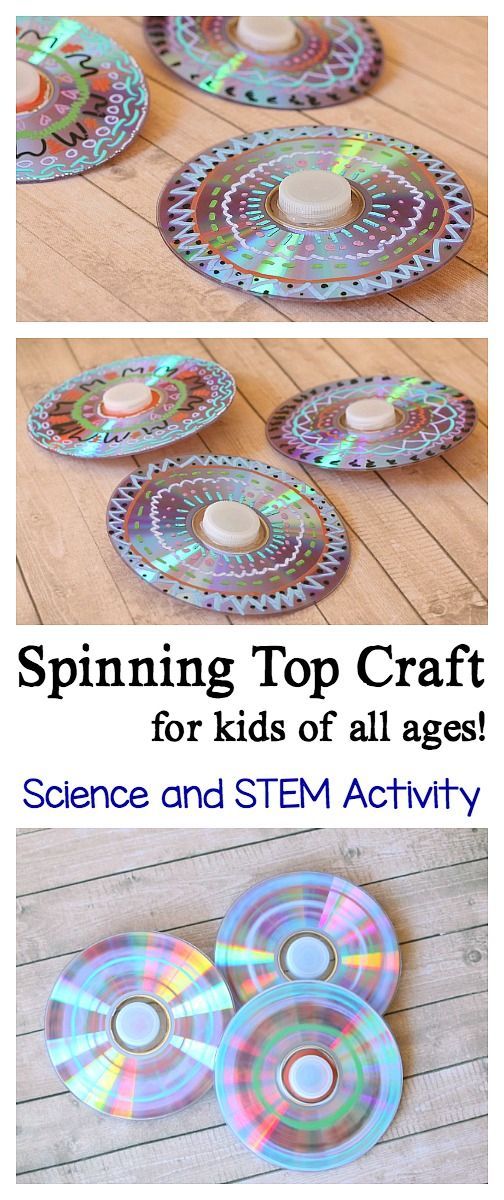
Offering engaging STEM programs and events is another way libraries can enhance learning. This could range from after-school workshops to family STEM nights, maker spaces, or coding clubs. Such programs encourage hands-on, minds-on learning, fostering a love for STEM subjects among patrons.
-libraries often host guest speakers, trivia nights, or film screenings focused on STEM topics. These events can inspire curiosity, spark debates, and encourage patrons to explore subjects further. They also provide opportunities for community engagement and networking.


Creating a STEM-Rich Learning Environment
The physical library space plays a significant role in a STEM program. Transforming it into an interactive, flexible, and engaging learning environment can significantly enhance the learning experience.
Designing a space conducive to STEM activities involves creating-makerspaces, collaborative zones, and areas for quiet work. Adapting layouts to accommodate after-school programs, workshops, and events also ensures the library remains accessible and relevant to all patrons.
STEAMing Ahead: Integrating Arts
While STEM programs focus primarily on Science, Technology, Engineering, and Mathematics, incorporating Arts (STEAM) can bring creativity and innovation into the learning process. Arty components can be woven into STEM programs through arts-infused workshops, presenter-led events, or library displays.


For instance, a robotics workshop could incorporate arts by having participants customize their robots with unique designs. Similarly, a film screening on climate change could spark discussions about visual storytelling and communicate actionable messages effectively. By integrating arts, libraries can make STEM learning more engaging and accessible.
Promoting Digital Literacy and Online Resources
In today's digital age, promoting online resources is as essential as physical materials. Digital resources complement the Library STEM program, offering patrons access to interactive tools, simulations, and multimedia content.
A strong Wi-Fi network, dedicated computer stations, and vendor-supplied online platforms (like Databases, e-books, audiobooks, and video learning resources) are invaluable. Additionally, offering tech support and digital literacy workshops helps patrons get the most out of these resources.
Embarking on a Library STEM journey signals a commitment to community learning and growth. By continually iterating and adapting programs based on patron feedback, libraries can foster a love for STEM, empower their communities, and create lifelong learners. So, let's open those library doors wider, welcoming not just booklovers, but also curious minds eager to explore, create, and innovate.}
Related Articles

Littleton Public Library: Your Gateway to Knowledge & Community
The Littleton Public Library, a cornerstone of the community since its inception in 1898, stands as a beacon of knowledge and culture in the heart of...

Ste Therese Library: A Treasure Trove of Knowledge
Nestled in the heart of Montreal, the Bibliothèque Saint-Sulpice, often simply referred to as Bibliothèque Ste-Thérèse, is a gem of a library that has been...

Time Capsule Icon: Unlocking Nostalgia with a Click
Have you ever come across a modern-day time capsule buried in the digital age? You might have, but under a different name: the time capsule icon. This nifty...

Stem Toy Subscription: Engaging Educational Fun Delivered Monthly
Imagine sparking your child's curiosity and nurturing their creativity with a surprise that arrives at their doorstep every month. Welcome to the world of stem...

Moritas Vailando Encendido: Unlocking Hidden Talents
Ever heard of "Morir andando"? It's a Colombian idiom that roughly translates to "to die dancing." But what about "Morir bailando, encendiendo todo"? This...

Microsoft Clip Art Archive: Unlocking Vintage Graphics
The Microsoft Clip Art Archive, a treasure trove of useful graphics, has been a steadfast companion for countless designers, teachers, and office professionals...