La Familia Crucigrama: Descubre y Resuelve
Imagine a ubiquitous phrase in crossword puzzles: "la familia crucigrama." This Spanish term isn't just a fun tongue twister; it's a representation of the vast, interconnected world of crosswords, known as "crucigramas" in Spanish. Let's dive into the fascinating family of crucigramas, exploring their origins, popular culture, and the passionate community surrounding them.
Crosswords, or "crucigramas," originated in the 19th century, with the first published puzzle appearing in 1873. The term "crucigrama" literally translates to "cross-word" or "cross-puzzle," perfectly encapsulating the grid-based, word-filled structures that we know and love today.
The Evolution of Crucigramas
The evolution of crucigramas can be traced through various milestones. From their inception as simple word squares to Arthur Wynne's introduction of the diagonal word placement in 1913, crucigramas have continually evolved, adapting to the times and the languages they represent.


In the Spanish-speaking world, crucigramas have gained immense popularity, with magazines and newspapers featuring them daily. They've also adapted to digital platforms, with interactive apps like "Crucigrama Constructor" and "Crucigramas para Android" catering to modern puzzle enthusiasts.
Tdhe Diversity of Crucigrama Styles
Crucigramas come in various styles, each presenting unique challenges. Classic crucigramas focus on vocabulary and general knowledge, while themed ones delve into specific topics like literature, history, or pop culture. Then there are cryptic crucigramas, which employ wordplay and puns, adding an extra layer of complexity.
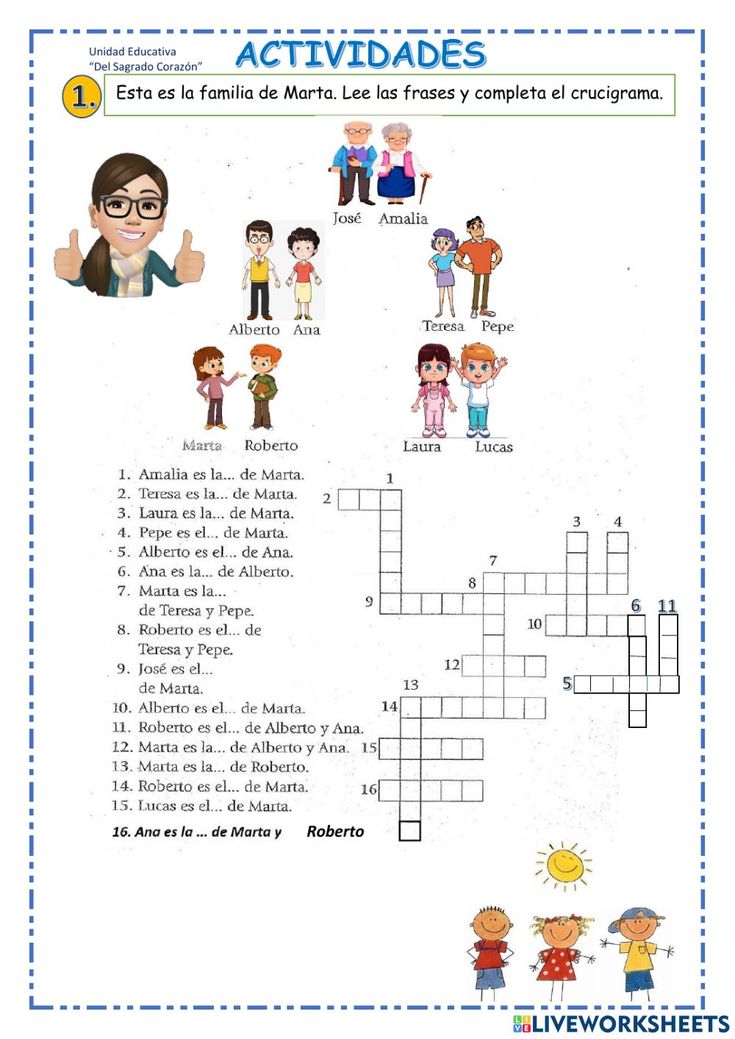


In Spain, for instance, the prestigious newspaper El País features a daily crucigrama, known for its high-quality, challenging puzzles that cater to both beginner and experienced solvers.
Cultural Impact of Crucigramas
Crucigramas have permeated popular culture, with movies like "The Puzzler" and "Wordplay" celebrating the joy and intrigue of solving them. They've also inspired educational initiatives, like the "Crucigrama Ludaico" project, which uses crucigramas to teach Latin in schools.
In the digital age, crucigramas are more accessible than ever, fostering communities of solvers who share strategies and celebrate victories online, on platforms like Reddit's r/crucigramas or the "Crucigramas Online" forum.


The Art of Crucigrama Construction
Crucigrama construction is a art form in itself, requiring creativity, language proficiency, and a deep understanding of the puzzle's target audience. From cluing to grid design, crucigrama makers, or "constructoras," dedication ensures that each puzzle is both enjoyable and intellectually stimulating.
Spanish constructoras like Juan Manuelaventado and Javier Barreiro have left their mark on crucigrama history, crafting some of the most challenging and beloved puzzles in the Spanish-speaking world.
Tools and Techniques for Crucigrama Construction
Crucigrama construction tools have evolved with technology. While pen and paper are still used, digital software like Puzzlescript, CROSS+, and RecentList allow constructoras to design, test, and distribute their creations more efficiently.


Techniques like begging (using shared letters to connect words), rival entries (words that share clues but point to different answers), and rebuses (using abbreviations or symbols to represent sounds) add depth and challenge to crucigramas, driving constructoras to continually innovate.
The Future of Crucigramas
The future of crucigramas looks bright, with technologies like augmented reality and artificial intelligence opening up new possibilities for interactive, adaptive puzzles. As language and culture continue to evolve, crucigramas will too, ensuring they remain relevant and engaging for generations to come.
So, the next time you encounter a vacant grid, remember it's not just a blank space—it's an invitation to explore the rich and intricate world of crucigramas. Happy solving!
Related Articles

"Adara Residencial Mexicali Precios: Compara Precios y Conoce los escritorios increibles en este exclusivo fraccionamiento residencial en Mexicali. Descubre la opcion perfecta para tu familia en Adara Residencial hoy!"
Discovering the perfect home is an exciting journey, and if you're looking for a residential option that combines comfort, quality, and affordability, Adara...

Barras PNG: Descubre codigo de barras de alta calidad
Codes de barras en formato PNG son utilizados comúnmente en la industria para identificar productos, rastrear los movimientos de inventario, y agilizar los...

Icono de Regalo: Descubre el Mejor para Tus Diseños
The term "icono de regalo" is a popular search when it comes to looking for the perfect gift. But what makes an icono de regalo special, and where can you find...

Lee un libro: descubre el placer de la lectura
Lee un libro - these two simple words hold immense power in the realm of Spanish. They represent the command or request "Read a book," and unlock a world of...

Fondos de Amor HD: Descubre гламур Земли
Immerse yourself in a world of affection and beauty with "fondos de amor HD", an exquisite collection of high-definition wallpapers and backgrounds that...

Vector Linea de Vida: Descubre el Significado y su Influencia en tu Futuro
Ever wondered about the correlation between design and life? Welcome to the world of Vector Linea de Vida, a compelling fusion of art, mathematics, and...