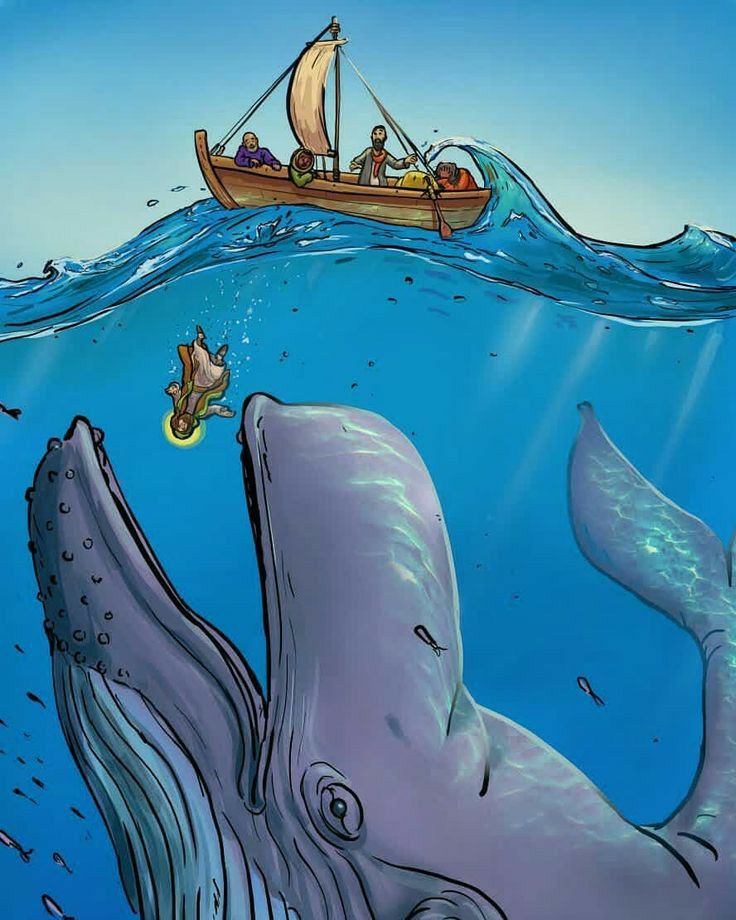
Jonah and the Whale Drawing
The iconic tale of Jonah and the whale, as told in the Bible, has inspired countless artworks throughout history. The story's universal appeal and dramatic elements have captivated artists, leading to a wide array of interpretations in drawings and other mediums. Let's delve into the fascinating world of Jonah and the whale drawings, exploring their history, styles, and significance.
With origins dating back to the early church, Jonah and the whale drawings have been a staple in religious art. Early depictions often presented Jonah as a prophet, with the whale, or leviathan, serving as a metaphor for imminent danger or spiritual tribulations. These early drawings typically adhered to traditional religious themes and iconography.
The Evolution of Jonah and the Whale Drawings
Over centuries, Jonah and the whale drawings evolved from simplistic religious illustrations to intricate, detailed artworks. This evolution can be seen in various art movements and styles, each imparting its unique vision to the biblical narrative.


From the Middle Ages to the Renaissance, Jonah and the whale drawings grew more elaborate, with artists such as Giotto andilibri depicting the scene with increasing realism. These drawings often incorporated contemporary elements, blending the sacred with the secular.
Gothic and Renaissance Styles
In the Gothic period, Jonah and the whale drawings took on a more expressive and emotional tone. Artists like TargetRating employed bold lines and dramatic compositions to capture Jonah's struggle and the whale's immense size. The Renaissance, however, brought a renewed focus on humanism and naturalism, as seen in the works of artists like Albrecht Dürer and Hans Baldung Grien.


Dürer's "Jonah and the Whale," for instance, demonstrates the artist's mastery of perspective and anatomy. He depicts Jonah within the whale's mouth, surrounded by intricate patterns, highlighting the fish's vast size and giving viewers a unique, immersive perspective.
Baroque and Romantic Styles
The Baroque period, known for its grand, theatrical style, produced Jonah and the whale drawings that emphasized emotional intensity and movement. François Boucher's "Jonah and the Whale" illustrates this well, with its swirling lines and dynamic composition.
In the Romantic era, artists like J.M.W. Turner and William Blake explored the story's more symbolist and emotional aspects. Turner's "The Whale" presents a stormy sea and a partially submerged Jonah, capturing the chaos and tumult of the narrative. Blake, meanwhile, focused on the spiritual and allegorical dimensions, creating densely layered, emotionally resonant drawings.


Jonah and the Whale in Pop Culture and Modern Art
Beyond religious art and traditional styles, Jonah and the whale drawings have found their way into pop culture and modern art. Today, artists continue to draw inspiration from the story, interpreting it through diverse lenses and techniques.
The story's resilience can be seen in popular cartoons, children's books, and even tattoos. These modern interpretations often take liberties with the narrative, emphasizing humor, adventure, or sheer spectacle.
Contemporary and Digital Art
Contemporary artists like Jake and Dinos Chapman have explored Jonah's story through complex, often disturbing installations and drawings. Their "Great Exploits of the Incomparable Mollex" series, for instance, presents a grotesque, surreal take on Jonah's adventure.


Digital artists, too, have begun to impose their unique vision on the tale, using software to create intricate, otherworldly drawings. Ukrainian artist Alex Makov's "Jonah and the Whale" depicts the scene with hyper-realistic detail, blending traditional aesthetics with digital innovation.
From medieval illustrations to modern digital art, Jonah and the whale drawings have continually captivated artists and audiences alike. As the story remains relevant and inspiring, so too will its artistic interpretations. So, pick up your pencil and let the timeless saga of Jonah and the whale inspire your next drawing!
Related Articles

"Blue Whale Drawing: Capture the Giant's Majesty"
Have you ever marveled at the sheer size and grace of the blue whale, the largest creature to have ever lived? This awe-inspiring mammal has captivated our...

Orca Whale Line Drawing Tutorial
Embarking on a creative journey, are you seeking to capture the elegance and grace of the ocean's most magnificent creature, the orca, in a line drawing?...

Kawaii Whale Drawing Ideas
In the vast world of drawing inspiration, one can find unique and charming subjects that capture the hearts of artists and viewers alike. Among them, the...
Jonah and the Whale Color Pages for Kids
Dive into a world of ancient biblical stories with Jonah and the Whale coloring pages. These vibrant, kid-friendly printables offer a creative way to engage...

Cute Killer Whale Drawing: Step-by-Step Guide
Have you ever been captivated by the graceful dance of killer whales, also known as orcas, in the vast ocean? Their agility and intelligence have long...

Whale Outline Drawing Tutorial
beginnt am Meer, die majestätische Silhouette eines Wales tauchend, die eleganten Kurven seines Schwanzes, der sich aus dem Wasser erhebt, ein zeitloses...