John Proctor's Pride: iconic quotes from The Crucible
John Proctor, a protagonist in Arthur Miller's iconic play "The Crucible," is a tragic figure whose name has become synonymous with integrity, honesty, and moral uprightness. Proctor's pride, a complex and multifaceted trait, is the driving force behind many of his actions and ultimately contributes to his downfall. His pride, manifesting as a fierce commitment to personal and moral integrity, is evident in several profound quotes that have stood the test of time.
Proctor's pride is rooted in his unyielding belief in absolute truths and his refusal to compromise his principles. This deep-held conviction is starkly evident when he declares, "Because it is my name! Because I cannot have another in my life! Because I lie and sign myself to lies! Because I am not worth the dust on the feet of them that hang! How may I live without my name? I cannot have another in my life!" (Act 4).
John Proctor's Integrity-Driven Pride
Proctor's pride is most noticeably expressed in his unyielding integrity, which he believes is intrinsically linked to his name and identity. This pride compels him to make hard choices, even in the face of life-threatening consequences.


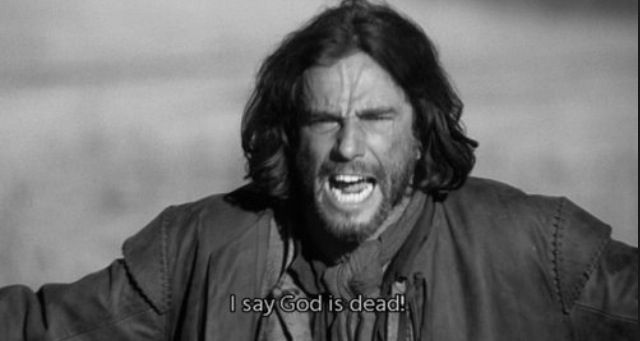
Standing Up Against Hypocrisy
Proctor's pride fuels his determination to expose hypocrisy, even when it places him at risk. When he sees the injustice of the trials and the false accusations, he lambasts Reverend Parris, "You have taken not an honest roof off my back! My land is mine! I've tilled it with my own hands, and now you'll tell me 'tis mine no more?" (Act 3). Here, Proctor's pride represents his refusal to accept injustice and his resolve to challenge corruption.
His unyielding honesty also leads him to expose the plagiarism of young farmer John Alden. He lashes out at Alden, "I would not have come here to make a mystery of a loose virtue, but because John porcine have cheated me in my own house" (Act 2). This exhibit of pride in honesty extends beyond his personal life, showing his commitment to ethics in everyday interactions.


Facing the Consequences of His Actions
Proctor's pride also leads him to accept the consequences of his actions, even when they are harsh and undeserved. After he confesses having "faulted against Heaven," he acknowledges the severity of his transgression and, in a moment of profound humility, laments, "Because it is my name! Because I cannot have another in my life! Because I lie and sign myself to lies!" (Act 4). Despite the gravity of his admission, there's an undercurrent of dignity in his pride, emphasizing that he would rather face the penalty than live a life contaminated by deceit. He ultimately chooses to hang rather than sign a false confession, a testament to his unyielding pride and integrity.
Proctor's pride, however, is not without its flaws. His insistence on truth and integrity blinds him to the necessary compromises and manipulations that are part of human nature. His refusal to participate in the lies that have become endemic in Salem ultimately leads to his tragic downfall.
John Proctor's Tragic Flaw: The Pitfalls of Unyielding Pride
Proctor's tragic flaw lies in his inability to temper his pride. His unwillingness to compromise or forgive, even when it would serve his own best interest, makes his character both admirable and ultimately tragic.


The Importance of Balance in Pride
While Proctor's pride is writ large as a force of strength and integrity, it is ultimately his own unyielding nature that seals his fate. His inability to forgive his wife, Elizabeth, for her admissions under pressure, and his refusal to lie to save himself, underscores the importance of balance in pride. Unchecked, it can morph into obstinacy and reckless self-righteousness. Yet, tempered, pride becomes a wellspring of moral fortitude.
Proctor's final monologue, "Because I cannot have another in my life! Because I lie and sign myself to lies! Because I am not worth the dust on the feet of them that hang!" (Act 4), underscores the dilemma of a man whose uncompromising pride is both his strength and his weakness. The tragedy of John Proctor lies not in his fall, but in his inability to understand and embrace the necessary compromises and contradictions that make us human, even in the face of oppression and injustice.
In conclusion, the pride echoed in John Proctor's quotes represents a complex mix of admirable integrity and tragic flaw. His inability to understand the nuanced nature of human fallibility and forgiveness ultimately contributes to his tragic downfall. Understanding and acknowledging the balance in pride is key to avoiding a Proctor-like tragic end.


Related Articles
John Proctor's Tips: Quotes from a Champion of Risk-Taking
John Proctor, a central figure in Arthur Miller's "The Crucible," is a complex character grappling with personal integrity and public perception. His quotes...

Reverend Hale's Iconic Quotes from Arthur Miller's The Crucible
The Crucible by Arthur Miller presents a complex web of allegories and themes, with one of the central figures being Reverend Hale. His character embodies...

Hysteria Quotes from The Crucible: A Compelling Look
The Crucible, a powerful play by Arthur Miller, is renowned for its exploration of mass hysteria, set against the backdrop of the Salem witch trials in...

Fearless Risk Takers: Proctor's Timeless Quotes on Daring to Act
Proctor quotes represent not just bold assertions, but also a testament to risk-taking, resilience, and the human spirit's indomitable will. They are a canvas...

Bob Proctor's Most Inspiring Quotes: Unleash Your Potential
Bob Proctor, a renowned motivational speaker, author, and success coach, has inspired millions worldwide with his transformative teachings on the power of the...
Danforth's Profound Quotes from "The Crucible"
The Crucible, written by Arthur Miller in 1953, is a powerful exploration of fear, intolerance, and the dangers of fanaticism. Throughout the play, characters...