Imperial March Trombone Sheet Music
The Imperial March, also known as Darth Vader's Theme, is one of the most iconic pieces of sheet music in modern popular culture,,Stringedinavigorous,cinematicstyle, it naturally lends itself to instrumental arrangements. Among orchestral brass sections, the trombone segment is particularly notable for its powerful, resonant sound. If you're a trombone player eager to tackle this challenging yet rewarding piece, here's a comprehensive guide to help you master the Imperial March sheet music for trombone.
First, let's address the elephant in the room. The Imperial March is not an easy piece. It's characterized by rapid, complex rhythms, wide interval leaps, and intense, dramatic dynamics. But with practice, dedication, and the right approach, you can make this iconic piece a proud addition to your repertoire.
The Unique Challenges of Playing the Imperial March on Trombone
One of the unique challenges of playing the Imperial March on trombone is its range. The piece spans over two octaves, pushing the instrument to its limits. Trombone players must be comfortable with both high and low registers, and possess a strong embouchure to produce even dynamics across the entire range.


Additionally, the Imperial March demands versatility. Throughout the piece, you'll switch between various musical styles - from dramatic, fortissimo outbursts to subtle, piano accents. This requires a broad dynamic range and impeccable control over your breath and air support.
Navigating Range Leaps
One of the most daunting aspects of the Imperial March is its range. Wide intervals and sudden leaps can feel disorienting, and it's easy to lose your place in the music. To tackle this, start by practicing each range separately, gradually combining them as your comfort level increases.

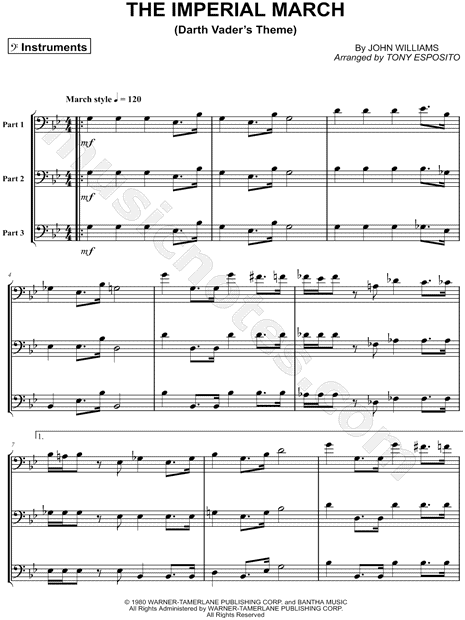

Use a metronome to ensure accuracy and consistent tempo throughout. Record yourself and listen back to identify spots where you might be rushing or slowing down. With time and practice, you'll find these leaps becoming less intimidating and more second nature.
Developing Dynamic Control
The Imperial March's dynamics are just as challenging as its range. The piece oscillates between powerful, attention-grabbing fortissimo sections and quiet, haunting piano passages. To achieve this level of dynamic control, incorporate dynamics into your practice sessions. Use a metronome to ensure consistency and avoid losing tempo during softer passages.
Additionally, consider working with a teacher or coach who can provide personalized feedback and guidance. They can help you identify areas where you might be pushing too hard or not pushing enough, and provide strategies to improve your dynamic control.


Tips for Learning the Imperial March Sheet Music
Before you dive into the music, ensure you have an accurate, high-quality sheet score. Many arrangements are available online, but their quality can vary. Consider purchasing a sheet from a trusted source like Musicnotes or Sheet Music Plus to ensure you have an Error-free, professional transcription.
Once you have the sheet music, follow these tips to facilitate learning:
Break Down the Music
The Imperial March is intense from start to finish. To make the learning process more manageable, break the piece down into smaller, digestible sections. Start with the first few measures, practicing them slowly and methodically until you can play them accurately and comfortably.


Once you're comfortable with the opening measures, gradually incorporate more Until you're playing the entire piece. This step-by-step approach allows you to focus on accuracy and technique, building a strong foundation for the entire piece.
Practice with a Mute
In some sections of the Imperial March, you'll be playing with a mute for a unique, menacing sound. Practice these sections with a mute early on to ensure you're comfortable with the altered sound and different Playing requirements.
Mutes can affect intonation and the way notes respond. Practicing with a mute from the beginning helps you anticipate and adjust for these changes, allowing for cleaner, more consistent playing.
Learn in Different Keys
To build versatility and better understand the music's structure, consider learning the Imperial March in different keys. This approach can help you identify patterns, forzemonotony, and improve your understanding of key signatures.
It also provides an opportunity to explore the piece's unique sound in different contexts. For instance, playing the Imperial March in a major key can give it a more triumphant, uplifting feel, while playing it in a minor key can introduce an air of tragedy or suspense.
In your quest to master the Imperial March on trombone, remember to be patient, persistent, and kind to yourself. This piece demands a lot from you, but it also has a lot to offer - including a sense of accomplishment and a powerful addition to your repertoire. Happy practicing, and may the Force be with you!
Related Articles

colors4trombone: Sheet Music in Every Hue
The vibrant world of music notation meets color theory in the discussion of colors for trombone sheet music. While traditionally scored in black and white...

Bohemian Rhapsody Trombone Sheets
Embarking on a musical journey through one of the most iconic rock songs of all time, "Bohemian Rhapsody" by Queen, reveals a hidden gem: the trombone. This...

Marvel Studios Fanfare Sheet Music for Trombone
The iconic Marvel Studios fanfare has become synonymous with cinematic magic, and musicians worldwide have been eager to master this energetic piece. What sets...

Pirates of the Caribbean Trombone Sheet Music
Avast, lovers of music and adventure! If you're sailing the seven seas of the internet in search of "Pirates of the Caribbean trombone sheet music," you've...

Florida Gators Fight Song Trombone Sheet Music
The University of Florida's beloved Gators are known for their spirited fan base and powerful Fighting Gators fight song. This iconic anthem is not only a...

"Free Fortnite Default Dance Trombone Sheet Music"
Oh, what a dance, what a tune! Ever wanted to know how to play the iconic "默认 dance" from Fortnite on your trombone? You're in the right place. Let's dive into...