Monera Images: Discover the Unseen Microbial World
Discover the fascinating microscopic world of the Monera Kingdom with our stunning image collection. As the most primitive form of life, the organisms belonging to this domain are remarkable in their simplicity and diversity.
From bacteria to archaea, each with unique characteristics and roles in our ecosystems, exploring the Monera Kingdom through images offers an unparalleled perspective on the building blocks of life on Earth.
Understanding the Monera Kingdom
The Monera Kingdom, also known as the Archea/Prokaryotae Kingdom, comprises single-celled microorganisms lacking a true nucleus or other membrane-bound structures. They reproduce asexually through processes like binary fission or budding.


Despite their simplicity, these organisms play vital roles in various environments, from deep-sea hydrothermal vents to the human gut. Let's dive into the remarkable world of the Monera Kingdom through its diverse inhabitants and breathtaking images.
Bacteria: The Unseen Majority
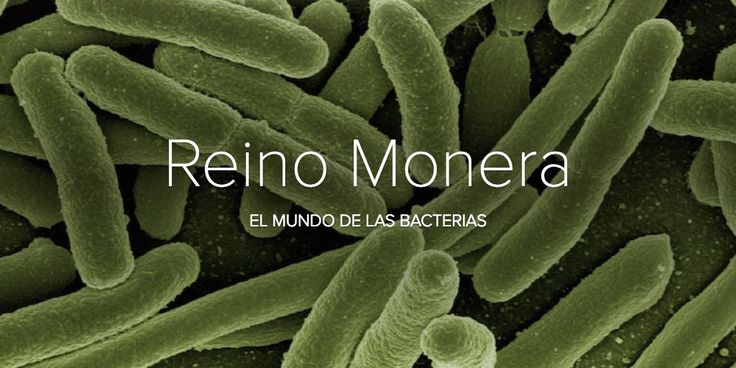
Bacteria are the most numerous and diverse group within the Monera Kingdom, with estimates suggesting that there are approximately 1 million species on Earth. They exhibit a wide range of shapes, including spheres (cocci), rods (bacilli), and spirals (spirochetes).


Some of the most captivating bacterial images reveal their complex social behavior, such as biofilm formation and quorum sensing, as well as intricate cellular structures like flagella, pili, and fimbriae - all features indispensable for their survival in a myriad of habitats.
Archaea: Extremophiles Extraordinaire
Archaea constitute the second major group within the Monera Kingdom, once considered part of the bacterial domain but now recognized as a separate lineage due to distinct genetic and cellular characteristics. Archaea thrive in extreme environments, earning them the name "extremophiles."
Stunning images of archaea showcase their remarkable adaptations to survive in conditions inhospitable to most other life forms, such asendpoint thermophiles living in hot springs and acidophiles thriving in highly acidic environments. Their unique characteristics make them fascinating targets for research in biotechnology and astrobiology.


The Phylogenetic Tree of Life: Monera's Place
The development of molecular techniques has revolutionized our understanding of the Monera Kingdom's evolutionary history. Data from these methods, including 16S rRNA gene sequencing, has placed bacteria and archaea at the base of the tree of life, helping to elucidate the early diversification of Earth's earliest inhabitants.
By examining the evolution of key metabolic processes, such as photosynthesis and carbon fixation, as well as catalyzing reactions in the global biogeochemical cycles, images and data from Monera Kingdom members help paint a more complete picture of life's origins and the planet's planetary evolution.
The Role of Monera in Ecosystems
The Monera Kingdom's members are integral to the functioning of countless ecosystems worldwide. Their contributions span from nutrient cycling and energy flow to the health and productivity of organisms higher up the food chain.




For example, images of nitrogen-fixing bacteria, such as rhizobia, reveal their essential role in agricultural soils by converting atmospheric nitrogen into a form usable by plants. Similarly, methanogenic archaea play a pivotal role in wetlands and livestock rumen, where they produce methane - a powerful greenhouse gas.
The Monera Kingdom and Human Health
Monera Kingdom members also exert profound influences on human health - both positively and negatively. Probiotic bacteria, such as Lactobacillus and Bifidobacterium, image as essential components of a healthy gut microbiome, promoting digestion, immune function, and deterring pathogen colonization.
However, other bacteria, like Staphylococcus aureus and Klebsiella pneumoniae, pose significant threats to human health, causing infectious diseases ranging from minor skin infections to life-threatening illnesses like sepsis. These pathogens highlight the importance of understanding Monera Kingdom members' diverse impacts on our lives and the world around us.
Continued exploration of the Monera Kingdom's fascinating inhabitants, through cutting-edge imaging techniques and robust research, promises to unveil yet more wonders of the microscopic world - and maybe even inspire novel solutions to some of today's most pressing global challenges.
Related Articles

Atorvastatin 20mg Images: Discover Its Uses & Effects
Atorvastatin, widely known under the brand name Lipitor, is a medication often prescribed to lower cholesterol levels. Available in various dosages, one common...

Organic Garden Images: A Visual Guide to Eco-Huert
Neglected by many, but truly a gem in the sustainable garden world, ecological orchards, also known as "huertos ecologicos", are revolutionizing agriculture as...

Enliven Your World: High-Res, Printable Disney Character Images
% Immerse your little ones in the magical world of Disney with our large, printable pictures of their beloved characters. These high-quality images are perfect...

Vore Station Wiki: Discover the Enigmatic World of Oral Envelopment
Vore Station Wiki, also known as Vore Wiki, is an extensive, community-driven compendium of knowledge dedicated to the fetish and fantasy genre known as vore...

Meet Adorable Chinese Cartoon Characters: Discover Their Magical World
The vibrant and imaginative world of Chinese animation has captivated audiences worldwide with its unique storytelling, stunning visuals, and intricate...

"Discover Soft & Cuddly Baby Dolls: A World of Diversity"
In the heartwarming realm of toys, soft baby dolls have always held a special place, nurturing imagination, fostering empathy, and providing comfort to little...