Hex Code for Dark Grey: #3E3E3E
When it comes to color matching, the darkness of grey can sometimes be elusive, especially when you're aiming for a deep, almost black shade. Enter the realm of hex color codes, where precision and nuance reign supreme. Today, we delve into the world of "hex for dark grey", exploring how to achieve and work with these deep shades in design and coding.
The quest for the perfect dark grey begins with understanding the hex color system. Hex, short for hexadecimal, is a base-16 numbering system used to represent colors. It consists of a '#' followed by six characters, each representing a value from 00 to FF for red, green, and blue (RBG) color components.
Understanding Dark Gray in Hex
In the world of web design and digital art, any shade between #696969 and #323232 can be considered a dark grey. However, the sweet spot for a very dark grey but still discernibly grey, not black, is often around the #3A3B3C to #262626 range.

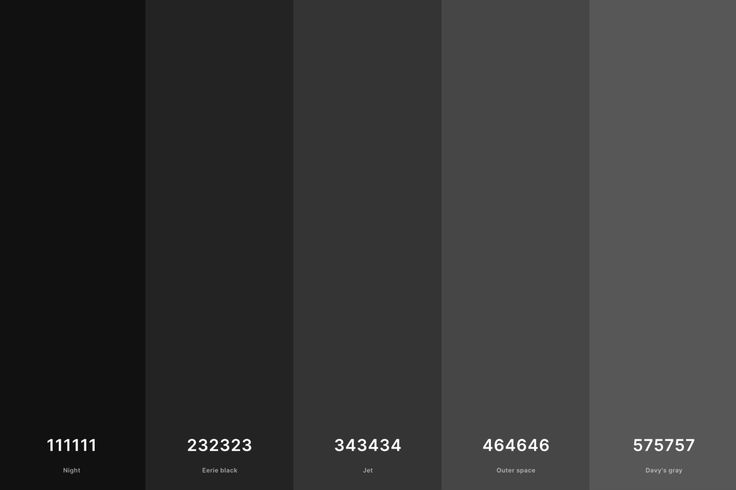

These values don't represent a single 'dark grey' but rather a range where slight adjustments can yield different tones. The key is finding a balance between staying out of black (#000000) territory while maintaining a deep, bold shade.
Visualizing with Examples
To illustrate this, let's compare a few hex codes:


- #3A3B3C: A deep but still visibly grey tone.
- #303030: A slightly lighter but still very dark grey.
- #262626: A near-black but distinctively grey shade.
Step-by-Step Creation with Adjustment
If you're working in a design tool, creating a dark grey is straightforward. Start with R:30, G:30, B:30 for a neutral dark grey base. Then, fine-tune each value, CaoSst to increments or decrements of 5, to tweak the shade:
| Increment/Decrement | Resulting Hex |
|---|---|
| Increase each: +5 | #353535 |
| Decrease each: -5 | #252525 |
Working with Dark Greys in Design
Dark greys are versatile. They make excellent background colors, text accents, and gradient stepping stones. Their deep hue provides strong contrast, enhancing the visibility and hierarchy of your design elements.
However, be wary of using them solely for text. Ensure sufficient contrast with the background color to maintain readability./# And consider using them sparingly; too much dark grey can create a monotonous look.


Dark Grey's Role in Gradients
Dark greys are indispensable in gradient color schemes, helping transition from lighter to darker shades or creating a depth effect. For instance, applying a linear gradient from a lighter (#707070) to a darker (#303030) grey creates an illusion of depth and texture.
In the vast spectrum of web design, understanding and utilizing hex for dark grey is a crucial skill. It enables you to create sophisticated, nuanced designs that captivate users and demonstrate your design prowess.


Related Articles
Dark Grey Hex Code: #3A3B36
Hello, web developers! Today, we're going to delve into the fascinating world of colors in web design, specifically focusing on a versatile shade: dark grey...

Dark Fossil Grey RGB Code
Ever found yourself in a creative rut, searching for the perfect color code to match that captivating image or set the mood of your digital project? Dark...

"Discover RGB Dark Brown Color: Code & Matching Palettes"
When discussing color in the digital world, one can't overlook the versatile and earthy shade that is dark brown. In the RGB color model, a popular standard in...
Unveiling the Perfect Shade: Dark Brown Hex Code #4A2C2A
The dark brown hex code, #3D2B1F, is a popular choice for those seeking a rich, earthy tone with a hint of warmth. It's often used in web design, graphic...
Anthracite Grey Color Code: See Real Picture and HEX Code
The sleek, sophisticated charm of anthracite grey has captivated designers and homeowners alike, making it a staple in contemporary and modern interior design...

Hex Color Code for Dark Green: #008000
When it comes to representing colors in digital environments, the Hexadecimal (Hex) color code system is extensively used. It's a numerical way of depicting a...