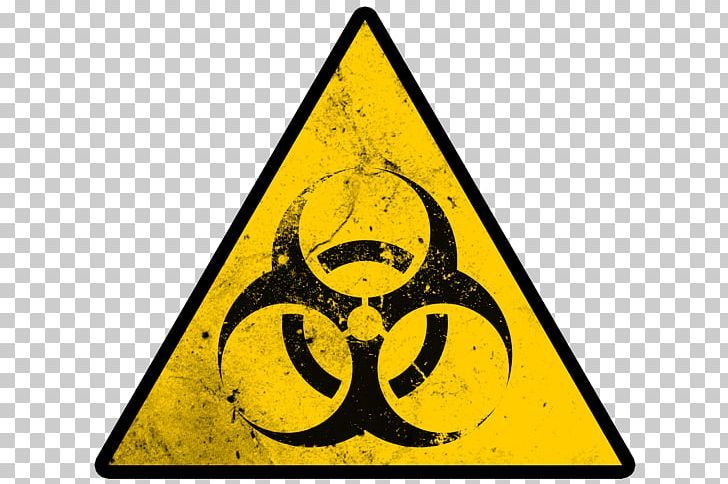
Hazardous Symbol PNG Texture
Embarking on a mission to enhance workplace safety through clear communication? You've likely come across the need for hazardous symbol PNG textures. These graphic elements provide an immediately recognizable, universally understood language, crucial for safety protocols, emergency response, and hazard awareness. Let's delve into the significance of these symbols and their optimal usage in PNG format.
Hazardous symbol PNG textures serve a critical role in transmitting essential information quickly and effectively. They outline potential risks, direct actions, and signal emergency procedures, thereby safeguarding individuals and surroundings in various settings, from industrial facilities to public spaces.
Understanding Hazardous Symbols
Hazardous symbols are a part of a worldwide system of symbols and colors, as defined by the Globally Harmonized System of Classification and Labelling of Chemicals (GHS). This standardization enables users to instantly comprehend hazards regardless of language barriers or cultural nuances.


These symbols appear on chemical labels, workplace signage, emergency response guides, and instructional materials. They provide an essential ‘warning system’ that primes users to adopt appropriate cautionary measures and protection.
Popular Hazardous Symbols
The world of hazardous symbols encompasses a wide array of elements, each communicating a unique message. Here are a few integral symbols that feature prominently amongst hazardous symbol PNG textures:


- Exclamation Mark ("!) inside a triangle: Indicates a general warning or hazard, such as the presence of chemicals or radiation.
- Flaming Pit: Signals the potential for flammability or fire hazard.
- Corrosive Symbol: Represents acids, bases, or other corrosive substances that cause severe damage when in contact with living tissue or materials.
Hazardous Symbol Color Coding
Beyond shape, hazardous symbols also employ color to signify different hazard types:
- Red: Fire, explosion, and oxidizer hazards.
- Blue: Reactivity hazards (e.g., unstable or explosive substances).
- Yellow: Skin and eye irritation.
- White: Specific target organ toxicity (e.g., substances that harm the nervous system or targets particular organs).
PNG Format: Advantages and Applications
Why PNG for hazardous symbol textures? The PNG format's transparency feature, along with its high compression rates, make it an ideal choice for these symbols. This allows seamless integration of symbols into diverse designs, from color-coded signage to digital displays.
Moreover, PNG's ability to display images with a variable bit depth, offers enhanced sharpness and detail, thereby ensuring clarity in communicating crucial safety information.




Design Considerations and Best Practices
To maximize efficacy, design hazardous symbol PNG textures with primary considerations for clarity, contrast, and prominence:
- Size: Ensure symbols are adequately large and proportioned relative to the display medium.
- Placement: Position symbols where they command attention – avoid immersing them in cluttered visual environments.
- Color Vibrancy: Maintain vivid color representation, optimizing visibility and contrast.
Contextual Necessity: Text and Symbol Harmony
A comprehensive approach to hazard communication combines text and symbols. While symbols provide the immediate signpost, text delivers the detailed information users need for actionable response.
Thoroughly test integration of text with hazardous symbol PNG textures to minimize user confusion, ensuring your hazard communication ensures clarity and prompt response.


In a world where the most crucial seconds can mean the difference between safety and harm, hazmat symbol PNG textures equip us with the power of quick, universal communication. By mastering their design, application, and contextual integration, we fortify a key line of defense in workplace safety and public disparity. As your journey continues, bear in mind the significance of symbol prominence, ongoing safety education, and stepped-up vigilance – essentials that turn hazard awareness into everyday safety practice.
Related Articles
High-Res Haz Symb PNG Textures | Free Download
The symbol sought after is a staple in safety information: the hazardous symbol. Often seen on product labels and warning signs, its distinctive triangular...

Radioactive Symbol PNG: Hazardous Warning Download
The iconic radioactive symbol, universally recognized by its trefoil shape, has become a staple in our collective consciousness, often associated with...

Celtic Symbol for Death: Unveiling Its Mystical Meaning
The veil between life and death has long captivated the human imagination, inspiring various cultures to develop intricate symbols to understand and represent...

Database Server Icon: Your Symbol for Seamless Data Management
The icon of a database server is a universally recognized symbol in the digital world, representing the backbone of countless systems and applications. It's a...

Polyester Texture: Unveiling the Best in Fabric
The texture of polyester, a versatile synthetic fabric, plays a significant role in its diverse applications. Unlike its natural counterparts, polyester...

Magician's Spellbook Symbol: Wizard Icon
In the realm of digital design, icons play a pivotal role in enhancing user experience and communication. One such iconic marvel is the "wizard spellbook...