Hazard Sign PNG
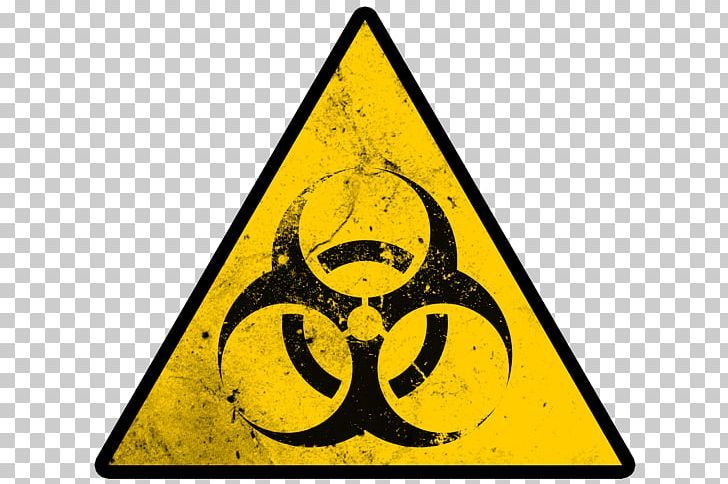
In the realm of safety and communication, hazard signs play a pivotal role in alerting people to potential dangers. One of the most sought-after formats for these signs is the portable network graphics (PNG) format, which offers versatility and easy integration. This article delves into the world of hazard sign PNGs, their importance, applications, and best practices.
Hazard sign PNGs are indispensable in underscoring safety measures and mitigating risks. They often depict universal symbols or specific hazard icons accompanied by text warnings, enabling swift comprehension even across language barriers.
Understanding Hazard Sign PNGs
PNG stands for Portable Network Graphics, a popular choice for digital images due to its support for transparency, wide browser compatibility, and lossless compression. When it comes to hazard signs, PNG's advantages become apparent. It allows sign designers to include transparent backgrounds, vital for uniquely-shaped signs or those requiring custom layouts.


Moreover, hazard sign PNGs can be easily resized without losing quality, ensuring consistent, high-contrast signs that stand out and deliver their message effectively.
Industry-wide Recognizability and Application
Globally recognized hazard symbols, such as those prescribed by the International Organization for Standardization (ISO), are widely used in PNG format. These signs cover a broad spectrum of hazards, including fire, electrical, chemical, and biological risks, making them indispensable in workplaces, public spaces, and even homes.


Hazard sign PNGs can be integrated into safety management systems, digital platforms, and software, furthering their reach and accessibility. They are also commonly used in safety training materials, emergency response guides, and workplace signage.
Best Practices: Design and Display
To ensure hazard sign PNGs effectively grab attention and convey their message, adhering to design principles and display guidelines is crucial. Here are a few best practices:
- Use high-contrast colors - typically red and white - to make the sign distinct and easily noticeable.
- Keep text to a minimum, prioritizing symbols and icons for quick comprehension.
- Maintain consistency in design and placement to build familiarity and instinctive responses.
Furthermore, hazard sign PNGs should be prominently displayed, at eye level, and near any potential hazards. Ensuring their visibility, even in the dark, contributes significantly to their effectiveness.


Beyond the Basics: Interactive and Custom Signs
While standard hazard sign PNGs are widely used, there's an emerging trend in interactive and custom signs. Interactive signs, often incorporating QR codes or augmented reality (AR), offer additional information at a user's fingertips, better preparing them for potential hazards.
Custom hazard sign PNGs, tailored to specific industries or situations, can provide more precise and comprehensive warnings. Pharmaceutical companies, for instance, might utilize PNG signs with specific chemical hazard icons and text, while a manufacturing plant might have signs pinpointing machinery-related risks.
Creating and Sourcing Hazard Sign PNGs
Designing hazard sign PNGs often involves specialized software like Adobe Illustrator or Inkscape. These tools enable users to create globally recognized symbols, add text, and adjust contrast and transparency.




Alternatively, numerous online platforms and libraries offer readily available hazard sign PNGs, such as ISO-Signs, SafetySigns.co.uk, and the downloads available on the OSHA website.
The importance of hazard sign PNGs cannot be overstated in today's safety landscape. They serve as a universal language, promoting hazard awareness and workplace safety. As technology advances, so too does the potential for these signs, paving the way for smarter, more interactive hazard communication.
Related Articles

Understanding Pressure Hazard Signs
Safety in the workplace is paramount, and understanding potential hazards is a crucial aspect of maintaining this safety. One such hazard, often overlooked, is...

Chiking Hazard Warning Signs: Know the Danger
Ckking, an outdoor activity involving walking for extended periods with a heavy pack, is gaining massive popularity. However, it comes with its own set of...

Mechanical Hazard Signs
In the realm of workplace safety, a clear and concise warning system is essential to prevent accidents. Mechanical hazard signs play a pivotal role in this...

Triangle Chiking Hazard Warning Signs
The hiking trail is a maze of earth and sky, with each turn revealing a new landscape that's both challenging and breathtaking. But with nature in full force...

Understanding Crush Hazard Signs: Essential Safety Guidance
Safety signs are ubiquitous in workplaces, public spaces, and even in our homes, playing a crucial role in preventing accidents and hazardous situations. Among...
Triangle Warning Sign: Top Choking Hazard Alerts
The distinctive triangle-shaped warning sign with its bold outline and bold white letters on a vibrant orange or red background grabs the attention of...