Learn to Draw Happy Face Cartoons: Step-by-Step Guide
Want to bring a smile to someone's face? Learn how to draw a simple, yet engaging happy face cartoon! This art form speaks a universal language of joy and positivity, perfect for brightening up any page or canvas. Let's dive into the world of doodles and discover the joy of drawing a happy face cartoon.
Whether you're an aspiring artist, a teacher looking for an engaging activity, or a parent seeking to entertain your kids, drawing a happy face cartoon is an enjoyable and accessible venture. It's not just about drawing; it's about spreading cheer and connecting with others through your creation. So, let's get started!
Understanding the Basics of a Happy Face Cartoon
A happy face cartoon is a stylized representation of a smiley face, typically composed of simple shapes and lines. It's an expression of joy and happiness, universally understood and beloved by all ages. To begin, let's identify the key components of a happy face cartoon.


At its core, a happy face cartoon consists of three simple shapes: a circle for the head, two smaller circles for the eyes, and a rounded line for the smile. By mastering these basic elements, you'll be well on your way to creating captivating happy face cartoons.
The Circle - The Canvas for Expression
The circle is the foundation of your happy face cartoon. It serves as the canvas for the facial features, conveying the character's emotion and personality. The size of the circle can vary, depending on the scale and intensity you wish to express.


For a cheerful, lively happy face, consider using a slightly larger circle. This will create a sense of energy and excitement, capturing the viewer's attention and inviting them to share in the joy.
Eyes - The Windows to the Soul
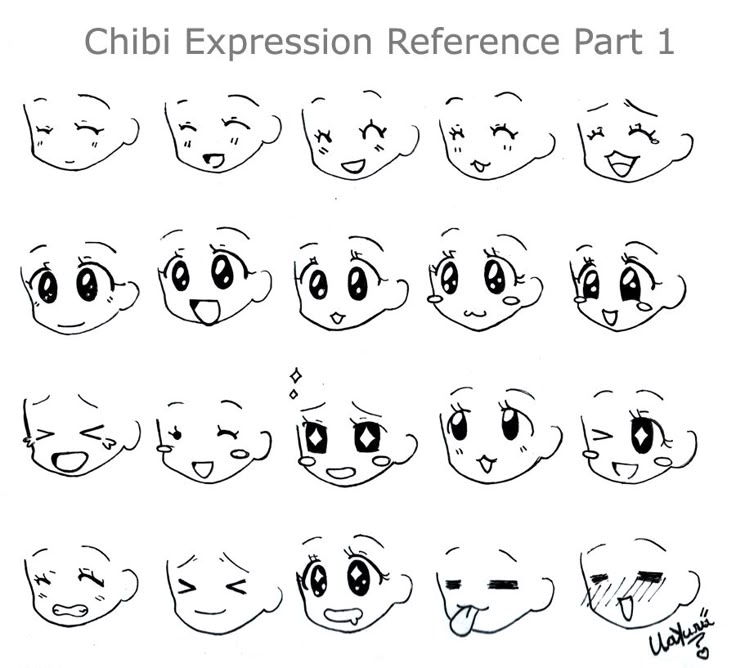
Eyes are the windows to the soul, they say. In a happy face cartoon, they're the windows to the character's emotion and expression. Typically, happy face eyes are represented as two small, simple circles or ovals, tilted upwards to convey a sense of happiness and glee.
To enhance your happy face cartoon's expression, experiment with the size and placement of the eyes. Larger, widely spaced eyes can suggest surprise or excitement, while smaller, closely set eyes might convey a more subdued, contented joy.


Incorporating Details and Accessories
While the basic happy face cartoon consists of just a few simple shapes, incorporating details and accessories can significantly enrich your drawing and make it uniquely your own. Accessories can add a touch of personalization, turning a simple happy face into a distinct character with its own story.
Let's explore some fun and creative accessories you can add to your happy face cartoon!
Hair - A Salisbury Steeple for Personalization
Hairstyles canDefine the unique personality of your happy face cartoon. Experiment with different styles, such as the classic "salisbury steeple," a simple line drawing of hair that's easy to create and customize. You can vary the length, thickness, and style of the hair to create a diverse range of characters.


Popular hair choices for happy face cartoons include curly or straight styles, bobs, bangs, and even crazy or whimsical styles that defy gravity! Let your imagination run wild, and create hairdos that reflect your character's personality.
Clothing and Accessories - Dressing Up Your Characters
Don't let your happy face cartoons go naked! Dress them up in a variety of outfits and accessories to make them truly unique. Clothing can provide insights into your character's interests, personality, and background.
For example, a t-shirt with musical notes could indicate a love for music, while a football jersey suggests a passion for sports. Get creative with accessories like glasses, hats, and jewelry. These details will make your happy face cartoons even more appealing and engaging.
Backgrounds and Surroundings - Setting the Scene
To further enrich your happy face cartoons, consider adding backgrounds and surroundings that complement and enhance their expression. A lively, colorful background can make your happy face cartoons even more cheerful and engaging.
Experiment with different environments, such as:
- A vibrant summer scene, with a blazing sun and flowers in bloom
- A cozy winter setting, complete with snowflakes and a warm fireplace
- A fantastical dreamland, filled with whimsical creatures and magical elements
By setting your happy face cartoons in various engaging backgrounds, you'll create captivating stories and scenes that resonate with viewers.
Expressions and Postures - Going Beyond the Basics
Once you're comfortable with the basic happy face cartoon, challenge yourself to create more nuanced and dynamic expressions. Your character can convey a range of emotions, from simple joy to utter delight, through subtle changes in the mouth, eyes, and body posture.
For example:
- To show excitement, widen the eyes and mouth, and draw an open, welcoming posture.
- To convey contentment, narrow the eyes slightly and curve the mouth into a gentle smile.
Related Articles

Learn to Draw Cute Zebra Cartoons: Step-by-Step Guide
Ever attempted to capture the distinctive black and white stripes of a zebra on paper? Drawing a cartoon zebra might seem like a simple task, but it involves...

"Learn to Draw Christopher Columbus: Step-by-Step guide"
Drawn with meticulous detail, Christopher Columbus, the renowned explorer, comes alive on paper, invoking curiosity about the historic figure and the Age of...

Cranial Nerve Face Drawing: Learn with Easy Step-by-Step Guide
Ever found yourself fascinated by the intricate network of nerves that connect our brains to the rest of our bodies? The human cranial nerve system is a marvel...

Learn to Draw the Male Side Face: Step-by-Step Tutorial
Maintaining harmony between the front and side faces in portraiture presents an intriguing challenge. As artists, capturing the unique contours and expressions...

Learn to Draw a Dalmatian: Step-by-Step Dog Breed Art Tutorial
A Dalmatian dog drawing can be a delightful way to capture the essence of this unique breed, known for their distinct black or brown spots against a white...

Draw Your Own Name Art: A Step-by-Step Guide
Looking for a unique and creative way to celebrate a special occasion or honor a loved one? Consider the artistic and personalized charm of drawing name art, a...